

iPhone 16 Vs OnePlus 11

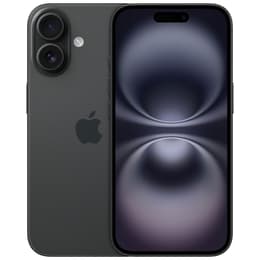
iPhone 16
iPhone 16
Starting at

Refurbished price:549.00

Versus €879.00 new

See options
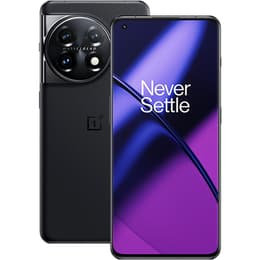
OnePlus 11
OnePlus 11
Starting at

Refurbished price:325.00

Versus €949.00 new

See options

Ratings

The iPhone 16, released in September 2024, and the OnePlus 11, launched globally in February 2023, represent distinct approaches to the modern smartphone experience. While the iPhone 16 operates on Apple's iOS ecosystem, the OnePlus 11 runs on Android, specifically OxygenOS. These devices cater to different user preferences, with the iPhone 16 offering Apple's latest advancements and the OnePlus 11 providing a robust Android flagship experience from a slightly earlier generation.

Scores

Durability

When considering the long-term usability of these devices, their release timelines and software support policies are key factors.

  • Release Timeline: The iPhone 16 was released in September 2024, making it a newer device compared to the OnePlus 11, which launched in February 2023. This difference in release date inherently provides the iPhone 16 with a longer potential lifespan for receiving the latest software and security updates.
  • Software Longevity: Apple typically provides major iOS updates for 5-7 years and security patches for 7-8 years from a device's release. The iPhone 16, launching with iOS 18, is expected to receive updates well into the 2030s. The OnePlus 11, which launched with Android 13, is promised four major Android updates and five years of security updates, extending its support through Android 17 and security patches until around 2028.
  • Physical Durability: The iPhone 16 features a Ceramic Shield front cover and an IP68 rating for water and dust resistance, indicating a high level of protection against environmental elements. The OnePlus 11 utilizes Corning Gorilla Glass Victus on the front and Gorilla Glass 5 on the back, with an IP64 rating, offering splash and dust resistance but less comprehensive water protection.

Year of Release

2024

2023

Foldable

No

No

Performance

Both devices are equipped with powerful processors designed for smooth operation, though they belong to different generations of mobile chip technology.

  • Processing Power: The iPhone 16 is powered by Apple's A18 chip, which is engineered to handle demanding applications, complex multitasking, and advanced AI features with efficiency. The OnePlus 11 features the Snapdragon 8 Gen 2 processor, known for its strong performance in gaming and everyday tasks, providing a responsive user experience.
  • Multitasking and Responsiveness: The iPhone 16 comes with 8GB of RAM, contributing to smooth app switching and efficient background process management. The OnePlus 11 offers configurations with up to 16GB of RAM, which can be beneficial for users who frequently run many applications simultaneously or engage in intensive mobile gaming.
  • Battery Behavior: The iPhone 16 includes a 3,561mAh battery, designed for improved battery life through a combination of a larger capacity and efficient hardware. The OnePlus 11 houses a larger 5,000 mAh battery, which users often report as providing excellent endurance, capable of lasting through a full day of heavy use.

Memory (GB)

8 GB

16 GB

Screen quality

The visual experience on both smartphones is a key aspect, with each offering distinct display technologies and characteristics.

  • Display Technology and Clarity: The iPhone 16 features a 6.1-inch Super Retina XDR OLED display, known for its deep blacks, vibrant colors, and high contrast. The OnePlus 11 boasts a larger 6.7-inch LTPO3 AMOLED display with a QHD+ resolution (1440 x 3216 pixels), offering sharp visuals and rich color reproduction.
  • Brightness and Outdoor Visibility: The iPhone 16's display offers a typical maximum brightness of 1000 nits, with peak HDR brightness reaching 1600 nits and outdoor peak brightness up to 2000 nits, ensuring good visibility in various lighting conditions. The OnePlus 11's display also provides ample brightness for outdoor use, contributing to a comfortable viewing experience.
  • Smoothness and Responsiveness: The iPhone 16 features a 60Hz refresh rate, providing a consistent visual experience. The OnePlus 11, on the other hand, offers an adaptive 120Hz refresh rate, which allows for smoother scrolling and more fluid animations, adjusting dynamically to conserve power.

Resolution

1179 x 2556

1440 x 3216

Audiovisual

Both devices offer advanced camera systems, though they approach photography and videography with different strengths and features.

  • Rear Camera Systems: The iPhone 16 is equipped with a dual-camera system on the back, featuring a 48MP main camera and a 12MP ultrawide camera, arranged in a vertical layout. The OnePlus 11 features a triple-camera setup co-developed with Hasselblad, including a 50MP main sensor, a 48MP ultrawide, and a 32MP telephoto lens with 2x optical zoom.
  • Photography Performance: The iPhone 16 benefits from Apple's computational photography, offering strong performance in various lighting conditions, including improved low-light capabilities and support for spatial video. The OnePlus 11's Hasselblad tuning aims for natural color science, and its main camera generally produces detailed images, though the ultrawide and telephoto lenses may show some variations in detail and color balance.
  • Video Capabilities and Audio: The iPhone 16 supports high-quality video recording, with features like cinematic mode and improved stabilization. The OnePlus 11 can record video at up to 8K resolution at 24fps and 4K at 30/60fps, with gyro-EIS for stabilization. Both devices offer capable microphone quality for calls and recordings, and their speakers provide a satisfactory media consumption experience.

Miscellaneous

Beyond the core features, several practical elements differentiate the user experience between these two smartphones.

  • Connectivity and Ports: The iPhone 16 supports Wi-Fi 6E and 5G connectivity, along with a USB-C port for charging and data transfer. The OnePlus 11 also offers 5G and Wi-Fi 6E (or similar advanced Wi-Fi standards), and features a USB-C port.
  • Physical Design and Handling: The iPhone 16 maintains a familiar design with an aluminum frame and a Ceramic Shield front. It also introduces an Action Button and a new Camera Control button for quick access to functions. The OnePlus 11 features a glass and aluminum construction, known for its comfortable in-hand feel and the distinctive Alert Slider for quick sound profile changes.
  • Biometric Security: The iPhone 16 relies on Face ID for secure facial recognition. The OnePlus 11 uses an in-display optical fingerprint sensor for biometric authentication.

Weight

170 g

205 g

Screen size (in)

6.1

6.7

Network

5G

5G

SIM card

eSIM

Physical SIM

Carrier compatibility

Unlocked

Unlocked

The iPhone 16 and OnePlus 11 cater to users with differing priorities and ecosystem preferences. The iPhone 16, as a more recent release, integrates Apple's latest hardware and software innovations, including the A18 chip and Apple Intelligence features, appealing to users deeply embedded in the Apple ecosystem or those seeking the newest advancements in mobile technology. Its extended software support and robust durability features are common praise points among users.

The OnePlus 11, while an earlier release, is frequently praised for its strong performance, large and vibrant 120Hz AMOLED display, and exceptional battery life coupled with very fast wired charging. Users often highlight its value proposition and the smooth OxygenOS experience. However, some users note its less comprehensive water resistance compared to some flagships and the absence of wireless charging as potential drawbacks. The camera system, while capable, is sometimes seen as not reaching the top tier of smartphone photography, though it delivers good results for most everyday scenarios.

Users prioritizing the absolute latest in mobile processing, a highly integrated ecosystem, and long-term software support will find the iPhone 16 well-suited to their needs. Those who value a larger, high-refresh-rate display, extended battery life with rapid charging, and the flexibility of the Android operating system may lean toward the OnePlus 11. Both devices offer a quality-assured refurbished option, providing an eco-friendly alternative for consumers looking to make a sustainable choice while still enjoying premium smartphone features.


See all articles

Our recent comparisons