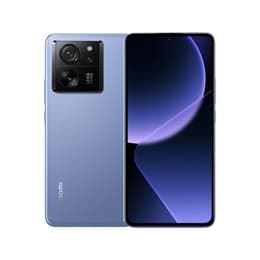
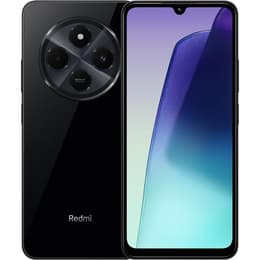


Xiaomi 13T Vs Xiaomi Redmi 14C

Xiaomi 13T
Xiaomi 13T
Starting at

Refurbished price:183.00

Versus €630.00 new

See options
Xiaomi Redmi 14C
Xiaomi Redmi 14C
Starting at

Refurbished price:128.20

Versus €189.00 new

See options

Ratings

The Xiaomi 13T, released in September 2023, and the Xiaomi Redmi 14C, launched in August 2024, represent distinct offerings within Xiaomi's smartphone lineup. While the 13T aims for a more advanced user experience with a focus on camera capabilities and display quality, the Redmi 14C targets users seeking a large screen and reliable performance for everyday tasks. Both devices operate on Android, with the 13T initially running Android 13 and the 14C launching with Android 14 and HyperOS.

Scores

Durability

When considering the practical lifespan of these devices, several factors come into play, including their release timelines, software support, and physical resilience.

  • Release Timeline: The Xiaomi 13T, launched in September 2023, benefits from an earlier release, meaning it has already received some software updates. The Redmi 14C, released in August 2024, is a newer device, offering a more recent starting point for its software lifecycle.
  • Software Longevity: The Xiaomi 13T is expected to receive four generations of Android OS updates and five years of security patches, aligning it with extended support policies [9, 22]. The Redmi 14C, being newer and launching with Android 14, will likely receive a similar or slightly longer duration of software support from its release date.
  • Physical Durability: The Xiaomi 13T features an IP68 rating for dust and water resistance and Corning Gorilla Glass 5 protection for its display, offering a higher degree of protection against environmental elements [3, 20]. The Redmi 14C, while featuring a glass front and some variants with a glass or eco-leather back, does not typically carry an official IP rating, though some 5G variants mention IP52 for splash and dust resistance [1, 8, 16, 21].

Year of Release

2023

2024

Compatible with latest Update

Yes

Yes

OS

Android

Android

Foldable

No

No

Performance

The performance capabilities of these two smartphones cater to different user demands, primarily influenced by their internal components and software optimization.

  • Processing Power: The Xiaomi 13T is equipped with a more capable processor, allowing it to handle demanding applications, graphic-intensive games, and extensive multitasking with greater fluidity and responsiveness [2, 26]. The Redmi 14C's processor is designed for efficient everyday use, providing smooth performance for common tasks like browsing, social media, and light gaming, though it may show occasional stutters with more intensive applications [10, 19, 27].
  • Storage and Responsiveness: The Xiaomi 13T utilizes UFS 3.1 storage, contributing to faster app loading times and overall system responsiveness [2, 26]. The Redmi 14C typically comes with eMMC 5.1 storage, which is generally slower, potentially leading to slightly longer loading times for apps and files [12, 19]. Both offer various RAM configurations, with the 13T generally starting at higher RAM options, which benefits heavy multitaskers.
  • Battery Behavior: Both devices feature large battery capacities, with the Xiaomi 13T having a 5000 mAh battery and the Redmi 14C a 5160 mAh battery [4, 20, 25]. The 13T supports 67W wired fast charging, allowing for a full charge in a shorter period [2, 4]. The Redmi 14C supports 18W fast charging, which provides a slower charging experience [1, 5]. User reports for the 13T indicate generally good battery life, though heavy users might need a midday top-up [30]. The Redmi 14C is often praised for its long battery life, especially for moderate usage [19, 23, 27].

Memory (GB)

8 GB

4 GB

Screen quality

The visual experience offered by each device's display differs significantly, impacting clarity, color reproduction, and outdoor visibility.

  • Display Technology and Resolution: The Xiaomi 13T features a 6.67-inch AMOLED display with a resolution of 1220 x 2712 pixels, providing sharp images, deep blacks, and vibrant colors [2, 29]. The Redmi 14C has a larger 6.88-inch IPS LCD display with a resolution of 720 x 1640 pixels, resulting in a less sharp image due to a lower pixel density [1, 5, 8, 18].
  • Refresh Rate and Brightness: The 13T offers a 144Hz refresh rate for exceptionally smooth scrolling and animations, along with high peak brightness levels suitable for outdoor use [2, 3, 29]. The Redmi 14C also features a smooth 120Hz refresh rate, which is notable for its segment, but its brightness levels are generally lower, making it less ideal for bright outdoor conditions [5, 8, 18].
  • Viewing Experience: The 13T's AMOLED panel with Dolby Vision and HDR10+ support provides a premium viewing experience for multimedia content [2, 3]. The Redmi 14C's larger screen size can be immersive for content consumption, but the lower resolution and IPS LCD technology mean colors and contrast may not be as impactful as on the 13T [10, 15, 27].

Resolution

1220 x 2712

720 x 1640

Screen type

AMOLED

IPS LCD

Audiovisual

The camera systems on both smartphones are designed to capture different levels of detail and offer varying photographic capabilities.

  • Rear Camera System: The Xiaomi 13T boasts a versatile triple camera setup, including a 50MP main sensor with optical image stabilization (OIS), a 50MP telephoto lens with 2x optical zoom, and a 12MP ultrawide lens, often featuring Leica tuning for enhanced image processing [3, 7, 28]. This configuration allows for detailed shots across various focal lengths and improved low-light performance. The Redmi 14C features a dual-camera system with a 50MP main sensor and a 2MP auxiliary or depth lens, providing decent photos in good lighting conditions but lacking the versatility and detail of the 13T's setup, especially in low light or for zoomed shots [1, 8, 19, 23].
  • Video Recording and Front Camera: The 13T supports 4K video recording at 30 frames per second with gyro-EIS for stable footage, and it has a 20MP front-facing camera for selfies [3, 4, 28]. The Redmi 14C records video at 1080p and includes a 13MP front camera, suitable for video calls and basic selfies [1, 8, 25].
  • User Experience: Users generally praise the 13T's camera for its detail and color reproduction, though some note inconsistencies with the stock app [24, 30]. The Redmi 14C's camera performs well in daylight, but low-light performance and the absence of an ultrawide lens are noted limitations [19, 23].

Main camera

50 megapixels

50 megapixels

Front camera

20 megapixels

13 megapixels

Miscellaneous

Beyond core specifications, several practical features and design elements differentiate these two devices, influencing daily usability.

  • Connectivity and Ports: The Xiaomi 13T supports 5G connectivity and newer Wi-Fi standards, offering faster network speeds [2, 4]. It features a USB-C port and includes an IR blaster for controlling home electronics [6]. The Redmi 14C supports 4G connectivity, has a USB-C port, and notably retains a 3.5mm headphone jack, which can be a convenience for users with wired audio accessories [8, 16, 27]. Both devices offer NFC for contactless payments in supported regions [3, 12].
  • Biometric Security: The 13T features an in-display optical fingerprint sensor [2]. The Redmi 14C typically uses a side-mounted fingerprint sensor, often integrated into the power button, and also supports face unlock [5, 8].
  • Design and Handling: The Xiaomi 13T has dimensions of 162.2 x 75.7 x 8.5 mm and weighs around 193-197 grams, offering a balanced feel in hand [2, 6]. It comes in glass or eco-leather back options [26]. The Redmi 14C is slightly larger and heavier at 171.9 x 77.8 x 8.2 mm and 204-211 grams, which might make one-handed use more challenging for some users [1, 8, 18]. Its design often features a premium-looking finish, with some variants offering a vegan leather back [15, 16].

Weight

193 g

207 g

Screen size (in)

6.67

6.88

Network

5G

4G

SIM card

Dual Physical SIM

Dual Physical SIM

Carrier compatibility

Unlocked

Unlocked

Connector

USB-C

USB-C

User feedback for the Xiaomi 13T frequently highlights its excellent AMOLED display, robust performance for demanding tasks, and capable camera system, particularly for daytime photography and its optical zoom capabilities [24, 26, 29]. Some users have noted that while battery life is generally good, heavy usage might require more frequent charging [30]. The software support policy, promising four OS updates and five years of security patches, is also a significant advantage [9, 22].

For the Xiaomi Redmi 14C, common praise centers on its large and smooth 120Hz display, impressive battery life for moderate use, and a design that feels more premium than its segment might suggest [10, 15, 16, 19, 23, 27]. Criticisms often point to the lower display resolution, which can result in less sharp visuals, and the camera's performance in low-light conditions or the absence of an ultrawide lens [18, 19, 23]. Performance for very demanding applications can also be a limitation [10, 19].

Users prioritizing a high-resolution, vibrant display, advanced camera features with optical zoom, and strong performance for gaming and intensive applications will find the Xiaomi 13T well-suited to their needs. Its extended software support also appeals to those seeking longer device longevity. Conversely, users who value a large screen for media consumption, extended battery life for everyday tasks, and a smooth user interface for general smartphone activities may lean toward the Xiaomi Redmi 14C. It is a practical choice for those who do not require top-tier camera versatility or the highest processing power.

Both devices offer compelling features for their respective audiences, and considering quality-assured refurbished options for either model can provide an eco-friendly alternative for consumers looking to make informed and sustainable choices.


See all articles

Our recent comparisons


