

Compare models

Galaxy S25 Edge Vs Xiaomi Redmi Note 13 Pro+

  • 1-year minimum warranty
  • Free delivery on all orders
  • Free 30-day returns
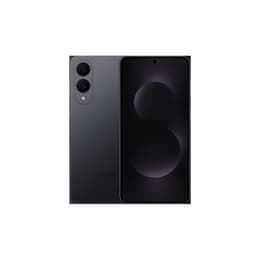
Galaxy S25 Edge
Starting at

Refurbished price:€488.00

Versus €1,275.21 new

See options
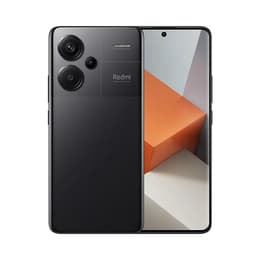
Xiaomi Redmi Note 13 Pro+
Starting at

Refurbished price:€258.00

Versus €449.00 new

See options

Differences at a glance

The Samsung Galaxy S25 Edge (2025) and the Xiaomi Redmi Note 13 Pro+ (2023) are distinct smartphones representing different tiers and design approaches within the mobile market. While the Galaxy S25 Edge prioritizes an ultra-thin profile and high-end processing power, the Xiaomi Redmi Note 13 Pro+ focuses on high-resolution photography and rapid charging capabilities. Both devices run on Android-based operating systems tailored with their respective manufacturer interfaces. This comparison outlines their practical differences to help users determine which model aligns with their daily requirements.

Available Models

Colour

Storage

Scores

Durability

When evaluating structural longevity and software support, both devices offer robust feature sets tailored to different release timelines and support windows.

  • Software longevity and updates: The Galaxy S25 Edge benefits from a more recent release year, ensuring extended software and security update support compared to the earlier Xiaomi model. Both run current operating systems capable of handling modern applications smoothly.
  • Build durability and materials: The Galaxy S25 Edge incorporates a titanium frame paired with reinforced glass for drop resistance, while the Xiaomi Redmi Note 13 Pro+ utilizes curved glass construction protected by durable front panel shielding.
  • Expected practical lifespan: Users can expect several years of reliable daily operation from both phones, though the newer processor architecture in the Samsung device provides extra headroom for future software demands.

Year of Release

2025

2023

Compatible with latest Update

Yes

Yes

OS

Android

Android

Foldable

No

No

Performance

Day-to-day processing and energy management vary significantly between these two choices, influencing how they handle demanding workloads and multi-application routines.

  • System responsiveness and multitasking: Both devices handle standard daily tasks, web browsing, and heavy multi-application switching fluidly, supported by ample memory configurations that prevent stuttering during regular use.
  • Battery behavior and energy use: The Xiaomi model features a larger physical battery capacity paired with ultra-fast charging technology, whereas the slimmer profile of the Galaxy S25 Edge houses a smaller battery that requires more mindful power management during intensive usage days.
  • Storage capacity: Both smartphones are available in generous storage tiers, allowing users to store large media libraries and documents without relying heavily on cloud storage solutions.

Screen quality

Visual output and display engineering are central to the user experience, with both manufacturers implementing vibrant panel technologies.

  • Display technology and clarity: Both models feature expansive OLED screens with high resolutions, delivering sharp text reproduction, deep contrast levels, and vivid color representation for media consumption.
  • Outdoor visibility: High peak brightness capabilities on both screens ensure that menus, maps, and text remain legible under direct sunlight or bright ambient lighting conditions.
  • Smoothness and refresh rate: High refresh rate support ensures fluid scrolling through web pages and smooth animations across user interface navigation on both handsets.

Resolution

1440 x 3120

1220 x 2712

Audiovisual

Photography and media recording configurations offer distinct advantages depending on whether the user prioritizes ultra-high megapixel counts or refined everyday sensor performance.

  • Main camera versatility: The Xiaomi Redmi Note 13 Pro+ features a very high-resolution main sensor designed to capture fine details in well-lit environments, while the Galaxy S25 Edge utilizes a refined dual-sensor setup focused on balanced color accuracy and reliable low-light processing.
  • Video recording: Both devices support stable high-definition video capture with optical image stabilization to minimize hand jitter during recording.
  • Audio and media consumption: Built-in stereo speakers deliver clear audio output for hands-free calls and casual video viewing, though neither includes a traditional legacy headphone jack.

Miscellaneous

Practical daily usability elements, including connectivity standards and physical handling characteristics, shape the overall ergonomic experience.

  • Handling and ergonomics: The Galaxy S25 Edge stands out for its remarkably slim and lightweight chassis, making it comfortable for single-handed use and pocket storage, while the Xiaomi Redmi Note 13 Pro+ offers a slightly thicker, curved profile with a reassuring weight.
  • Connectivity and sensors: Both models include modern 5G connectivity, secure biometric face recognition, and under-display fingerprint sensors for quick unlocking.
  • Sustainable choices: Opting for a quality-assured refurbished option of either model provides an eco-friendly alternative that reduces electronic waste while delivering fully tested hardware performance.

Weight

163 g

204 g

Screen size (in)

6.7

6.67

Network

5G

5G

SIM card

Physical SIM + eSIM

Dual Physical SIM

Carrier compatibility

Unlocked

Unlocked

What the community thinks

Choosing between the Samsung Galaxy S25 Edge and the Xiaomi Redmi Note 13 Pro+ depends heavily on individual daily priorities and ergonomic preferences. Users prioritizing an exceptionally slim form factor, premium frame materials, and a more recent software support window will find the Galaxy S25 Edge well-suited to their needs. Conversely, users prioritizing rapid battery replenishment technologies and high-resolution photographic detail may lean toward the Xiaomi Redmi Note 13 Pro+. Factual differences in battery capacity, physical dimensions, and camera design mean neither device is universally superior, but rather optimized for different user habits. Exploring a quality-assured refurbished option for either smartphone serves as a sustainable choice that extends device lifecycles while maintaining high functional standards.









