
iPhone 15 Vs iPhone 16

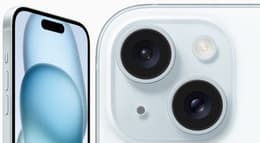
iPhone 15
iPhone 15
Starting at
€438.00
€879.00 new
See options
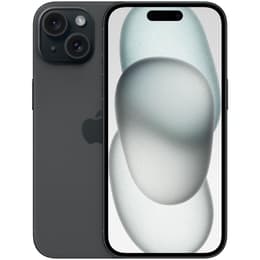
iPhone 16
iPhone 16
Starting at
€569.00
€879.00 new
See options

Ratings

The iPhone 15, released in September 2023, and the iPhone 16, which launched in September 2024, represent consecutive generations of Apple's standard smartphone line. While both devices run on Apple's iOS ecosystem and maintain a consistent design philosophy, the iPhone 16 introduces a newer processor, updated camera capabilities, and enhanced interaction features, building upon its predecessor's foundation. The iPhone 15 marked a significant step with its Dynamic Island and USB-C port, features that the iPhone 16 refines and expands upon.

Scores

Durability

Both the iPhone 15 and iPhone 16 offer solid long-term usability, with the newer model providing a slight edge in software longevity.

  • Release Timeline and OS Support: The iPhone 15 was released in September 2023, while the iPhone 16 launched in September 2024. Apple guarantees a minimum of five years of software support for the iPhone 15 series, and typically extends this support beyond the stated minimum, potentially up to six to eight years of updates. The iPhone 16, being a year newer, is expected to receive at least one additional year of major iOS updates and security patches, extending its functional lifespan further.
  • Repairability: The iPhone 15 series initially received a repairability score of 4 out of 10 from iFixit due to parts pairing, but this was later updated to 7 out of 10 with improved repair assistant features. The iPhone 16 series also received a repairability score of 7 out of 10 from iFixit at launch, indicating Apple's continued focus on making devices more accessible for repair. Both models feature a removable back glass, simplifying certain repairs.
  • Expected Practical Lifespan: Given Apple's consistent software support, both devices are built for several years of reliable performance. The iPhone 16, with its newer internal components and extended software support window, offers a marginally longer practical lifespan before performance or security updates become a concern for most users.

Year of Release

2023

2024

Compatible with latest Update

Yes

Yes

Foldable

No

No

Performance

The iPhone 16 brings notable advancements in processing power and memory, particularly benefiting from Apple's latest chip architecture and increased RAM.

  • Processor Capabilities and System Responsiveness: The iPhone 15 is powered by the A16 Bionic chip, offering robust performance for everyday tasks, demanding applications, and graphics-intensive gaming. The iPhone 16 features the next-generation A18 Bionic chip. This newer processor delivers improved CPU and GPU performance, and critically, a significantly enhanced Neural Engine, making the iPhone 16 more adept at handling on-device artificial intelligence tasks and overall system responsiveness, particularly with the introduction of Apple Intelligence features.
  • RAM Implications for Multitasking: The iPhone 15 comes with 6GB of RAM. The iPhone 16 is equipped with 8GB of RAM across all models. This increased memory in the iPhone 16 allows for smoother multitasking, more efficient handling of numerous open applications, and is a key factor for fully utilizing the advanced AI capabilities and complex computational tasks introduced with Apple Intelligence.
  • Storage Options: Both iPhone 15 and iPhone 16 are available with storage options including 128GB, 256GB, and 512GB, providing ample space for applications, media, and documents for a wide range of users.

Memory

6 GB

8 GB

Screen quality

While both iPhones offer vibrant display technology, the core visual experience remains largely consistent between generations for the standard models.

  • Display Technology and Clarity: Both the iPhone 15 and iPhone 16 feature a 6.1-inch Super Retina XDR OLED display with a resolution of 2556x1179 pixels, resulting in a sharp pixel density of approximately 460 pixels per inch (PPI). This OLED technology delivers deep blacks, high contrast, and vibrant colors, providing an excellent viewing experience for photos, videos, and text. The Dynamic Island, a versatile notification and activity hub, is present on both models.
  • Brightness Levels and Outdoor Use: Both devices offer a peak outdoor brightness of up to 2,000 nits, ensuring comfortable visibility even in bright sunlight. Typical brightness levels also remain consistent, providing a clear and legible display in various indoor and outdoor lighting conditions.
  • Refresh Rate: Both the standard iPhone 15 and iPhone 16 models maintain a 60Hz refresh rate. While adequate for most everyday interactions, it does not offer the smoother scrolling and animation experience found in higher refresh rate displays. Users prioritizing this feature would typically look towards the Pro models.

Resolution

1179 x 2556

1179 x 2556

Screen type

Super Retina XDR OLED

Super Retina XDR OLED

Audiovisual

The iPhone 16 introduces notable enhancements to its camera system, particularly for wide-angle photography and video features, building upon the iPhone 15's already capable setup.

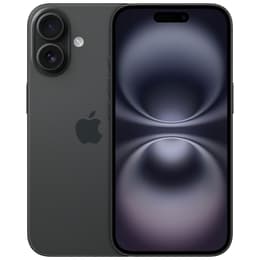
  • Main Camera System: The iPhone 15 features an advanced dual-camera system with a 48MP main sensor (f/1.6 aperture) capable of 2x telephoto zoom via its quad-pixel sensor, and a 12MP Ultra Wide camera (f/2.4 aperture). The iPhone 16 retains a high-resolution main sensor, but features a new vertically aligned camera layout on the standard models, which supports enhanced spatial video capture, a feature designed for immersive viewing experiences. The iPhone 16's Ultra Wide camera is also improved, gaining autofocus and macro mode capabilities.
  • Low-Light and Everyday Photography: Both phones excel in everyday photography, producing detailed images with accurate colors and good dynamic range. The iPhone 16's updated main sensor and improved Ultra Wide lens are expected to offer further refinements in low-light performance and overall image processing, benefiting from the newer A18 chip.
  • Video Recording Quality and Features: Both models support 4K video recording up to 60 frames per second (fps) and offer Cinematic mode for professional-looking depth effects. The iPhone 16's new vertical camera arrangement specifically enhances its spatial video capture capabilities, which is a forward-looking feature for emerging augmented and virtual reality platforms.

Main camera

48 megapixels

48 megapixels

Front camera

12 megapixels

12 megapixels

Miscellaneous

The iPhone 16 introduces several new interaction and connectivity features, making it a more versatile device in practical use.

  • Connectivity Options: Both the iPhone 15 and iPhone 16 support 5G cellular connectivity, ensuring fast mobile data speeds. For local wireless, the iPhone 15 uses Wi-Fi 6 and Bluetooth 5.3. The iPhone 16 upgrades to Wi-Fi 7, offering faster and more reliable wireless internet connections, alongside continued Bluetooth 5.3 support. Both devices use the USB-C port for charging and data transfer, though the base iPhone 15's USB-C port operates at USB 2.0 speeds, while the iPhone 16 is expected to offer improved data transfer speeds.
  • New Interaction Buttons: The iPhone 15 features the traditional mute switch. The iPhone 16 notably introduces the Action Button, previously exclusive to Pro models, allowing for customizable shortcuts. Additionally, all iPhone 16 models feature a new Capture Button, a dedicated physical button designed for easier photo and video capture.
  • Weight, Dimensions, and Build: The iPhone 15 has an aluminum design with a Ceramic Shield front and color-infused glass back, weighing 171 grams. The iPhone 16 is expected to maintain similar dimensions and build materials for the standard model, ensuring a familiar feel in hand. Both devices offer IP68 water and dust resistance for durability against everyday exposure.

Weight

171 g

170 g

Screen size (in)

6.1

6.1

Network

5G

5G

SIM card

Physical SIM + eSIM

eSIM

Carrier compatibility

Unlocked

Unlocked

Connector

USB-C (USB 2)

USB-C (USB 2)

When considering the iPhone 15 versus the iPhone 16, the choice largely depends on a user's priorities regarding advanced features and long-term relevance. Users of the iPhone 15 generally praise its strong main camera, the integration of Dynamic Island, and its overall smooth iOS experience, making it a solid choice for those upgrading from older generations. Common criticisms for the iPhone 15 often revolve around its 60Hz display and the absence of the Action Button, which were previously exclusive to Pro models.

The iPhone 16 builds on this with significant generational improvements. Users express excitement for its more powerful A18 Bionic chip, the expanded 8GB of RAM crucial for Apple Intelligence features, and the enhanced camera capabilities, particularly the improved Ultra Wide lens and the new Capture Button. While both offer similar core design and display quality for the standard models, the iPhone 16's dedicated hardware buttons and AI-centric processing position it as a more future-ready device.

For students or professionals who prioritize the latest performance, advanced AI capabilities, and maximum software longevity, the iPhone 16 is likely the more suitable option, providing a year's head start in updates and robust hardware for upcoming features. Content creators or photography enthusiasts who value versatility in imaging will appreciate the iPhone 16's improved camera system and new Capture Button. However, if you are seeking excellent everyday performance, a great camera, and a reliable iOS experience without needing the absolute latest innovations, the iPhone 15 remains a highly capable device. Opting for a quality-assured refurbished iPhone 15 can offer a more sustainable choice, providing premium technology while minimizing environmental impact. Ultimately, both devices represent excellent choices within the Apple ecosystem, catering to slightly different needs and priorities.