

iPhone 13 mini Vs iPhone 16

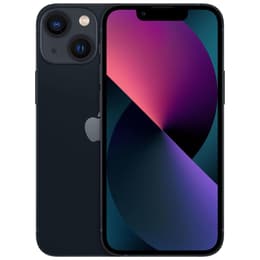
iPhone 13 mini
iPhone 13 mini
Starting at

Refurbished price:220.00

Versus €829.00 new

See options
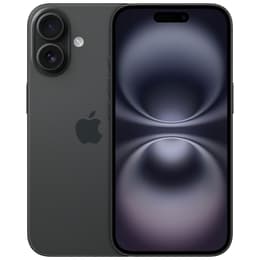
iPhone 16
iPhone 16
Starting at

Refurbished price:548.00

Versus €879.00 new

See options

Ratings

The iPhone 13 Mini, released in September 2021, offers a compact form factor, while the iPhone 16, anticipated in September 2026, represents a newer generation with expected advancements across various aspects. The primary differentiators between these two Apple smartphones lie in their physical size, processing power, and camera capabilities, reflecting five years of technological evolution. Both devices operate on Apple's iOS platform, ensuring a consistent software experience, though the iPhone 16 will launch with a more recent version of the operating system.

Scores

Durability

Comparing the longevity of the iPhone 13 Mini and the anticipated iPhone 16 involves considering their release timelines and expected software support.

  • Release Timeline: The iPhone 13 Mini was released in September 2021, making it a device from an earlier generation. The iPhone 16 is expected to be released in September 2026, positioning it as a much newer model.
  • Software Longevity: The iPhone 13 Mini launched with iOS 15 and is expected to receive software updates for several more years, typically around 5-6 years from its release. The iPhone 16, launching with iOS 18, will benefit from a significantly longer period of guaranteed software support, extending its practical lifespan for users who prioritize the latest features and security updates.
  • Repairability: The iPhone 13 Mini has a relatively low repairability score, rated at 4.0 out of 10, due to the use of adhesive for the back cover and battery, and the need to disassemble several components for screen replacement. Information regarding the iPhone 16's repairability is not yet definitive, but Apple has shown a trend towards improving repair access in more recent models.

Year of Release

2021

2024

Compatible with latest Update

Yes

Yes

Foldable

No

No

Performance

The performance capabilities of the iPhone 13 Mini and the anticipated iPhone 16 show a notable generational gap, impacting user experience in demanding tasks.

  • Processing Power: The iPhone 13 Mini is powered by a capable processor that handles everyday applications and multitasking smoothly. The iPhone 16 is expected to feature a significantly more advanced processor, designed for enhanced performance and efficiency, particularly in handling complex applications, advanced gaming, and new AI-driven features.
  • System Responsiveness: While the iPhone 13 Mini offers a responsive user experience for its generation, the iPhone 16 is anticipated to provide a noticeably faster and smoother overall system responsiveness, with quicker app loading times and more fluid transitions, especially under heavy workloads.
  • Multitasking and Storage: The iPhone 13 Mini offers various storage options suitable for most users. The iPhone 16 is expected to offer increased base storage and potentially more RAM, which would further enhance its ability to manage numerous applications simultaneously and handle larger files and media more efficiently.

Memory (GB)

4 GB

8 GB

Screen quality

The display experience on the iPhone 13 Mini and the expected iPhone 16 presents differences primarily in size, brightness, and potential refresh rate advancements.

  • Display Technology and Size: The iPhone 13 Mini features a 5.4-inch Super Retina XDR OLED display, known for its deep blacks and vibrant colors, offering a compact viewing experience. The standard iPhone 16 is expected to retain a 6.1-inch OLED display, providing a larger screen area, while the Pro models are rumored to feature even larger displays.
  • Brightness and Clarity: Both devices offer high resolution for clear visuals. The iPhone 13 Mini provides up to 800 nits typical brightness and 1200 nits peak for HDR content. The iPhone 16 is anticipated to feature an even brighter display with improved power efficiency, enhancing outdoor visibility and HDR content consumption.
  • Refresh Rate: The iPhone 13 Mini has a standard 60Hz refresh rate. While not confirmed for the base model, the iPhone 16 could potentially introduce a higher refresh rate, which would result in smoother scrolling and more fluid animations, offering a more refined visual experience.

Resolution

1080 x 2340

1179 x 2556

Screen type

Super Retina XDR OLED

Super Retina XDR OLED

Audiovisual

The camera systems of the iPhone 13 Mini and the anticipated iPhone 16 showcase significant advancements in imaging technology over several generations.

  • Main Camera Capabilities: The iPhone 13 Mini features a dual 12-megapixel camera system, including a wide and an ultra-wide lens, capable of capturing detailed photos and 4K video at 60 frames per second. The iPhone 16 is expected to come with a 48-megapixel main camera, offering enhanced detail and improved low-light performance, alongside an upgraded 12-megapixel ultrawide camera with a wider aperture for better light gathering.
  • Photography Features: The iPhone 13 Mini includes features like Cinematic mode, Photographic Styles, Night mode, and Deep Fusion. The iPhone 16 is anticipated to introduce new computational photography capabilities, potentially including macro photography for the standard models for the first time, and a new Capture Button designed to offer more intuitive camera control.
  • Video Recording and Audio: Both devices offer high-quality video recording. The iPhone 16 is expected to further refine video capabilities with potential improvements in dynamic range and stabilization. While specific microphone and speaker details for the iPhone 16 are not fully known, newer generations typically offer improved audio capture and playback for media consumption and calls.

Main camera

12 megapixels

48 megapixels

Front camera

12 megapixels

12 megapixels

Miscellaneous

Beyond core features, several practical elements differentiate the iPhone 13 Mini from the expected iPhone 16, influencing daily usability.

  • Connectivity and Ports: The iPhone 13 Mini supports 5G and Wi-Fi 6, and uses the Lightning port for charging and data transfer. The iPhone 16 is expected to feature more advanced wireless connectivity, such as Wi-Fi 6E or Wi-Fi 7, and will transition to a USB-C port, offering broader compatibility with accessories and potentially faster data transfer speeds for Pro models.
  • Physical Design and Handling: The iPhone 13 Mini is notably compact and lightweight, measuring 131.5 x 64.2 x 7.65 mm and weighing 141 grams, making it ideal for one-handed use. The standard iPhone 16 is expected to be larger and heavier, with dimensions similar to previous standard iPhone models, offering a more expansive screen but requiring a different handling approach.
  • User Interaction Features: The iPhone 13 Mini relies on traditional buttons and gestures. The iPhone 16 is anticipated to incorporate an Action Button, previously exclusive to Pro models, offering customizable shortcuts, and a new Camera Control button for enhanced photography interaction.

Weight

140 g

170 g

Screen size (in)

5.4

6.1

Network

5G

5G

SIM card

Physical SIM + eSIM

eSIM

Carrier compatibility

Unlocked

Unlocked

Connector

Lightning

USB-C (USB 2)

Users often praise the iPhone 13 Mini for its unique compact size, making it comfortable for one-handed use and easy to carry. Its performance remains robust for everyday tasks, and its camera system delivers quality photos and videos. However, some users note its smaller battery capacity requires more frequent charging for heavy use, and its 60Hz display is less fluid compared to newer models. The iPhone 16, on the other hand, is anticipated to be lauded for its expected significant performance upgrades, improved camera capabilities, and longer software support, aligning with modern smartphone expectations. Potential criticisms might revolve around its larger size, which departs from the compact design philosophy of the Mini series.

Users prioritizing a highly portable device that fits easily into smaller pockets and is comfortable for one-handed operation may find the iPhone 13 Mini well-suited to their needs. Conversely, users who prioritize the latest technological advancements, including enhanced processing power for demanding applications, superior camera performance, a larger display, and extended software longevity, will likely lean towards the anticipated iPhone 16. Those seeking an eco-friendly alternative can consider quality-assured refurbished options for both models, offering a sustainable choice without compromising on functionality.

See all articles

Our recent comparisons