
iPhone 14 Vs iPhone 16

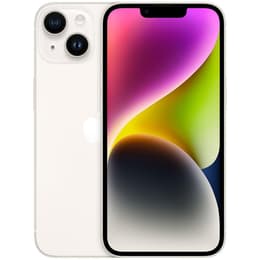
iPhone 14
iPhone 14
Starting at

Refurbished price:285.50

Versus €759.00 new

See options
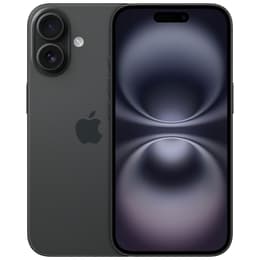
iPhone 16
iPhone 16
Starting at

Refurbished price:548.00

Versus €879.00 new

See options

Ratings

The iPhone 14, released in September 2022, and the anticipated iPhone 16, expected in September 2026, represent different generations within Apple's smartphone lineup. While both devices operate on the iOS platform, the iPhone 16 is projected to introduce significant advancements in processing power, camera technology, and connectivity, building upon the established foundation of the iPhone 14. This comparison aims to highlight the practical differences between these two models, focusing on how their respective features translate into real-world user experience.

Scores

Durability

The practical lifespan of a smartphone is influenced by its release timeline, software support, and physical durability. The iPhone 14 was launched in September 2022, while the iPhone 16 is expected to be released in September 2026, creating a four-year gap between the models.

  • OS Support Duration: The iPhone 16 is anticipated to receive software updates for a significantly longer period than the iPhone 14, naturally extending its usable life and access to new features and security enhancements. The iPhone 14 launched with iOS 16.
  • Repairability: Both models feature a Ceramic Shield front cover and an IP68 rating for water and dust resistance, offering a similar level of protection against environmental elements. However, the iPhone 16 is rumored to incorporate a reengineered internal design that could facilitate easier battery replacements, potentially contributing to its longevity.
  • Expected Practical Lifespan: Users prioritizing the longest possible software support and future-proofing will find the iPhone 16 more aligned with their needs due to its newer release date and expected extended update cycle.

Year of Release

2022

2024

Compatible with latest Update

Yes

Yes

Foldable

No

No

Performance

Performance differences between these two models stem primarily from their respective processors and memory configurations, impacting overall system responsiveness and handling of demanding applications.

  • Processing Power: The iPhone 14 is equipped with the A15 Bionic chip, which includes a 6-core CPU and a 5-core GPU, providing capable performance for everyday tasks and many demanding applications. The iPhone 16 is expected to feature a newer generation chip, likely the A18 or A18 Pro, which is projected to offer substantial improvements in processing speed and energy efficiency, particularly for advanced AI capabilities.
  • Multitasking and Responsiveness: The iPhone 14 comes with 6GB of RAM. The standard iPhone 16 models are rumored to feature 8GB of RAM, which would enhance multitasking capabilities and overall system fluidity, especially when running multiple applications simultaneously or engaging in intensive mobile gaming.
  • Battery Behavior: The iPhone 14 has a 3279 mAh battery, providing up to 20 hours of video playback. Rumors suggest the standard iPhone 16 will have a 3561mAh battery, representing an increase over the iPhone 15, which implies an improvement over the iPhone 14. This, combined with a more efficient processor, could translate to extended usage times for the newer model.

Memory (GB)

6 GB

8 GB

Screen quality

The display is a primary interface for smartphone interaction, and both models offer a high-quality visual experience, though the newer model is expected to bring enhancements.

  • Display Technology and Clarity: Both the iPhone 14 and the rumored iPhone 16 feature a 6.1-inch Super Retina XDR OLED display, known for its deep blacks and vibrant colors. The iPhone 14 offers a resolution of 2532 x 1170 pixels at 460 pixels per inch. The standard iPhone 16 is expected to maintain a similar resolution and pixel density.
  • Brightness and Outdoor Visibility: The iPhone 14 provides a typical brightness of 800 nits and a peak HDR brightness of 1200 nits. The iPhone 16's display is rumored to be brighter, potentially incorporating micro-lens technology for improved outdoor visibility and power efficiency.
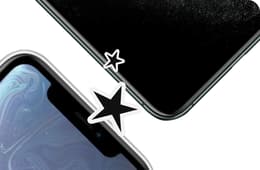
  • Interactive Elements: The iPhone 14 features a traditional notch at the top of its display. The iPhone 16 is expected to adopt the Dynamic Island across all models, integrating alerts and background activities into a more interactive area at the top of the screen.

Resolution

1170 x 2532

1179 x 2556

Screen type

Super Retina XDR OLED

Super Retina XDR OLED

Audiovisual

Camera systems are a key differentiator, with the iPhone 16 expected to build upon the solid foundation of the iPhone 14 with several notable upgrades.

  • Main and Ultra-Wide Cameras: The iPhone 14 features a dual-camera system with a 12MP main camera (f/1.5 aperture with sensor-shift optical image stabilization) and a 12MP ultra-wide camera (f/2.4 aperture). The iPhone 16 is rumored to feature a 48MP main camera, an upgrade from the iPhone 14, and an improved 12MP ultra-wide camera with a faster f/2.2 aperture, which should enhance low-light performance.
  • Video Capabilities and Design: The iPhone 14 supports 4K Dolby Vision video recording and includes features like Cinematic Mode and Action Mode. The iPhone 16 is rumored to adopt a vertical camera layout, which is expected to enable spatial video recording, compatible with devices like the Apple Vision Pro.
  • User Experience Enhancements: The iPhone 16 is also expected to introduce a new 'Capture Button' across all models, designed to offer quick access to camera functions and potentially more intuitive control over photography and videography.

Main camera

12 megapixels

48 megapixels

Front camera

12 megapixels

12 megapixels

Miscellaneous

Beyond core performance and display, several practical elements contribute to the overall user experience, including connectivity, physical interfaces, and additional features.

  • Connectivity Standards: The iPhone 14 supports 5G, Wi-Fi 6, and Bluetooth 5.3. The iPhone 16 is expected to feature newer connectivity standards, including Wi-Fi 7 and potentially an updated Bluetooth version, offering faster wireless speeds and improved efficiency.
  • Charging and Data Port: The iPhone 14 utilizes Apple's proprietary Lightning port for charging and data transfer. The iPhone 16 is anticipated to transition to a USB-C port, aligning with current industry standards and offering broader compatibility with accessories.
  • Physical Controls and Sensors: Both devices incorporate Face ID for secure authentication. The iPhone 16 is rumored to include the Action Button, previously exclusive to Pro models, on all variants, providing a customizable shortcut for various functions. The standard iPhone 16 models are expected to maintain similar dimensions and weight to the iPhone 14, which measures 146.7 x 71.5 x 7.8 mm and weighs 172 grams.

Weight

172 g

170 g

Screen size (in)

6.1

6.1

Network

5G

5G

SIM card

Physical SIM + eSIM

eSIM

Carrier compatibility

Unlocked

Unlocked

Connector

Lightning

USB-C (USB 2)

The iPhone 14 and the anticipated iPhone 16 cater to different user priorities, largely due to the four-year technological gap between their releases. The iPhone 14, a well-established device, is praised by users for its reliable performance, robust camera system, and consistent software experience. It continues to be a solid choice for those seeking a proven smartphone without the need for the very latest innovations.

Conversely, the iPhone 16, based on current expectations, is poised to offer significant upgrades across the board. Users frequently anticipate its enhanced processing power, improved camera capabilities with features like spatial video recording and a dedicated Capture Button, and extended software support. The rumored shift to USB-C and the inclusion of Wi-Fi 7 also address common user desires for modern connectivity and versatility.

Users prioritizing the latest technological advancements, longer software longevity, and cutting-edge camera features will find the expected iPhone 16 well-suited to their needs. Those who value a dependable device with a mature ecosystem and a proven track record may still find the iPhone 14 to be a practical option. For consumers considering either model, exploring quality-assured refurbished options can provide an eco-friendly alternative, extending the life cycle of these devices and offering a sustainable choice.
See all articles

Our recent comparisons