
iPhone

Compare models
Differences at a glance
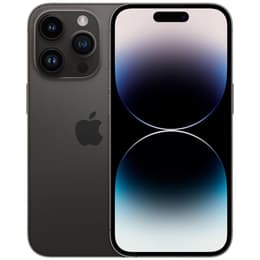
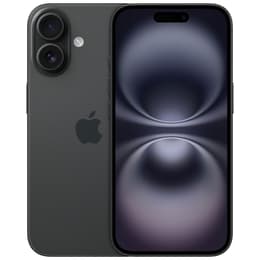
The iPhone 14 Pro, released in September 2022, and the iPhone 16, launched in September 2024, represent different generations within Apple's smartphone lineup. While both devices offer a premium user experience, the iPhone 16 introduces a more recent processor, increased RAM, and a modern port, whereas the iPhone 14 Pro features a higher refresh rate display and a dedicated telephoto camera. Both operate on Apple's iOS platform, ensuring a consistent software ecosystem.
Colour
Storage
Evaluating the practical lifespan of these devices involves considering their release timelines, software support, and potential for repair.
Year of Release
Compatible with latest Update
Foldable
Performance differences between the iPhone 14 Pro and iPhone 16 stem primarily from their internal components, influencing daily responsiveness and handling of demanding applications.
The visual experience on both devices is characterized by vibrant displays, though there are notable distinctions in refresh rate and specific features.
Resolution
Screen type
Both iPhones offer advanced camera systems capable of capturing high-quality photos and videos, with some differences in their optical configurations and features.
Main camera
Front camera
Beyond core performance and display, several practical elements differentiate the iPhone 14 Pro and iPhone 16, impacting user interaction and connectivity.
Weight
Screen size (in)
Network
SIM card
Carrier compatibility
Connector
The iPhone 14 Pro and iPhone 16 each present a compelling set of features, catering to different user priorities. The iPhone 14 Pro, despite being an older model, is frequently praised for its ProMotion 120Hz display, offering a smoother visual experience, and its dedicated 3x telephoto camera, which provides optical zoom capabilities. Users also appreciate its robust stainless steel build. However, some initial criticisms included battery drain, particularly with the Always-On display, and the continued use of the Lightning port. Many software-related issues were addressed through subsequent iOS updates. [20, 24, 27]
The iPhone 16, as a newer generation device, receives commendation for its updated processor, which delivers improved performance and efficiency, and its increased 8GB of RAM, enabling better multitasking and support for Apple Intelligence features. The switch to a USB-C port is also a welcome change for many users, enhancing compatibility. Initial user feedback highlighted some concerns regarding the sensitivity of the new Camera Control button and occasional camera app glitches, though many software bugs have been resolved. Some users also note the absence of a 120Hz refresh rate display as a compromise compared to Pro models. [5, 8, 11, 35]
Users prioritizing a smoother display experience with a higher refresh rate and a dedicated optical telephoto lens may find the iPhone 14 Pro well-suited to their needs. Conversely, those who value the latest processor, increased RAM for future-proofing and advanced AI features, a more modern USB-C port, and a lighter design may lean toward the iPhone 16. Both devices offer a quality-assured refurbished option, providing an eco-friendly alternative for consumers seeking reliable technology.