
iPhone 16 Vs iPhone 16e

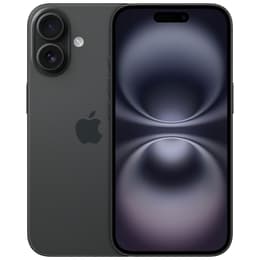
iPhone 16
iPhone 16
Starting at
€569.00
€879.00 new
See options
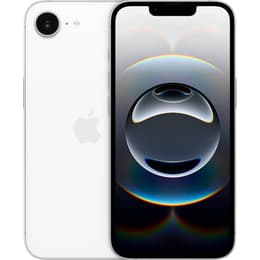
iPhone 16e
iPhone 16e
Starting at
€429.00
€719.00 new
See options

Ratings

The iPhone 16 (released September 2024) and the iPhone 16e (released February 2025) are both Apple smartphones running on iOS. While they share the same core operating system and aim to deliver a consistent user experience, the iPhone 16 offers a more advanced camera system and a brighter display, positioning it as the standard model, while the iPhone 16e serves as an entry-level option within the iPhone 16 series with a focus on essential features.

Scores

Durability

When considering the longevity and practical lifespan of these devices, several factors come into play.

  • Release Timeline and OS Support: The iPhone 16 was released in September 2024, and the iPhone 16e followed in February 2025. Both devices shipped with iOS 18. Apple typically provides software updates for its iPhones for approximately five to six years from their release date, meaning both devices can expect several years of consistent iOS updates and security patches, with the iPhone 16e potentially receiving support for a few months longer due to its later launch.
  • Repairability Scores: The iPhone 16 lineup, including the base model, has shown significant improvements in repairability compared to previous generations, earning a score of seven out of ten from iFixit. These improvements include design changes that make batteries easier to replace and better access to components from both the front and back. While a specific score for the 16e isn't detailed, it generally benefits from these overall design improvements within the 16 series.
  • Expected Practical Lifespan: Both models are built with durability in mind, featuring Ceramic Shield front protection and IP68 water and dust resistance, designed to withstand immersion in up to 6 meters of water for 30 minutes. The iPhone 16 features a newer generation of Ceramic Shield compared to the 16e, potentially offering slightly enhanced protection. Users can expect these phones to remain functional and receive essential updates for many years, making a quality-assured refurbished option a sustainable choice for extended use.

Year of Release

2024

2025

Foldable

No

No

Performance

Performance for both devices is centered around Apple's A18 chip, but with subtle differences impacting demanding tasks.

  • Processor Capabilities and Responsiveness: Both the iPhone 16 and iPhone 16e are powered by the Apple A18 chip, which includes a 6-core CPU. This processor capably handles everyday applications, multitasking, and general system responsiveness. The iPhone 16 features a 5-core GPU, while the iPhone 16e comes with a 4-core GPU. This means the iPhone 16 offers slightly more graphics processing power, which can be noticeable in graphically intensive games or demanding creative applications.
  • RAM and Storage Options: The iPhone 16e comes with 8 GB of RAM. While the specific RAM for the base iPhone 16 is not explicitly detailed in all sources, both devices offer storage configurations starting at 128 GB, with options for 256 GB and 512 GB, providing ample space for apps, photos, and videos.
  • Battery Behavior in Typical Use Cases: The iPhone 16 has a 3,561 mAh battery, offering up to 22 hours of video playback. The iPhone 16e is equipped with a larger 4,005 mAh battery, providing up to 26 hours of video playback. Despite the larger battery capacity in the 16e, some independent tests indicate the iPhone 16 can achieve better overall battery life in active use scenarios, attributed to more optimized power management.

Memory

8 GB

8 GB

Screen quality

Both iPhones utilize advanced display technologies, but the iPhone 16 provides a more immersive viewing experience with higher brightness.

  • Display Technology and Clarity: Both the iPhone 16 and iPhone 16e feature 6.1-inch Super Retina XDR OLED displays, delivering vibrant colors and deep blacks. The iPhone 16 has a resolution of 2556 x 1179 pixels, while the iPhone 16e has a resolution of 2532 x 1170 pixels, both resulting in a pixel density of 460 pixels per inch, ensuring sharp and clear visuals for text and images.
  • Brightness Levels and Refresh Rate: The iPhone 16 offers a typical maximum brightness of 1,000 nits, with a peak HDR brightness of 1,600 nits and an impressive 2,000 nits for outdoor peak brightness, significantly enhancing visibility in bright conditions. The iPhone 16e has a typical brightness of 800 nits and a peak HDR brightness of 1,200 nits, providing a bright and clear display in most environments. Both models maintain a standard 60 Hz refresh rate.
  • Screen Size and Viewing Experience: Both devices offer a 6.1-inch all-screen OLED display. A key differentiator is the inclusion of Apple's Dynamic Island on the iPhone 16, which integrates the front camera and sensors into an interactive notification and activity hub, whereas the iPhone 16e utilizes a more traditional notch design.

Resolution

1179 x 2556

2532x1170

Audiovisual

The camera systems present a notable distinction, with the iPhone 16 offering more versatility in photography and videography.

  • Camera System Capabilities: The iPhone 16 features an advanced dual-camera system with a 48MP Fusion Main camera (f/1.6 aperture) and a 12MP Ultra Wide camera (f/2.2 aperture). This allows for 2x optical zoom in, 2x optical zoom out, and a 4x optical zoom range, along with digital zoom up to 10x. The iPhone 16e is equipped with a single 48MP Fusion Main camera (f/1.6 aperture), offering 1x and 2x optical quality zoom through sensor cropping, and digital zoom up to 10x. The iPhone 16 also features sensor-shift optical image stabilization for its main camera, while the 16e uses lens-based optical image stabilization.
  • Photography Performance: Both phones capture excellent 12MP stills with good detail, sharp images, and accurate color rendition in good lighting. The iPhone 16's additional Ultra Wide lens provides greater flexibility for capturing wider scenes and macro photography. For low-light conditions, both main cameras perform well, producing clean videos with good detail and dynamic range. The iPhone 16 also supports spatial video capture, enabling a more immersive viewing experience on compatible devices like the Apple Vision Pro.
  • Video Recording Quality and Features: Both devices are capable of recording 4K Dolby Vision video at various frame rates (24, 25, 30, or 60 fps) and offer cinematic video stabilization. The iPhone 16 further enhances video capabilities with Action mode, allowing for smoother footage in dynamic situations. Both have a 12MP TrueDepth front camera with autofocus, capable of 4K video recording.

Front camera

12 megapixels

TrueDepth 12MP

Miscellaneous

Beyond core performance, several practical elements differentiate these two iPhone models.

  • Connectivity Options: The iPhone 16 supports 5G (sub‑6 GHz and mmWave) with 4x4 MIMO and Wi‑Fi 7 (802.11be), offering faster wireless speeds and improved network performance. The iPhone 16e supports 5G (sub-6 GHz) with 4x4 MIMO and Wi‑Fi 6 (802.11ax). It's also noted that the iPhone 16e's custom Apple C1 modem does not support mmWave 5G, unlike its flagship counterparts. Both include Bluetooth 5.3 and NFC.
  • Port Types and Physical Design: Both models have transitioned to a USB-C port, aligning with modern connectivity standards. The iPhone 16 features a new vertical rear camera alignment and also includes the new Camera Control button, enabling quick access to camera functions. The iPhone 16e, while having a similar aluminum and glass design, does not include the Camera Control button or the Dynamic Island.
  • Weight, Dimensions, and Build Materials: The iPhone 16 measures 147.6 x 71.6 x 7.80 mm and weighs 170 grams. The iPhone 16e is slightly smaller and lighter at 146.7 x 71.5 x 7.8 mm and 167 grams. Both devices boast an IP68 rating for water and dust resistance, offering robust protection against environmental elements. The iPhone 16 has a newer generation Ceramic Shield front panel, which is stated to be slightly more break and scratch resistant than the Ceramic Shield on the 16e.

Weight

170 g

167 g

Screen size (in)

6.1

6.1

Network

5G

5G

SIM card

eSIM

eSIM

Carrier compatibility

Unlocked

Unlocked

Connector

USB-C (USB 2)

USB-C

User sentiment for the iPhone 16 series, including the 16 and 16e, highlights a mix of appreciation for core Apple strengths and some criticisms regarding new features and pricing strategies. Many users praise the reliability of iOS and Apple's ecosystem integration, along with the hardware performance and display quality. For the iPhone 16, specific positive feedback often surrounds its upgraded design, vibrant color options, and enhanced dual-camera system, which enables spatial video capture. However, some express disappointment with the 60 Hz refresh rate, noting it feels dated compared to other smartphones, and there are mixed opinions on battery life and the implementation of AI features.

The iPhone 16e, as an entry-level offering, receives positive comments for bringing modern features like an OLED display and the A18 chip to a more accessible point. Users appreciate its solid camera performance for a single-lens system and its robust battery life. Criticisms for the 16e often center on its higher starting price compared to its predecessor, the lack of a Dynamic Island, and the absence of a dedicated ultra-wide camera.

Choosing between these two models depends significantly on individual priorities. Users who prioritize comprehensive camera versatility, a brighter display, and the interactive Dynamic Island will find the iPhone 16 well-suited to their needs. This device caters to those who want the latest standard Apple experience with enhanced photography and a slightly more premium feel. On the other hand, the iPhone 16e is an excellent fit for users seeking a reliable and capable iPhone for everyday tasks, communication, and media consumption, without needing the most advanced camera features or the Dynamic Island. It's a practical option for students or those looking for a long-lasting device that offers core iOS functionality in a quality-assured package.

For consumers evaluating their options, exploring quality-assured refurbished versions of both the iPhone 16 and iPhone 16e offers an eco-friendly alternative to owning a powerful device. These refurbished choices provide a sustainable path to accessing Apple's technology, ensuring performance and reliability while making a responsible purchasing decision.