
iPhone 13 Pro Vs iPhone 16

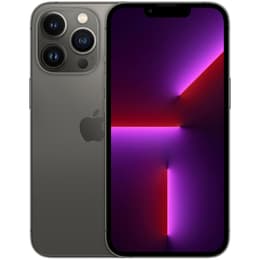
iPhone 13 Pro
iPhone 13 Pro
Starting at

Refurbished price:313.00

Versus €1,149.00 new

See options
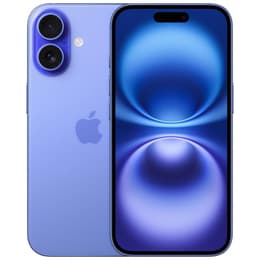
iPhone 16
iPhone 16
Starting at

Refurbished price:548.00

Versus €879.00 new

See options

Ratings

The iPhone 13 Pro, released in September 2021, and the anticipated iPhone 16, expected in September 2026, represent different generations within Apple's smartphone lineup. While both devices operate on Apple's iOS ecosystem, the iPhone 16 is poised to introduce significant advancements in processing power, camera technology, and user interaction, reflecting five years of technological evolution. This comparison will highlight the practical differences between a well-established professional-grade device and the expected features of a future mainstream model, helping users understand what each offers for their daily needs.

Scores

Durability

When considering the longevity of a smartphone, both hardware durability and software support are key factors.

  • Release Timeline: The iPhone 13 Pro launched in September 2021, meaning it has already received several years of software updates. The iPhone 16 is expected to be released in September 2026, positioning it at the beginning of its software support cycle. This difference in release dates directly impacts their respective practical lifespans.
  • Software Longevity: Apple typically provides major iOS updates for 5-7 years from a device's release. The iPhone 13 Pro, having been released in 2021, is expected to continue receiving updates for a few more years. The iPhone 16, as a 2026 model, will benefit from a full cycle of future iOS updates, ensuring it remains compatible with the latest features and security enhancements for a considerably longer period.
  • Physical Durability: Both models feature a Ceramic Shield front cover, designed to offer enhanced drop performance. The iPhone 13 Pro has an IP68 rating for water and dust resistance. While the iPhone 16 is expected to maintain or improve upon this standard, potentially incorporating more robust materials like titanium in its Pro variants, the core protection against everyday elements is similar. Users seeking the longest possible software support and access to future features will find the iPhone 16 more aligned with their needs.

Year of Release

2021

2024

Compatible with latest Update

Yes

Yes

Foldable

No

No

Performance

The performance of a smartphone dictates its responsiveness and capability to handle demanding applications and multitasking.

  • Processing Power: The iPhone 13 Pro is equipped with a powerful processor that handles everyday tasks, graphic-intensive games, and video editing smoothly. The iPhone 16, however, is expected to feature a significantly newer generation of Apple's silicon, with a strong emphasis on enhanced AI capabilities and a more powerful Neural Engine. This will translate to faster app loading, more seamless multitasking, and superior performance in AI-driven applications and features.
  • Multitasking and Responsiveness: The iPhone 13 Pro offers 6GB of RAM, providing a fluid experience for switching between apps and keeping multiple applications active in the background. The iPhone 16 is rumored to come with 8GB of RAM for its standard models, which would further enhance its multitasking capabilities and overall system responsiveness, especially with the increased demands of future software and AI features.
  • Storage Options: The iPhone 13 Pro was available with storage options up to 1TB. The iPhone 16 Pro models are rumored to offer up to 2TB of storage, catering to users who require extensive space for high-resolution media, large applications, and complex projects.
  • Battery Behavior: The iPhone 13 Pro offers robust battery life, with users reporting it can last through a full day of heavy use, and the ProMotion display contributes to efficiency by adapting the refresh rate. The iPhone 16 is expected to feature further battery optimizations and potentially stacked battery technology in its Pro models, aiming for even longer usage times and rumored faster wired charging capabilities.

Memory (GB)

6 GB

8 GB

Screen quality

The display is a primary interface for smartphone interaction, and differences in screen technology can significantly impact the visual experience.

  • Display Technology and Clarity: Both the iPhone 13 Pro and the expected iPhone 16 feature OLED displays, known for their deep blacks, high contrast, and vibrant colors. The iPhone 13 Pro has a 6.1-inch Super Retina XDR OLED display with a resolution of 2532 x 1170 pixels, resulting in a sharp 460 pixels per inch (ppi). The standard iPhone 16 is expected to maintain a 6.1-inch display, while the iPhone 16 Pro models are rumored to feature slightly larger screens, potentially 6.3 inches, with thinner bezels, offering a more expansive viewing area without significantly increasing the device's overall size.
  • Brightness and Outdoor Visibility: The iPhone 13 Pro offers a typical maximum brightness of 1000 nits and a peak HDR brightness of 1200 nits, ensuring good visibility even in bright outdoor conditions. The iPhone 16 is expected to maintain or improve upon these brightness levels, potentially incorporating more power-efficient display technologies for sustained high brightness.
  • Refresh Rate and Smoothness: A key feature of the iPhone 13 Pro is its ProMotion display, offering an adaptive refresh rate from 10Hz to 120Hz. This allows for incredibly smooth scrolling and responsive interactions while conserving battery life when static content is displayed. While the iPhone 16 Pro models are expected to retain 120Hz ProMotion, the standard iPhone 16 models might continue with a 60Hz refresh rate, meaning the 13 Pro would offer a smoother visual experience than the base 16 model.

Resolution

1170 x 2532

1179 x 2556

Screen type

Super Retina XDR OLED

Super Retina XDR OLED

Audiovisual

Camera capabilities are a significant consideration for many users, and both devices offer advanced photographic and videographic tools.

  • Rear Camera System: The iPhone 13 Pro features a versatile triple 12MP camera system, including Wide (f/1.5), Ultra Wide (f/1.8), and Telephoto (f/2.8 with 3x optical zoom) lenses, complemented by a LiDAR scanner for improved depth sensing. It excels in various lighting conditions, offering features like Night mode, Deep Fusion, and Smart HDR 4. The standard iPhone 16 is expected to feature a 48MP main sensor with an f/1.6 aperture and an improved ultrawide camera with an f/2.2 aperture, along with macro photography capabilities. The iPhone 16 Pro models are rumored to receive even more substantial upgrades, including a 48MP ultrawide camera and the 5x Tetraprism telephoto lens, previously exclusive to the Pro Max models.
  • Video Recording Capabilities: The iPhone 13 Pro supports Cinematic mode for video with shallow depth of field and ProRes video recording up to 4K at 30fps (for models with 256GB storage or more). The iPhone 16 is expected to introduce a vertical camera arrangement on its standard models to enable Spatial Video recording, compatible with Apple's Vision Pro headset. The Pro models may also support a new image format like JPEG-XL.
  • User Interaction for Photography: The iPhone 16 is rumored to introduce a new physical 'Capture Button' across all models, offering a two-stage press for focusing and taking photos, and potentially gestures for zoom control, providing a more tactile camera experience.
  • Audio Experience: Both devices are expected to offer high-quality audio output for media consumption and clear microphone performance for calls and recordings.

Main camera

12 megapixels

48 megapixels

Front camera

12 megapixels

12 megapixels

Miscellaneous

Beyond core performance and camera, several practical features contribute to the overall user experience.

  • Connectivity: The iPhone 13 Pro supports 5G and Wi-Fi 6 (802.11ax). The iPhone 16 is expected to upgrade to Wi-Fi 7 and potentially faster 5G modems, offering improved wireless speeds and reliability.
  • Port Types: The iPhone 13 Pro utilizes Apple's proprietary Lightning port for charging and data transfer. The iPhone 16 lineup is expected to fully transition to USB-C connectivity across all models, aligning with broader industry standards and offering more universal compatibility for charging and accessories.
  • Biometric Authentication: Both devices rely on Face ID for secure facial recognition and authentication. Rumors suggest the iPhone 16 Pro models might eventually feature under-display Face ID, leading to a more seamless, all-screen design.
  • Physical Design and Interaction: The iPhone 13 Pro has a familiar design with an aluminum frame and a notch housing the Face ID sensors. The iPhone 16 is expected to feature a vertical camera layout on its standard models, a departure from the diagonal arrangement seen in recent generations. All iPhone 16 models are also expected to gain the customizable Action Button, previously exclusive to Pro models, and a new 'Capture Button' for camera control. The iPhone 13 Pro weighs 204 grams. While specific weights for the iPhone 16 are not confirmed, design changes and new materials could influence its feel in hand.

Weight

203 g

170 g

Screen size (in)

6.1

6.1

Network

5G

5G

SIM card

Physical SIM + eSIM

eSIM

Carrier compatibility

Unlocked

Unlocked

Connector

Lightning

USB-C (USB 2)

The iPhone 13 Pro remains a capable and robust smartphone, praised by users for its strong battery life, excellent camera system, and smooth ProMotion display. Common praise points often highlight its enduring performance and premium build quality. Some users, however, might find its Lightning port less convenient compared to the more universal USB-C standard, and its camera notch takes up more screen space than newer designs.

The iPhone 16, as an upcoming model, is anticipated to build upon these foundations with significant upgrades. Expected praise points will likely center on its enhanced AI capabilities, the versatility of its new camera system (especially the 48MP ultrawide and 5x telephoto for Pro models), the convenience of the new Capture Button and USB-C port, and the extended software longevity. Potential criticisms for the standard iPhone 16 might include the rumored retention of a 60Hz display, which would be a step down from the 13 Pro's ProMotion technology.

Users prioritizing a proven, high-performance device with a professional-grade camera system that still receives software updates may find the iPhone 13 Pro a suitable choice. For those who value the absolute latest in mobile technology, including advanced AI features, cutting-edge camera hardware, and the longest possible software support, the iPhone 16 is likely to be more appealing. The iPhone 16 is also better suited for users who prefer the universal compatibility of USB-C and the tactile control offered by the new Capture Button.

For consumers considering either device, exploring quality-assured refurbished options for the iPhone 13 Pro can provide an eco-friendly alternative, extending the life cycle of existing electronics.
See all articles

Our recent comparisons