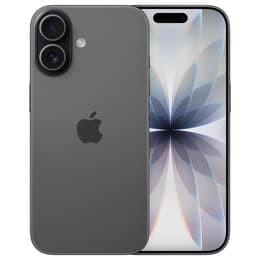

iPhone 16 Vs iPhone 17

iPhone 16
iPhone 16
Starting at

Refurbished price:548.00

Versus €879.00 new

See options
iPhone 17
iPhone 17
Starting at

Refurbished price:704.00

Versus €979.00 new

See options

Ratings

The iPhone 16, released in September 2024, and the iPhone 17, launched in September 2025, represent consecutive generations of Apple's standard smartphone line. While both devices operate on the iOS ecosystem and share a familiar design language, the iPhone 17 introduces several key advancements in display technology, processing power, and camera capabilities. These updates aim to enhance the user experience, particularly for those seeking the latest in mobile innovation.

Scores

Durability

When considering the long-term usability of a smartphone, factors such as software support, physical durability, and repairability are important. Both the iPhone 16 and iPhone 17 are built to offer a substantial lifespan, benefiting from Apple's consistent update policy.

  • Release Timeline: The iPhone 16 was released in September 2024, while the iPhone 17 followed a year later in September 2025. This means the iPhone 17 will inherently receive major iOS updates for approximately one year longer than its predecessor.
  • Software Longevity: Apple typically provides 5-7 years of major iOS updates for its devices, followed by additional years of security patches. Based on this pattern, the iPhone 16 is expected to receive software support until around 2036, and the iPhone 17 until approximately 2037, ensuring a long period of access to new features and security enhancements.
  • Durability Features: The iPhone 16 features Ceramic Shield protection on its display, designed to enhance drop performance. The iPhone 17 builds on this with Ceramic Shield 2, which Apple states offers improved scratch resistance. Both models also maintain a high level of water and dust resistance, contributing to their overall resilience in daily use.

Performance

The performance of a smartphone is largely determined by its internal processing unit and how efficiently it handles various tasks, from everyday browsing to demanding applications. Both the iPhone 16 and iPhone 17 offer robust performance, though the newer model brings generational improvements.

  • Processing Capabilities: The iPhone 16 is powered by a capable processor that handles demanding apps and multitasking smoothly, supporting features like Apple Intelligence. The iPhone 17 incorporates a newer generation processor, which provides further enhancements in speed and efficiency, resulting in even smoother operation and faster app loading times.
  • Multitasking and Responsiveness: Users of both devices can expect fluid navigation and efficient multitasking. The iPhone 17's updated processor and potentially optimized software contribute to a slightly more responsive experience, particularly when running multiple intensive applications simultaneously or engaging in graphically demanding games.
  • Storage Options: Both models are available with various internal storage capacities, allowing users to choose the amount of space needed for apps, photos, videos, and other data. The iPhone 17e, a variant of the iPhone 17, starts with 256GB of storage, doubling the entry-level storage of some previous generations.

Memory (GB)

8 GB

8 GB

Screen quality

The display is a primary interface for smartphone interaction, and both the iPhone 16 and iPhone 17 offer high-quality viewing experiences, with the iPhone 17 introducing a notable upgrade in its display technology.

  • Display Technology and Size: The iPhone 16 features a 6.1-inch OLED display, known for its deep blacks and vibrant colors. The iPhone 17 upgrades to a larger 6.3-inch OLED display, providing a more expansive viewing area.
  • Refresh Rate and Smoothness: A significant difference lies in the refresh rate. The iPhone 16 maintains a standard refresh rate, offering a smooth experience for most content. The iPhone 17, however, introduces a 120Hz ProMotion refresh rate, a feature previously exclusive to Pro models, which delivers noticeably smoother scrolling and more fluid animations.
  • Brightness and Clarity: Both displays offer excellent clarity and sufficient brightness for various lighting conditions. The iPhone 16's display can reach up to 2,000 nits outdoors, 1,600 nits for HDR content, and 1,000 nits typical max brightness. While the iPhone 17's specific brightness figures are not detailed for the base model, its larger size and ProMotion technology enhance the overall visual experience.

Audiovisual

Camera capabilities are a crucial aspect of modern smartphones, and both the iPhone 16 and iPhone 17 offer advanced systems for capturing photos and videos, with the newer model featuring enhancements to its imaging hardware.

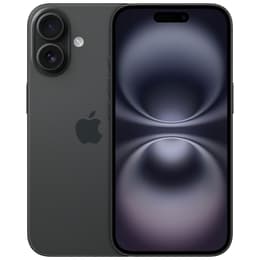
  • Main Camera System: The iPhone 16 is equipped with a dual-camera system, including a 48MP Fusion Ultrawide and a 12MP Telephoto lens, alongside a 12MP front camera. The iPhone 17 features an upgraded 48 MP Dual Fusion camera system for both its main and ultra-wide lenses, suggesting improved detail and versatility.
  • Photography Performance: Both devices excel in everyday photography, producing sharp images with accurate color reproduction. The iPhone 17's enhanced camera system, particularly its 48MP ultra-wide lens, is expected to offer improved performance in various scenarios, including low-light conditions and capturing broader scenes.
  • Video Recording and Features: Both iPhones support high-quality video recording. The iPhone 17's front-facing camera also includes stabilization for video and a dual capture mode, allowing simultaneous recording with both front and rear cameras, which can be beneficial for content creators.

Miscellaneous

Beyond the core specifications, several practical elements contribute to the overall user experience and differentiate the iPhone 16 and iPhone 17.

  • Connectivity and Ports: Both models support modern connectivity standards, including 5G for fast cellular data and advanced Wi-Fi standards. The iPhone 16 supports Wi-Fi 7, while the iPhone 17e supports Wi-Fi 6. Both devices feature a USB-C port for charging and data transfer.
  • Biometric Security: Both iPhones utilize Face ID for secure facial recognition, enabling convenient unlocking and authentication for payments and apps. The iPhone 17 may feature a redesigned Face ID system, potentially integrated under the display, contributing to a sleeker design.
  • Design and Handling: The iPhone 16 maintains a familiar design with flat sides. The iPhone 17 is rumored to feature a sleeker, slimmer design with potentially thinner bezels and a redesigned camera module, which could impact its in-hand feel and overall aesthetics. The iPhone 16 is slightly smaller and lighter than the iPhone 17.

Screen size (in)

6.1

6.3

Network

5G

5G

SIM card

eSIM

eSIM

Carrier compatibility

Unlocked

Unlocked

User feedback for the iPhone 16 often praises its robust performance, reliable camera system, and the introduction of Apple Intelligence, making it a solid choice for everyday use and more demanding tasks. Some users, however, noted that its display maintained a standard refresh rate, which was a point of comparison with Pro models. The iPhone 17, on the other hand, has been lauded for its significant display upgrade, bringing a 120Hz ProMotion display to the non-Pro line, along with further camera enhancements and a more efficient processor. Users appreciate these advancements for a more fluid and immersive experience.

For individuals prioritizing the absolute latest display technology and a slightly more refined camera system, the iPhone 17 presents a compelling option. Its 120Hz ProMotion display offers a noticeable improvement in visual smoothness, and the enhanced processing power ensures it remains highly responsive for years to come. Users who engage in mobile gaming, frequent scrolling, or appreciate the most fluid visual experience will find the iPhone 17 well-suited to their needs. Conversely, the iPhone 16 remains a highly capable device, offering excellent performance, a strong camera, and a long software support lifespan. It is a suitable choice for users who value a dependable and powerful smartphone experience without needing the very latest display advancements.

Ultimately, the decision between the iPhone 16 and iPhone 17 depends on individual priorities regarding display fluidity and the latest camera technology. Both models offer a quality-assured experience, and considering a refurbished option for either device can be an eco-friendly choice that provides access to these advanced features.


See all articles

Our recent comparisons