

iPhone 15 Pro Vs iPhone 16

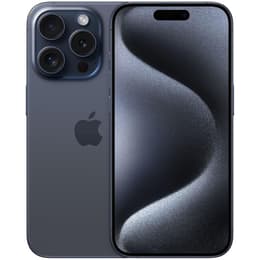
iPhone 15 Pro
iPhone 15 Pro
Starting at

Refurbished price:510.00

Versus €1,165.38 new

See options
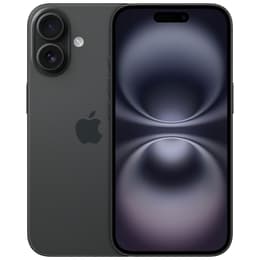
iPhone 16
iPhone 16
Starting at

Refurbished price:548.00

Versus €879.00 new

See options

Ratings

The iPhone 15 Pro (released in September 2023) and the iPhone 16 (released in September 2024) represent different tiers within Apple's smartphone lineup. While both devices operate on the iOS platform and offer robust performance, the iPhone 15 Pro distinguishes itself with a more advanced display and camera system, whereas the iPhone 16 focuses on enhanced battery longevity and a newer generation processor. Both devices are designed to integrate seamlessly into the Apple ecosystem.

Scores

Durability

When considering the long-term usability of these devices, several factors contribute to their expected lifespan.

  • Release Timeline: The iPhone 15 Pro was released in September 2023, making it a year older than the iPhone 16, which launched in September 2024. This difference in release date directly impacts the duration of software support each device will receive.
  • Software Longevity: Both models are designed to receive multiple years of iOS updates. The iPhone 15 Pro launched with iOS 17 and is compatible with iOS 18 and iOS 26, ensuring continued access to new features and security enhancements for a significant period. The iPhone 16, launching with iOS 18, will likely receive software updates for at least one year longer than its predecessor, extending its functional lifespan.
  • Durability Features: The iPhone 15 Pro features a Grade 5 titanium frame, which offers a balance of strength and reduced weight compared to previous stainless steel models. The iPhone 16 utilizes an aluminum frame. Both devices incorporate Ceramic Shield on the front for display protection and carry an IP68 rating for dust and water resistance, indicating resilience against splashes and submersion.
  • Practical Lifespan: Users can expect both phones to remain highly functional for several years. The iPhone 15 Pro's premium build and features contribute to its perceived longevity, while the iPhone 16's newer internal components and extended software support offer a slightly longer practical lifespan for those prioritizing the latest software.

Year of Release

2023

2024

Compatible with latest Update

Yes

Yes

Foldable

No

No

Performance

Both the iPhone 15 Pro and iPhone 16 deliver capable performance for daily tasks and demanding applications, though there are distinctions in their underlying hardware and real-world usage.

  • Processor Capabilities: The iPhone 15 Pro is equipped with a powerful processor that handles intensive applications and multitasking smoothly. The iPhone 16 features a newer generation processor, which provides a slight increase in processing power and efficiency. This newer chip contributes to improved thermal management, meaning the iPhone 16 tends to run cooler during prolonged heavy use compared to the iPhone 15 Pro.
  • System Responsiveness and RAM: Both devices come with 8GB of RAM, allowing for efficient multitasking and smooth transitions between applications. Users will find both phones highly responsive, with apps loading quickly and navigating the interface feeling fluid. While the iPhone 16's newer processor offers a marginal performance uplift in benchmarks, the real-world difference for most everyday tasks may not be immediately apparent to all users.
  • Battery Behavior: The iPhone 16 generally offers a more extended battery life compared to the iPhone 15 Pro. This is attributed to a larger battery capacity in the iPhone 16 and the efficiency gains of its newer processor, combined with its 60Hz display which consumes less power than the 15 Pro's 120Hz display. Users of the iPhone 15 Pro, particularly heavy users, might find themselves needing to charge the device more frequently throughout the day.
  • Storage Options: The iPhone 15 Pro offers storage configurations up to 1TB, catering to users with extensive storage needs. The iPhone 16 is available with storage options up to 512GB, which is ample for most users but less than the maximum offered by the Pro model.

Memory (GB)

8 GB

8 GB

Screen quality

The visual experience on both the iPhone 15 Pro and iPhone 16 is vibrant, though there is a notable difference in display technology that impacts smoothness.

  • Display Technology and Refresh Rate: Both phones feature a 6.1-inch Super Retina XDR OLED display, offering deep blacks, high contrast, and vibrant colors. However, a key distinction lies in the refresh rate. The iPhone 15 Pro boasts a 120Hz ProMotion display, which dynamically adjusts the refresh rate for incredibly smooth scrolling, animations, and gaming. The iPhone 16, on the other hand, maintains a standard 60Hz refresh rate. This difference is noticeable, especially for users accustomed to higher refresh rates.
  • Resolution and Clarity: Both devices offer a sharp resolution of 2556x1179 pixels, resulting in a pixel density of approximately 460 pixels per inch (ppi). This ensures text and images appear crisp and detailed on both screens.
  • Brightness Levels: Both displays achieve high brightness levels, with typical brightness around 1000 nits and peak brightness for HDR content reaching up to 1600 nits, and up to 2000 nits for outdoor use. This allows for good visibility even in bright outdoor conditions.
  • Screen Size and Viewing Experience: With identical 6.1-inch screen sizes, both phones provide a compact yet immersive viewing experience suitable for media consumption and daily tasks. The iPhone 15 Pro's thinner bezels contribute to a slightly higher screen-to-body ratio.

Resolution

1179 x 2556

1179 x 2556

Screen type

LTPO Super Retina XDR OLED

Super Retina XDR OLED

Audiovisual

The camera systems on the iPhone 15 Pro and iPhone 16 offer distinct capabilities, catering to different photography and videography needs.

  • Camera System Configuration: The iPhone 15 Pro features a versatile triple-camera system, including a 48-megapixel main sensor, a 12-megapixel ultra-wide lens, and a dedicated 12-megapixel telephoto lens with 3x optical zoom. The iPhone 16 has a dual-camera system, comprising a 48-megapixel Fusion main camera and a 12-megapixel ultrawide camera. The Fusion camera on the iPhone 16 can achieve a 2x optical quality zoom by cropping from the main sensor.
  • Photography Performance: Both phones excel in everyday photography, producing detailed and color-accurate images. The iPhone 15 Pro's dedicated telephoto lens provides superior optical zoom capabilities, allowing for clearer zoomed-in shots without digital degradation. For low-light conditions, both devices perform well, though the iPhone 15 Pro's advanced processing and larger sensors can sometimes capture more detail in challenging scenarios. The iPhone 15 Pro also supports ProRAW for more flexible post-processing.
  • Video Recording Quality: Both models offer high-quality video recording. The iPhone 15 Pro supports ProRes video recording, which is beneficial for professional workflows requiring higher fidelity footage. The iPhone 16 introduces a new Camera Control button, designed to enhance the tactile experience of taking photos and videos, and can record spatial video for compatible viewing devices.
  • Microphone and Speaker Quality: Both iPhones provide clear microphone quality for calls and voice recordings. Their stereo speaker systems deliver a balanced audio experience for media consumption, with good clarity and volume.

Main camera

48 megapixels

48 megapixels

Front camera

12 megapixels

12 megapixels

Miscellaneous

Beyond core performance and display, several practical elements differentiate the iPhone 15 Pro and iPhone 16, influencing daily usability.

  • Connectivity Options: Both devices support 5G cellular connectivity for fast mobile data speeds. For Wi-Fi, the iPhone 15 Pro supports Wi-Fi 6E, while the iPhone 16 features the newer Wi-Fi 7 standard, offering potentially faster and more stable wireless connections in compatible environments. Both include Bluetooth 5.3 for connecting accessories.
  • Port Types: A significant change for both models compared to older iPhones is the adoption of USB-C. However, the implementation differs: the iPhone 15 Pro's USB-C port supports USB 3 speeds, enabling much faster data transfers, particularly useful for large files like 4K videos. The iPhone 16's USB-C port is limited to USB 2.0 speeds, similar to the older Lightning standard.
  • Useful Sensors and Buttons: Both phones feature Face ID for secure facial recognition. The iPhone 15 Pro introduced the customizable Action button, replacing the traditional mute switch, which is also present on the iPhone 16. The iPhone 16 further adds a new Camera Control button, designed for quick camera access and shutter control.
  • Weight and Dimensions: The iPhone 15 Pro, with its titanium construction, weighs 187 grams and measures 146.6 x 70.6 x 8.25 mm. The iPhone 16, built with aluminum, is lighter at 170 grams and has slightly different dimensions of 147.6 x 71.6 x 7.8 mm. The lighter weight of the iPhone 16 can make it feel more comfortable for extended periods of use.

Weight

171 g

170 g

Screen size (in)

6.1

6.1

Network

5G

5G

SIM card

eSIM

eSIM

Carrier compatibility

Unlocked

Unlocked

Connector

USB-C (USB 3)

USB-C (USB 2)

User feedback for the iPhone 15 Pro often highlights its premium build quality, the fluidity of its 120Hz ProMotion display, and the versatility of its camera system, particularly the dedicated telephoto lens and ProRAW capabilities. Some initial concerns about overheating were largely addressed through software updates, though battery life for very heavy users can still be a point of consideration. The faster USB-C data transfer speeds are also a praised feature for those who frequently move large files.

The iPhone 16 receives praise for its significantly improved battery life, often lasting a full day with considerable charge remaining, and its enhanced thermal management, leading to a cooler device during demanding tasks. The new Camera Control button is noted for offering a more tactile photography experience. However, a frequent criticism is the retention of a 60Hz display, which some users find less modern compared to the smoother experience of 120Hz panels, especially in 2026. The slower USB 2.0 speeds for its USB-C port are also a point of comparison against Pro models.

Users prioritizing a consistently smooth visual experience, advanced camera features like optical telephoto zoom and professional video formats, and faster wired data transfer speeds may find the iPhone 15 Pro better suited to their needs. Its titanium build also offers a distinct tactile feel. Conversely, individuals who value maximum battery endurance, a device that runs cooler under load, and the latest generation processor for general performance, might lean towards the iPhone 16. Its lighter aluminum construction could also be a factor for those seeking a less weighty device.

For those evaluating their options, considering a quality-assured refurbished iPhone 15 Pro can offer access to its premium features as an eco-friendly alternative, while a refurbished iPhone 16 provides the benefits of its newer processor and battery improvements.


See all articles

Our recent comparisons