
Compare models
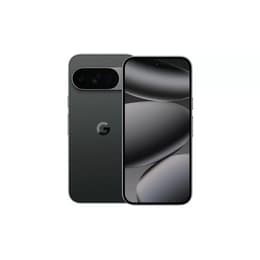
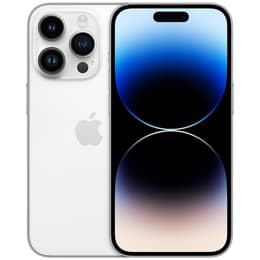
Google Pixel 10 Pro Vs iPhone 14 Pro
- 1-year minimum warranty
- Free delivery on all orders
- Free 30-day returns
Differences at a glance
The Google Pixel 10 Pro (2025) and the iPhone 14 Pro (2022) are premium smartphones representing different generations and operating systems within the flagship category. While both devices cater to users seeking high-end functionality, they differ notably in software ecosystems, release timelines, and hardware design philosophies. The Google Pixel 10 Pro operates on Android, whereas the iPhone 14 Pro runs iOS, shaping distinct user experiences right out of the box.
Available Models
Colour
Storage
Scores
Durability
When evaluating longevity, software support timelines and hardware durability play major roles in determining how long each device remains practical for daily use.
- Software support timeline: The Google Pixel 10 Pro benefits from an extended multi-year update commitment typical of recent releases, while the iPhone 14 Pro operates within Apple's established software lifecycle, having launched a few years earlier.
- Build resilience: Both handsets utilize robust glass and metal framing designed to withstand everyday wear, though users seeking prolonged operating system updates will find newer hardware editions naturally extend the software window.
- Repair practicality: Component replacement availability and structured repair programs for both manufacturers support extended device ownership through quality-assured refurbished options that reduce environmental waste.
Year of Release
2025
2022
Compatible with latest Update
Yes
Yes
OS
Android
iOS
Foldable
No
No
Performance
Daily responsiveness and multitasking capabilities vary based on internal hardware configurations, memory capacity, and power management optimization across both ecosystems.
- App loading and multitasking: Both devices handle demanding applications, navigation tools, and background processes smoothly, though the Google Pixel 10 Pro features a higher random access memory capacity that aids intensive multitasking.
- Battery behavior: The iPhone 14 Pro relies on optimized software-hardware integration to sustain routine tasks, whereas the Google Pixel 10 Pro incorporates a larger battery capacity designed to endure heavy daily workflows.
- Storage flexibility: Multiple capacity tiers are available for both models to accommodate extensive photo libraries, offline media, and large applications without system congestion.
Screen quality
Display characteristics govern visual clarity, outdoor usability, and overall media consumption comfort for everyday users.
- Panel technology: Both models feature advanced organic light-emitting diode displays that deliver deep black levels, high contrast ratios, and vivid color reproduction.
- Refresh rate and fluidity: Adaptive refresh rate technology enables fluid scrolling through web pages and smooth animations during interface navigation on both handsets.
- Outdoor visibility: High peak brightness levels ensure that text and images remain legible even under direct sunlight, though specific maximum brightness thresholds differ slightly between generations.
Resolution
1280x2856
1179 x 2556
Screen type
OLED
LTPO Super Retina XDR OLED
Audiovisual
Optics and multimedia performance dictate how each device handles photography, video recording, and audio output during daily tasks.
- Camera versatility: Both smartphones incorporate triple-lens rear configurations featuring main, ultra-wide, and telephoto options to accommodate varied framing requirements.
- Computational photography: Automated image processing enhances low-light captures and portrait detail, with each ecosystem applying its own signature color balance and clarity tuning.
- Audio and video output: Built-in stereo speakers provide clear sound for media playback, and multi-microphone arrays capture clean audio during video recording and voice calls.
Front camera
42 megapixels
12 megapixels
Miscellaneous
Physical dimensions, connectivity standards, and daily handling characteristics define the practical ergonomics of each device.
- Dimensions and handling: Both devices offer ergonomic form factors with comparable screen sizes that fit comfortably in pockets and hands during single-handed operation.
- Connectivity standards: Modern 5G cellular connectivity, fast Wi-Fi protocols, and precise satellite positioning sensors are integrated into both models for reliable navigation and communication.
- Biometric security: Secure authentication is handled via facial recognition or integrated fingerprint sensors, allowing quick device unlocking and secure payment authorization.
Weight
207 g
206 g
Screen size (in)
6.3
6.1
Network
5G
5G
SIM card
Physical SIM + eSIM
Physical SIM + eSIM
Carrier compatibility
Unlocked
Unlocked
Connector
USB-C
Lightning
What the community thinks
User feedback from online communities highlights distinct preferences for each device based on ecosystem familiarity and hardware priorities. Owners of the iPhone 14 Pro frequently praise its reliable build quality, smooth software integration, and consistent long-term performance. Conversely, users of the Google Pixel 10 Pro often emphasize appreciation for its advanced photographic capabilities, generous memory capacity, and deep integration of artificial intelligence assistance features. Common discussions occasionally point out that older models may require more frequent battery charging under heavy loads, though overall satisfaction remains high across both platforms.
Users prioritizing a closed, tightly integrated operating system with streamlined accessory pairing may prefer the iPhone 14 Pro, while users prioritizing expansive multitasking headroom and flexible software customization will find the Google Pixel 10 Pro well-suited to their needs. For consumers aiming to make a sustainable choice, opting for a quality-assured refurbished device provides an eco-friendly alternative that delivers flagship performance while reducing electronic waste. Selecting between the two ultimately depends on personal preference for software environments and specific daily utility requirements.