

Galaxy S24+ Vs iPhone 16e

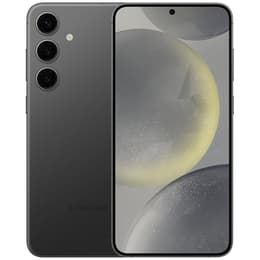
Galaxy S24+
Galaxy S24+
Starting at

Refurbished price:399.00

Versus €1,167.06 new

See options
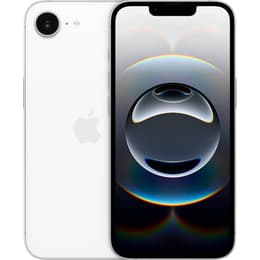
iPhone 16e
iPhone 16e
Starting at

Refurbished price:387.00

Versus €719.00 new

See options

Ratings

The Samsung Galaxy S24 Plus, released in January 2024, and the Apple iPhone 16E, introduced in February 2025, represent distinct approaches to modern smartphone design and functionality. While both devices offer robust performance and advanced features, they cater to different user preferences through their respective operating systems and hardware philosophies. The Galaxy S24 Plus operates on the Android platform, emphasizing a versatile camera system and a high-resolution display, whereas the iPhone 16E runs on iOS, focusing on a streamlined user experience and integration within the Apple ecosystem. A key difference lies in their market availability, as the iPhone 16E had a notably short retail lifespan, being discontinued in March 2026.

Scores

Durability

When considering the long-term usability of these devices, both the Galaxy S24 Plus and the iPhone 16E offer substantial software support and improved repairability, contributing to their practical lifespan.

  • Software Longevity: The Samsung Galaxy S24 Plus is notable for its extended software commitment, with Samsung providing seven years of operating system and security updates. This ensures the device remains current and secure for an extended period. The iPhone 16E, running on iOS, is part of the iPhone 16 series, which is expected to receive software updates for approximately five to seven years from its release, potentially until 2031.
  • Repairability: The Galaxy S24 Plus has demonstrated a high repairability score, often rated around 8.0 to 9.0 out of 10. Its design allows for relatively easy removal of the back plate and battery, with many internal components being replaceable without extensive disassembly. The iPhone 16 series, including the 16E, also shows significant strides in repairability, achieving a score of 7 out of 10 from iFixit. This improvement is attributed to features like easier battery replacement and access to internal components from both the front and back.
  • Practical Lifespan: Both devices are designed for sustained use, with their respective manufacturers providing long-term software support. The Galaxy S24 Plus's seven-year update policy offers a clear advantage in terms of guaranteed future compatibility. The iPhone 16E, despite its short retail availability, benefits from Apple's consistent software updates for its platform, making it a viable option for users seeking a quality-assured refurbished device.

Year of Release

2024

2025

OS

Android

iOS

Foldable

No

No

Performance

Both smartphones deliver capable performance for daily tasks and demanding applications, though they differ in their underlying architecture and available memory configurations.

  • Processing Capabilities: The Samsung Galaxy S24 Plus is powered by a current-generation processor, either the Snapdragon 8 Gen 3 or the Exynos 2400, depending on the region. This hardware enables the device to handle heavy applications, multitasking, and graphically intensive games smoothly and efficiently. The iPhone 16E features Apple's A18 chip, designed to support advanced computational tasks and Apple Intelligence features. While the 16E's A18 chip has a 4-core GPU compared to the regular iPhone 16's 5-core GPU, it still provides a responsive user experience.
  • Multitasking and Storage: The Galaxy S24 Plus comes with 12GB of RAM, facilitating seamless transitions between multiple applications and efficient background process management. It offers internal storage options of 256GB and 512GB. The iPhone 16E is equipped with 8GB of RAM and is available with 128GB, 256GB, or 512GB of internal storage. The larger RAM in the S24 Plus may offer a slight edge for users who frequently engage in heavy multitasking.
  • Battery Behavior: The Galaxy S24 Plus houses a 4900 mAh battery, which typically provides about 1.5 days or 41 hours of use on a single charge under average conditions, and can last a full day even with heavy usage. The iPhone 16E features a 4005 mAh battery, offering up to 26 hours of video playback. Real-world usage for the base iPhone 16 models suggests 15-18 hours of typical daily use. Both devices are designed to provide reliable power throughout a typical day.

Memory (GB)

12 GB

8 GB

Screen quality

Both devices feature high-quality displays that offer vibrant visuals, though with differences in resolution, refresh rate, and peak brightness.

  • Display Technology and Clarity: The Samsung Galaxy S24 Plus features a 6.7-inch QHD+ Dynamic AMOLED 2X display with a resolution of 3120x1440 pixels. This results in a sharp and detailed viewing experience. The iPhone 16E is equipped with a 6.1-inch Super Retina XDR OLED display, offering a resolution of 2532x1170 pixels at 460 pixels per inch. Both OLED panels deliver deep blacks and vibrant colors.
  • Brightness and Refresh Rate: The Galaxy S24 Plus boasts a variable refresh rate ranging from 1Hz to 120Hz, providing smooth scrolling and responsive interactions while conserving power. It also achieves a high peak brightness of 2,600 nits, enhancing visibility in bright outdoor conditions. The iPhone 16E has a standard 60Hz refresh rate. Its display offers a typical maximum brightness of 800 nits and a peak HDR brightness of 1200 nits.
  • Viewing Experience: The larger, higher-resolution display of the Galaxy S24 Plus, combined with its adaptive refresh rate and higher peak brightness, offers a more immersive and fluid visual experience, particularly for media consumption and gaming. The iPhone 16E's display provides clear and vibrant visuals suitable for everyday use, protected by Ceramic Shield technology.

Resolution

1440 x 3120

2532x1170

Audiovisual

The camera systems on the Galaxy S24 Plus and iPhone 16E are designed to capture high-quality images and videos, each with distinct configurations and capabilities.

  • Rear Camera System: The Samsung Galaxy S24 Plus features a versatile triple-camera setup on the rear, comprising a 50MP wide-angle primary camera, a 12MP ultra-wide-angle camera, and a 10MP telephoto lens with 3x optical zoom. This configuration allows for a range of photographic styles, from expansive landscapes to detailed zoomed-in shots. The iPhone 16E is equipped with a single 48MP Fusion wide-angle rear camera. This main sensor is capable of capturing super-high-resolution photos.
  • Photography Features: The Galaxy S24 Plus includes AI-powered features for photo editing, such as the ability to move or remove objects and create slow-motion videos. While its ultra-wide camera does not feature autofocus, it still delivers good photos. The iPhone 16E's camera system supports advanced features like Photonic Engine and Smart HDR 5, enhancing image quality across various lighting conditions.
  • Video Recording and Audio: Both devices offer strong video recording capabilities. The Galaxy S24 Plus can record video at up to 8K resolution at 30 frames per second. The iPhone 16E supports 4K Dolby Vision video recording and features Cinematic mode, which adds a shallow depth of field effect to videos. Both phones include stereo speakers for media consumption and multiple microphones for clear audio recording and calls.

Front camera

12 megapixels

TrueDepth 12MP

Miscellaneous

Beyond their core functionalities, both smartphones offer a range of features that enhance user interaction and connectivity, though with some differences in design and port standards.

  • Connectivity and Ports: Both the Galaxy S24 Plus and the iPhone 16E support 5G cellular networks for fast mobile data. The Galaxy S24 Plus supports Wi-Fi 6E/6 and Bluetooth 5.3, while the iPhone 16E features Wi-Fi 6 and Bluetooth 5.3. Both devices utilize a USB-C port for charging and data transfer. The iPhone 16E's USB-C port operates at USB 2.0 speeds.
  • Biometric Security and Navigation: The Galaxy S24 Plus incorporates an in-display fingerprint sensor for secure unlocking and authentication. The iPhone 16E relies on Face ID for biometric security. Both devices include NFC for mobile payments and a suite of navigation technologies including GPS.
  • Design and Handling: The Galaxy S24 Plus measures 158.5 x 75.9 x 7.7 millimeters and weighs 196 grams, featuring an aluminum frame with glass on the front and back. The iPhone 16E is slightly more compact and lighter, with dimensions of 146.7 × 71.5 × 7.8 millimeters and a weight of 167 grams. It also features an aluminum frame, a glass back, and Ceramic Shield protection on the front display. The iPhone 16E includes an Action Button, which can be customized for various functions.

Weight

197 g

167 g

Screen size (in)

6.7

6.1

Network

5G

5G

SIM card

Dual Physical SIM + eSIM

eSIM

Carrier compatibility

Unlocked

Unlocked

Connector

USB-C

USB-C

User feedback for the Samsung Galaxy S24 Plus frequently highlights its impressive display quality, robust performance, and reliable battery life as key strengths. Many users appreciate the versatility of its triple camera system and the extended software support provided by Samsung. Some common criticisms have included potential heating under heavy use and the ultra-wide camera's lack of autofocus.

For the iPhone 16E, as a more recent and entry-level model within the iPhone 16 series, general sentiment for the base iPhone 16 models points to good battery life and significant improvements over older iPhone generations. A notable aspect of the iPhone 16E is its short retail availability, having been discontinued shortly after its release. This makes it a prime candidate for those seeking an eco-friendly, quality-assured refurbished option.

Users prioritizing a large, high-resolution display with an adaptive refresh rate and a versatile multi-lens camera system may find the Samsung Galaxy S24 Plus well-suited to their needs. Its long-term software support also appeals to those who keep their devices for many years. Conversely, users who prefer the iOS ecosystem, a more compact design, and a strong single main camera for everyday photography might lean towards the iPhone 16E. While its retail lifespan was brief, its inclusion in the iPhone 16 series ensures it benefits from Apple's consistent software updates and improved repairability. Both devices offer compelling features, and the choice often comes down to individual preference for operating system, camera versatility, and display characteristics.


See all articles

Our recent comparisons