

iPhone 16e Vs iPhone SE (2022)

iPhone 16e
iPhone 16e
Starting at

Refurbished price:387.00

Versus €719.00 new

See options
iPhone SE (2022)
iPhone SE (2022)
Starting at

Refurbished price:125.55

Versus €549.00 new

See options

Ratings

The iPhone 16E, released in 2025, and the iPhone SE (2022), launched in 2022, are both Apple smartphones running the iOS operating system. While the iPhone SE (2022) maintains a classic compact design, the iPhone 16E introduces a more modern aesthetic with an edge-to-edge display and updated internal components. This comparison will explore the practical differences between these two devices, focusing on how their distinct features cater to varying user preferences and needs.

Scores

Durability

When considering the longevity of these devices, their release timelines and hardware play a significant role in expected software support and overall practical lifespan.

  • Release Timeline: The iPhone SE (2022) was released in March 2022, while the iPhone 16E was introduced in February 2025. This three-year difference means the iPhone 16E benefits from a more recent hardware foundation and a longer potential period of software updates.
  • OS Support Duration: Both devices are designed to receive multiple years of iOS updates. The iPhone SE (2022), powered by the A15 Bionic chip, is expected to receive major iOS updates for approximately 5-7 years from its release, extending its usability into the late 2020s. The iPhone 16E, featuring the newer A18 chip, will likely receive support for a longer duration, potentially into the early 2030s, offering extended software longevity.
  • Physical Durability: The iPhone SE (2022) features a glass front and back with an aluminum frame and an IP67 rating for water and dust resistance, allowing submersion up to 1 meter for 30 minutes. The iPhone 16E enhances this with a Ceramic Shield front cover and an IP68 rating, providing resistance up to 6 meters for 30 minutes, suggesting increased resilience against drops and water exposure.

Year of Release

2025

2022

OS

iOS

iOS

Foldable

No

No

Performance

The performance of a smartphone is largely determined by its internal processing capabilities, impacting everything from app responsiveness to multitasking efficiency and battery endurance.

  • Processing Power: The iPhone SE (2022) is equipped with a capable processor that handles everyday applications, web browsing, and moderate gaming smoothly. The iPhone 16E, featuring a more recent generation processor, offers enhanced speed and efficiency, resulting in faster app loading times, smoother transitions, and more robust performance for demanding applications and advanced mobile gaming.
  • Multitasking and Responsiveness: With its internal architecture, the iPhone SE (2022) provides a responsive user experience for typical daily tasks. The iPhone 16E, benefiting from increased memory and a more advanced processor, delivers superior multitasking capabilities, allowing users to switch between numerous applications with greater fluidity and maintain performance under heavier workloads.
  • Battery Behavior: The iPhone SE (2022) has a battery capacity that typically provides a full day of moderate use, though heavy usage, such as extensive gaming or video streaming, may require more frequent charging. The iPhone 16E is designed with a larger battery and a more power-efficient processor, offering significantly extended battery life, with users reporting it can last considerably longer even with intensive use.

Memory (GB)

8 GB

4 GB

Screen quality

The display is a primary interface for smartphone interaction, and the quality of the screen significantly influences the visual experience.

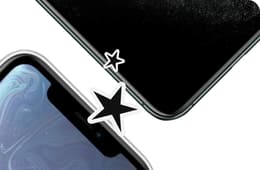
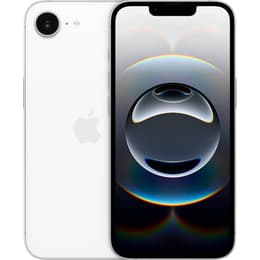
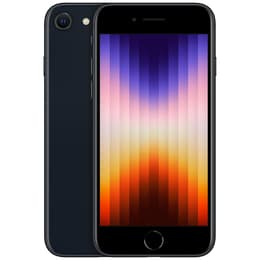
  • Display Technology and Size: The iPhone SE (2022) features a 4.7-inch Retina HD LCD display, characterized by its traditional form factor with bezels and a physical home button. In contrast, the iPhone 16E boasts a larger 6.1-inch Super Retina XDR OLED display, offering an edge-to-edge viewing experience without a home button, providing more screen real estate for content.
  • Resolution and Clarity: The iPhone SE (2022) provides a clear viewing experience with its 1334x750 pixel resolution at 326 pixels per inch (ppi). The iPhone 16E offers a higher resolution of 2532x1170 pixels at 460 ppi, resulting in sharper text and more detailed images, particularly noticeable on its larger screen.
  • Brightness and Color: Both displays offer good color accuracy, but the iPhone 16E's OLED panel delivers deeper blacks and more vibrant colors with a higher contrast ratio and greater peak brightness, enhancing visibility in bright outdoor conditions and improving HDR content viewing. The iPhone SE (2022) has a typical maximum brightness of 625 nits, while the iPhone 16E reaches 800 nits typical and up to 1200 nits for HDR content.

Resolution

2532x1170

750 x 1334

Audiovisual

Camera capabilities are a key consideration for many users, influencing the quality of photos and videos captured in various environments.

  • Rear Camera System: The iPhone SE (2022) features a single 12-megapixel wide camera that performs well in good lighting conditions, capturing detailed and color-accurate images. The iPhone 16E steps up with a 48-megapixel Fusion main camera, which, combined with advanced computational photography, offers significantly more detail and improved performance across a wider range of lighting scenarios, including a 2x optical zoom option.
  • Low-Light and Video Performance: The iPhone SE (2022) lacks a dedicated Night Mode, which can result in darker and noisier photos in low-light environments. It records 4K video up to 60 frames per second. The iPhone 16E includes Night Mode, greatly enhancing its ability to capture clear and bright images in challenging low-light conditions, and offers advanced video recording features with improved stabilization and dynamic range.
  • Front Camera and Features: The iPhone SE (2022) has a 7-megapixel front camera suitable for everyday selfies and video calls. The iPhone 16E features an upgraded 12-megapixel front camera with autofocus, providing sharper and more detailed self-portraits and supporting higher-quality video calls. Both devices support Portrait mode for both front and rear cameras.

Front camera

TrueDepth 12MP

7 megapixels

Miscellaneous

Beyond core specifications, several practical elements contribute to the overall user experience and device functionality.

  • Connectivity and Ports: Both devices support 5G (sub-6 GHz) and Wi-Fi 6 for fast wireless connectivity. However, the iPhone SE (2022) uses the Lightning port for charging and data transfer, while the iPhone 16E adopts the more universal USB-C port. The iPhone 16E also features Bluetooth 5.3, an upgrade from the iPhone SE (2022)'s Bluetooth 5.0.
  • Biometrics and Design: The iPhone SE (2022) retains the classic iPhone design with a physical home button integrating Touch ID for secure authentication. The iPhone 16E features a modern, full-screen design with Face ID for facial recognition, eliminating the home button and offering a more expansive display. The iPhone 16E also includes an Action Button, replacing the traditional mute switch, which can be customized for various functions.
  • Weight and Dimensions: The iPhone SE (2022) is a compact and lightweight device, measuring 138.4 x 67.3 x 7.3 mm and weighing 144g, making it easy for one-handed use. The iPhone 16E is slightly larger and heavier at 146.7 × 71.5 × 7.8 mm and 167g, a consequence of its larger display and updated internal components.

Weight

167 g

144 g

Screen size (in)

6.1

4.7

Network

5G

5G

SIM card

eSIM

Physical SIM + eSIM

Carrier compatibility

Unlocked

Unlocked

Connector

USB-C

Lightning

The iPhone SE (2022) and iPhone 16E cater to different user priorities, reflecting Apple's strategy to offer a range of options within its smartphone lineup. User feedback for the iPhone SE (2022) often praises its compact form factor, the familiarity and reliability of Touch ID, and its robust performance for everyday tasks, especially considering its release year. Criticisms frequently point to its dated design with thick bezels, the smaller battery capacity requiring more frequent charging for heavy users, and the limitations of its single camera system, particularly in low-light conditions.

For the iPhone 16E, initial reception highlights its modern, expansive OLED display, significantly improved camera capabilities with features like Night Mode and a higher-resolution sensor, and its extended battery life. Its advanced processor and support for Apple Intelligence are also noted as key advantages for future-proofing and enhanced functionality. Some users might find its larger size less convenient than the compact SE, and the absence of a Dynamic Island (present on higher-tier models) is a point of differentiation.

Users prioritizing a compact device, the traditional home button with Touch ID, and a familiar design for essential smartphone functions will find the iPhone SE (2022) well-suited to their needs. It remains a capable device for communication, social media, and moderate app usage. Conversely, users who value a modern, full-screen viewing experience, advanced photography and videography features, longer battery endurance, and cutting-edge performance for demanding applications and future software capabilities will likely lean towards the iPhone 16E. Both devices offer a quality-assured refurbished option, providing an eco-friendly alternative for consumers seeking to make sustainable choices.


See all articles

Our recent comparisons