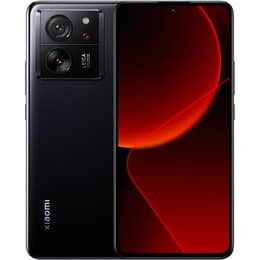


Xiaomi 13T Vs Xiaomi Redmi Note 14 4G

Xiaomi 13T
Xiaomi 13T
Starting at

Refurbished price:183.00

Versus €630.00 new

See options
Xiaomi Redmi Note 14 4G
Starting at

Refurbished price:162.00

Versus €229.99 new

See options

Ratings

The Xiaomi 13T, released in September 2023, and the Xiaomi Redmi Note 13 4G, launched in January 2024, represent distinct offerings within Xiaomi's smartphone portfolio. While both devices feature large AMOLED displays and substantial battery capacities, they cater to different user priorities through variations in processing power, camera capabilities, and overall build. This comparison will explore their practical differences to help consumers make an informed choice.

Scores

Durability

When considering the long-term usability of a smartphone, factors like software support and physical resilience are key. The Xiaomi 13T and Redmi Note 13 4G offer differing levels of durability and software longevity.

  • Software Support: The Xiaomi 13T benefits from an extended software update policy, promising four generations of Android OS upgrades and five years of security patches, ensuring a longer period of up-to-date features and security. [1, 2, 6, 9, 17] In contrast, the Redmi Note 13 4G is expected to receive two to three major Android OS updates and four years of security patches, providing a slightly shorter, but still considerable, support window. [13, 18, 26, 34, 35]
  • Physical Durability: The Xiaomi 13T features an IP68 rating for dust and water resistance, indicating a higher level of protection against environmental elements. [36, 38] It also uses Corning Gorilla Glass 5 for screen protection. The Redmi Note 13 4G comes with an IP54 rating, offering splash and dust resistance, and is protected by Corning Gorilla Glass 3. [10, 11, 15]
  • Expected Lifespan: Users prioritizing maximum software longevity and robust environmental protection may find the Xiaomi 13T better suited for extended use. The Redmi Note 13 4G still offers a respectable lifespan, particularly for those who do not require the highest level of ingress protection or the absolute latest software updates for the longest duration.

Year of Release

2023

2025

OS

Android

Android

Foldable

No

No

Performance

Performance is a critical aspect for daily smartphone use, influencing everything from app responsiveness to gaming experiences. The Xiaomi 13T and Redmi Note 13 4G are equipped with different internal components that result in varied performance profiles.

  • Processing Power: The Xiaomi 13T is designed for demanding applications and multitasking, offering smooth operation even with graphically intensive games and complex software. Users report that it handles heavy apps and gaming smoothly. [19] The Redmi Note 13 4G, while capable for everyday tasks, provides a more modest performance suitable for general browsing, social media, and casual gaming. [16, 27]
  • Multitasking and Responsiveness: With its more capable internal architecture, the Xiaomi 13T generally offers a more fluid and responsive user experience, allowing for quicker app loading and seamless transitions between multiple open applications. The Redmi Note 13 4G performs well for its class, managing multitasking effectively for typical user scenarios. [16]
  • Storage and Memory: Both devices offer ample storage options, with the Xiaomi 13T typically featuring 256GB of internal storage and 8GB or 12GB of RAM. [3, 9] The Redmi Note 13 4G provides 128GB or 256GB of internal storage and 6GB or 8GB of RAM, with the added flexibility of expandable storage via a microSDXC card. [4, 10, 11, 23]

Memory (GB)

8 GB

6 GB

Screen quality

The display is the primary interface for smartphone interaction, and both the Xiaomi 13T and Redmi Note 13 4G offer vibrant viewing experiences, though with some key distinctions.

  • Display Technology and Clarity: Both phones feature 6.67-inch AMOLED displays, known for deep blacks and vibrant colors. The Xiaomi 13T offers a higher resolution of 1220 x 2712 pixels, resulting in a sharper image compared to the Redmi Note 13 4G's 1080 x 2400 pixel resolution. [3, 8, 9, 10, 11]
  • Brightness and Smoothness: The Xiaomi 13T boasts a higher peak brightness of 2600 nits and a refresh rate of 144Hz, providing exceptionally smooth scrolling and excellent visibility even in bright outdoor conditions. [2, 5, 8, 9, 19, 30, 36] The Redmi Note 13 4G also offers a bright display with a peak brightness of 1800 nits and a smooth 120Hz refresh rate, which enhances the viewing experience for daily use. [4, 10, 16, 27, 31]
  • Viewing Experience: Users who prioritize a sharper, brighter, and smoother display for media consumption, gaming, or detailed work will find the Xiaomi 13T's screen capabilities more advanced. The Redmi Note 13 4G still delivers a very good visual experience for general use and multimedia.

Resolution

1220 x 2712

1080x2400

Audiovisual

For many users, the camera system is a decisive factor. The Xiaomi 13T and Redmi Note 13 4G approach photography with different hardware and software philosophies.

  • Rear Camera System: The Xiaomi 13T features a versatile triple camera setup, including a 50-megapixel main sensor with optical image stabilization (OIS), a 50-megapixel telephoto lens with 2x optical zoom, and a 12-megapixel ultrawide lens, co-engineered with Leica for enhanced image processing. [3, 5, 8, 9, 21, 25] The Redmi Note 13 4G also has a triple camera system, highlighted by a 108-megapixel main sensor with OIS, an 8-megapixel ultrawide, and a 2-megapixel macro lens. [4, 10, 11, 16, 20]
  • Photography Performance: The Xiaomi 13T is noted for its strong performance in various lighting conditions, with users praising its night mode and portrait capabilities, offering clarity and vivid colors. [19, 22] The Redmi Note 13 4G's 108-megapixel main camera captures detailed photos in good lighting, and its overall camera performance is considered good for everyday use. [16, 20, 27, 32]
  • Video Recording and Audio: The Xiaomi 13T supports 4K video recording at 30fps, providing higher resolution video capture. [9] The Redmi Note 13 4G records video at up to 1080p at 30fps. [10, 32] Both devices offer stereo speakers, with the Xiaomi 13T providing clear audio, while the Redmi Note 13 4G also delivers a good media consumption experience. [21, 23]

Miscellaneous

Beyond the core specifications, several other features contribute to the overall user experience and practical utility of a smartphone. The Xiaomi 13T and Redmi Note 13 4G offer different sets of connectivity, design, and convenience features.

  • Connectivity and Ports: The Xiaomi 13T supports 5G connectivity, Wi-Fi 6, and Bluetooth 5.4, offering faster wireless speeds and more advanced connections. [8] It features a USB-C 2.0 port. The Redmi Note 13 4G provides 4G connectivity, Wi-Fi 5, and Bluetooth 5.1. [10, 11] It includes a USB-C 2.0 port and retains a 3.5mm headphone jack, which may be a consideration for users with wired audio accessories. [10]
  • Design and Handling: The Xiaomi 13T has dimensions of 162.2 x 75.7 x 8.5 mm and weighs around 193-197 grams, depending on the back material. [36, 38] The Redmi Note 13 4G is slightly lighter and thinner at 162.3 x 75.6 x 8 mm and 188 grams. [10, 11] Both devices feature an in-display optical fingerprint sensor for secure unlocking. [5, 10]
  • Additional Features: The Xiaomi 13T offers a premium feel with its build materials and IP68 rating. The Redmi Note 13 4G includes an IR blaster, a common feature in Redmi devices for controlling home electronics. [25, 29]

Weight

193 g

196 g

Screen size (in)

6.67

6.67

Network

5G

4G

SIM card

Dual Physical SIM

Physical SIM + eSIM

Carrier compatibility

Unlocked

Unlocked

The Xiaomi 13T and Xiaomi Redmi Note 13 4G cater to different segments of the smartphone market, each with its own strengths and user appeal. User feedback for the Xiaomi 13T often highlights its strong camera performance, particularly with its Leica-tuned system, and its vibrant, high-refresh-rate display. [19, 21, 25] Its powerful processing capabilities are also frequently praised for handling demanding tasks smoothly. [19] Some users, however, have noted that its battery life, while generally lasting a full day, might be considered average compared to some competitors, and the device can be prone to collecting fingerprints on its glass back. [22, 30]

For the Redmi Note 13 4G, common praise points include its impressive AMOLED display with good brightness and a smooth refresh rate, especially considering its positioning. [16, 27, 32] Users also appreciate its reliable battery life and decent camera performance for everyday photography. [16, 20, 27, 32] Criticisms sometimes point to the lack of 4K video recording and the performance, while good for its class, not being suited for the most intensive applications. [27, 32]

Users prioritizing a more advanced camera system, higher display resolution and refresh rate, and a more powerful processor for gaming and heavy multitasking may prefer the Xiaomi 13T. Its extended software support and higher ingress protection also contribute to a longer-term, more robust experience. Conversely, users who value a solid all-around smartphone for daily tasks, good battery life, and expandable storage, without needing the absolute highest performance or advanced camera features, will find the Redmi Note 13 4G well-suited to their needs. Both devices offer compelling options, and choosing a quality-assured refurbished model can be an eco-friendly alternative to extend their lifecycle.
See all articles

Our recent comparisons