

Galaxy S20 FE Vs Google Pixel 7A

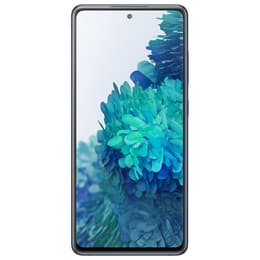
Galaxy S20 FE
Galaxy S20 FE
Starting at

Refurbished price:151.00

Versus €779.00 new

See options
Google Pixel 7A
Google Pixel 7A
Starting at

Refurbished price:172.00

Versus €649.99 new

See options

Ratings

The Samsung Galaxy S20 FE, released in October 2020, and the Google Pixel 7a, launched in May 2023, are both smartphones designed to offer a balanced experience. While the Galaxy S20 FE aimed to bring flagship features to a wider audience, the Pixel 7a focuses on delivering Google's signature software and camera capabilities in a more accessible package. Both devices operate on the Android platform, but they differ significantly in their release timelines and core hardware philosophies.

Scores

Durability

When considering the practical lifespan of these devices, their respective release dates and software support policies are key factors. The Galaxy S20 FE, being an older model, has a shorter remaining software support window compared to the more recent Pixel 7a.

  • Release Timeline: The Galaxy S20 FE was released in October 2020, making it over three years old, while the Pixel 7a launched in May 2023. This difference in age directly impacts their future software longevity.
  • OS Support Duration: The Galaxy S20 FE launched with Android 10 and received updates up to Android 13. Its major OS updates have concluded. The Pixel 7a, launched with Android 13, is expected to receive OS updates until at least May 2026 and security updates until May 2028.
  • Repairability: The Galaxy S20 FE generally scores well for repairability, with some components being accessible with effort. The Pixel 7a initially received a lower repairability score but was later uprated, with genuine parts and repair guides available through partnerships, making DIY repairs more feasible.

Year of Release

2020

2023

Compatible with latest Update

No

Yes

OS

Android

Android

Foldable

No

No

Performance

The performance of a smartphone is crucial for daily tasks, from app usage to multitasking and gaming. Both the Galaxy S20 FE and the Pixel 7a offer capable performance, though they achieve it with different underlying hardware.

  • Processing Power: The Galaxy S20 FE (5G variant) is equipped with a processor that delivered strong performance for its time, handling demanding applications and multitasking smoothly. The Pixel 7a features a more recent, custom-designed processor that provides efficient performance for everyday use and advanced AI-driven features, often rivaling more expensive devices in responsiveness.
  • Multitasking and Storage: Both devices offer ample RAM for smooth multitasking. The Galaxy S20 FE comes with 6GB or 8GB of RAM and offers expandable storage via a microSD card slot, providing flexibility for users with large media libraries. The Pixel 7a typically comes with 8GB of RAM and 128GB of internal storage, which is not expandable.
  • Battery Behavior: The Galaxy S20 FE houses a 4500 mAh battery, generally providing sufficient power for a full day of moderate use. The Pixel 7a has a 4385 mAh battery, and while it can last a full day for many users, heavy usage might require more frequent charging.

Memory (GB)

6 GB

8 GB

Screen quality

The display is a primary interface for any smartphone, and both the Galaxy S20 FE and Pixel 7a offer vibrant viewing experiences with distinct characteristics.

  • Display Technology and Size: The Galaxy S20 FE features a 6.5-inch Super AMOLED display, known for its deep blacks and vibrant colors. The Pixel 7a has a slightly smaller 6.1-inch OLED display, which also delivers rich contrast and color accuracy.
  • Resolution and Clarity: Both phones offer a Full HD+ resolution (1080 x 2400 pixels), resulting in sharp images and text with a pixel density of around 407 ppi for the S20 FE and 431 ppi for the Pixel 7a.
  • Refresh Rate and Brightness: The Galaxy S20 FE provides a smoother scrolling experience with its 120Hz refresh rate. The Pixel 7a offers a 90Hz refresh rate, which is also a noticeable improvement over standard 60Hz displays. Both displays offer good brightness levels for visibility in various lighting conditions, including outdoor use.

Resolution

1080 x 2400

1080 x 2400

Screen type

Super AMOLED

OLED

Audiovisual

Camera performance is a significant consideration for many smartphone users, and both the Galaxy S20 FE and Pixel 7a excel in different aspects of mobile photography.

  • Rear Camera Systems: The Galaxy S20 FE features a versatile triple-camera setup, including a 12MP wide, 12MP ultrawide, and an 8MP telephoto lens with 3x optical zoom, offering flexibility for various shooting scenarios. The Pixel 7a boasts a highly capable dual-camera system with a 64MP main sensor and a 13MP ultrawide lens, leveraging advanced computational photography for detailed and color-accurate images.
  • Low-Light and Video Quality: The Pixel 7a is particularly noted for its strong low-light performance and advanced image processing, producing clear photos even in challenging conditions. Both devices are capable of recording 4K video at 30 or 60 frames per second, providing good detail for video content.
  • Front Camera and Audio: The Galaxy S20 FE includes a high-resolution 32MP front camera for detailed selfies. The Pixel 7a features a 13MP ultrawide front camera, suitable for group selfies. Both phones offer stereo speakers for media consumption and generally provide clear microphone quality for calls and recordings.

Main camera

12 megapixels

64 megapixels

Front camera

32 megapixels

13 megapixels

Miscellaneous

Beyond the core specifications, several practical features contribute to the overall user experience and differentiate these two smartphones.

  • Connectivity: Both devices support 5G connectivity (for the 5G variant of S20 FE), ensuring fast mobile data speeds. The Pixel 7a supports Wi-Fi 6E and Bluetooth 5.3, offering slightly newer standards than the Galaxy S20 FE's Wi-Fi 6 and Bluetooth 5.0. Both include NFC for contactless payments.
  • Ports and Biometrics: Both phones utilize a USB-C port for charging and data transfer. Neither device includes a traditional 3.5mm headphone jack. For security, the Galaxy S20 FE features an in-display ultrasonic fingerprint sensor, while the Pixel 7a uses an optical in-display fingerprint sensor and also offers face unlock.
  • Build and Durability: The Galaxy S20 FE has a plastic back with a metal frame and is IP68 rated for dust and water resistance. The Pixel 7a features a plastic back made from recycled materials, an aluminum frame, and is IP67 rated for dust and water resistance.

Weight

190 g

193 g

Screen size (in)

6.5

6.1

Network

4G

5G

SIM card

Dual Physical SIM

Physical SIM + eSIM

Carrier compatibility

Unlocked

Unlocked

User feedback for the Samsung Galaxy S20 FE often highlights its vibrant display, capable camera system, and solid performance for its generation. Many appreciated its balance of features, especially the inclusion of expandable storage and wireless charging. Some users noted the plastic back as a departure from more premium materials, though it also contributed to its durability. The Pixel 7a is frequently praised for its exceptional camera quality, leveraging Google's computational photography, and its smooth, bloatware-free Android experience. Its compact size and consistent performance are also common positive points. Criticisms sometimes revolve around its battery life for heavy users and slower charging speeds compared to some competitors, as well as a tendency to warm up during intensive tasks.

Users prioritizing a larger display, expandable storage, and a slightly higher refresh rate may find the Galaxy S20 FE well-suited to their needs. Its established feature set and robust build make it a practical choice. Conversely, users who value cutting-edge computational photography, a more compact form factor, and a longer period of software updates will likely lean towards the Pixel 7a. Its focus on a pure Android experience and advanced AI features caters to those seeking Google's latest software innovations. Both devices represent strong options in their respective categories, and choosing between them depends on individual priorities for display size, camera processing, and long-term software support. Exploring quality-assured refurbished options for either model can also be a sustainable choice for consumers.


See all articles

Our recent comparisons