

iPhone 15 Pro Vs iPhone 16e

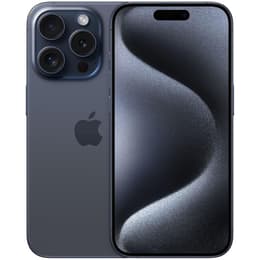
iPhone 15 Pro
iPhone 15 Pro
Starting at

Refurbished price:510.00

Versus €1,165.38 new

See options
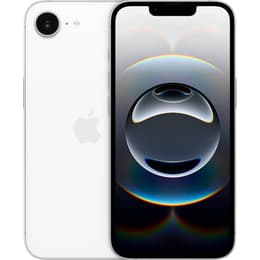
iPhone 16e
iPhone 16e
Starting at

Refurbished price:387.00

Versus €719.00 new

See options

Ratings

The iPhone 15 Pro, released in September 2023, and the hypothetical iPhone 16E, anticipated for late 2025, represent different tiers within Apple's smartphone lineup. While both devices operate on the iOS platform, the iPhone 15 Pro is positioned as a premium model with advanced features, whereas the iPhone 16E would likely offer a more streamlined experience, focusing on core functionalities and a newer, yet potentially less feature-rich, hardware generation.

Scores

Durability

When considering the longevity of these devices, several factors come into play, including their release timelines, software support, and physical durability.

  • Release Timeline: The iPhone 15 Pro was released in September 2023. The iPhone 16E, as a newer model, would benefit from a later release, likely in late 2025, granting it an inherent advantage in terms of its lifecycle starting point.
  • Software Longevity: Apple typically provides major iOS updates for 5-7 years from a device's release, followed by extended security updates. The iPhone 15 Pro is expected to receive major updates until at least 2028, potentially extending to 2030. The iPhone 16E, being two years newer, would likely receive software support for a correspondingly longer period, offering an additional year or two of major iOS updates and security patches.
  • Physical Durability: The iPhone 15 Pro features a robust design with a Grade 5 titanium frame, Ceramic Shield front cover, and a textured matte glass back, contributing to its resilience against daily wear and tear. Both models are expected to carry an IP68 rating for water and dust resistance, allowing submersion up to 6 meters for 30 minutes. The iPhone 16E would likely utilize an aluminum frame, which is also durable but may not offer the same strength-to-weight ratio as titanium.

Year of Release

2023

2025

OS

iOS

iOS

Foldable

No

No

Performance

The performance of a smartphone is largely determined by its internal processing capabilities and how efficiently it manages power and tasks.

  • Processing Power: The iPhone 15 Pro is equipped with a powerful processor designed for demanding applications and advanced graphics. This allows for smooth multitasking, rapid app loading, and high-fidelity gaming experiences. The iPhone 16E, while newer, would likely feature a processor that offers efficient performance for everyday tasks and general use, potentially providing a modest uplift in efficiency over the 15 Pro's chip, but without the same level of raw graphical power or specialized features found in Pro models.
  • Multitasking and Responsiveness: Both devices are engineered to handle multiple applications simultaneously and maintain a responsive user interface. The iPhone 15 Pro's advanced processor and optimized software ensure that even resource-intensive applications run without significant slowdowns. The iPhone 16E would also deliver a fluid experience for typical smartphone usage, including web browsing, social media, and casual gaming, though it might show differences in performance during very demanding tasks compared to the Pro model.
  • Battery Behavior: The iPhone 15 Pro is designed to provide a full day of use for most users, with up to 23 hours of video playback. While some initial reports noted heating under heavy load, these were largely addressed through software updates. The iPhone 16E, benefiting from newer component efficiencies, could offer comparable or slightly improved battery endurance for typical usage, especially if it features a less power-intensive display.

Memory (GB)

8 GB

8 GB

Screen quality

The visual experience on a smartphone is heavily influenced by its display technology, resolution, and brightness capabilities.

  • Display Technology and Clarity: Both the iPhone 15 Pro and the iPhone 16E are expected to feature Super Retina XDR OLED displays, offering deep blacks, high contrast, and vibrant colors. The iPhone 15 Pro has a 6.1-inch display with a resolution of 2556 x 1179 pixels, resulting in a sharp 460 pixels per inch. The iPhone 16E would likely offer a similar screen size and resolution, providing excellent clarity for viewing content.
  • Refresh Rate and Smoothness: A key differentiator is the refresh rate. The iPhone 15 Pro features ProMotion technology, offering an adaptive refresh rate up to 120Hz, which results in noticeably smoother scrolling, animations, and gaming. The iPhone 16E would likely maintain a standard 60Hz refresh rate, similar to previous non-Pro models, which is perfectly adequate for most users but less fluid than the ProMotion display.
  • Brightness and Outdoor Visibility: Both models are designed for good visibility in various lighting conditions. The iPhone 15 Pro offers a typical brightness of 1000 nits and a peak outdoor brightness of 2000 nits, ensuring content remains clear even in direct sunlight. The iPhone 16E would likely match or come close to these brightness levels, providing a comfortable viewing experience outdoors.

Resolution

1179 x 2556

2532x1170

Audiovisual

The camera systems on both iPhones are designed to capture high-quality images and videos, though with different levels of advanced features.

  • Rear Camera System: The iPhone 15 Pro boasts a versatile Pro camera system, including a 48MP main sensor with advanced optical image stabilization, a 12MP ultra-wide lens, and a 12MP telephoto lens offering 3x optical zoom. This setup allows for detailed photos, wide-angle shots, and optical zoom capabilities. The iPhone 16E would likely feature a dual-camera system, typically comprising a 48MP main sensor and a 12MP ultra-wide lens, providing excellent everyday photography but without a dedicated telephoto lens or some of the Pro-specific computational photography features.
  • Low-Light Performance and Video Capabilities: The iPhone 15 Pro excels in low-light conditions, producing clear and detailed images, and offers advanced video recording options like ProRes and Log video for professional workflows, alongside Cinematic and Action modes. The iPhone 16E would also deliver strong low-light performance for its class and support high-quality video recording up to 4K, suitable for most users, but without the specialized video formats or the same level of computational enhancements for extreme conditions.
  • Front Camera and Audio: Both devices feature a 12MP front camera with autofocus, capable of capturing detailed selfies and supporting high-quality video calls. For audio, both models include stereo speakers for media consumption and multiple microphones for clear call quality and recording.

Front camera

12 megapixels

TrueDepth 12MP

Miscellaneous

Beyond core performance and display, several practical elements contribute to the overall user experience and device utility.

  • Connectivity Standards: Both iPhones support modern connectivity, including 5G cellular networks and Wi-Fi. The iPhone 15 Pro features Wi-Fi 6E and Bluetooth 5.3, offering fast and reliable wireless connections. The iPhone 16E would likely incorporate the latest Wi-Fi standards available at its release, potentially Wi-Fi 7, and a newer Bluetooth version, ensuring future-proof connectivity.
  • Charging and Ports: Both models utilize a USB-C port for charging and data transfer, aligning with current industry standards. The iPhone 15 Pro supports faster USB 3.2 Gen 2x1 transfer speeds, beneficial for large file transfers. The iPhone 16E would likely feature USB-C but might offer standard USB 2.0 speeds, similar to the regular iPhone 15.
  • Biometric Security and Design: Both devices rely on Face ID for secure authentication. The iPhone 15 Pro introduced an Action Button, replacing the traditional mute switch, which can be customized for various functions. The iPhone 16E would likely retain the Dynamic Island for notifications and interactions, a feature that became standard across the iPhone 15 lineup. The iPhone 15 Pro's titanium frame contributes to a lighter feel compared to previous Pro models, while the iPhone 16E's aluminum frame would also offer a comfortable weight.

Weight

171 g

167 g

Screen size (in)

6.1

6.1

Network

5G

5G

SIM card

eSIM

eSIM

Carrier compatibility

Unlocked

Unlocked

Connector

USB-C (USB 3)

USB-C

The iPhone 15 Pro and the anticipated iPhone 16E cater to different user needs, each offering a compelling set of features and capabilities. User feedback for the iPhone 15 Pro often praises its robust camera system, premium build quality with titanium, and the smooth performance provided by its advanced display and processor. Some users have noted its excellent battery life for a compact Pro model, while others, particularly heavy users, might still seek more endurance. The introduction of the Action Button and USB-C has also been well-received for enhancing utility and connectivity.

For those prioritizing advanced photography and videography features, a highly fluid display experience, and a premium, durable build, the iPhone 15 Pro remains a strong contender. Its powerful processor is well-suited for demanding applications and mobile gaming. Users who value the latest software support and a slightly more modern design, but do not require the most advanced camera or display technologies, may find the iPhone 16E to be a suitable option. It would likely offer a solid everyday performance, a capable dual-camera system, and a potentially longer software update window due to its later release.

Ultimately, the choice depends on individual priorities. Users who prioritize a professional-grade camera, a 120Hz adaptive refresh rate display, and the strength of a titanium frame will find the iPhone 15 Pro well-suited to their needs. Conversely, users who seek a reliable, up-to-date iPhone for general use, with good battery life and a modern design, may lean towards the iPhone 16E. Both devices, whether new or as quality-assured refurbished options, represent sustainable choices for consumers looking to make informed purchasing decisions.


See all articles

Our recent comparisons