

iPhone 16 Pro Vs iPhone 16e

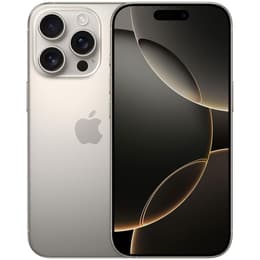
iPhone 16 Pro
iPhone 16 Pro
Starting at

Refurbished price:650.00

Versus €1,239.00 new

See options
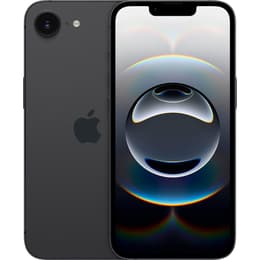
iPhone 16e
iPhone 16e
Starting at

Refurbished price:387.00

Versus €719.00 new

See options

Ratings

The iPhone 16 Pro, released in September 2024, and the iPhone 16E, launched in February 2025, represent distinct offerings within Apple's smartphone lineup. While both devices operate on the iOS platform and integrate Apple Intelligence features, they cater to different user priorities through variations in their display technology, camera systems, and overall performance capabilities. The iPhone 16 Pro is designed for users seeking advanced features and premium specifications, whereas the iPhone 16E focuses on delivering a streamlined experience with core functionalities.

Scores

Durability

When considering the longevity of these devices, both the iPhone 16 Pro and iPhone 16E offer robust software support and physical durability features.

  • Release Timeline: The iPhone 16 Pro was introduced in September 2024, while the iPhone 16E followed in February 2025, making the 16E slightly newer in terms of its market debut.
  • Software Longevity: Both models come pre-installed with iOS 18 and are expected to receive several years of operating system updates, with support extending to iOS 26 and beyond, ensuring a prolonged period of access to new features and security enhancements.
  • Physical Durability: Both devices feature Ceramic Shield protection on the front display, contributing to enhanced drop performance. The iPhone 16 Pro utilizes a titanium frame, offering a balance of strength and reduced weight, while the iPhone 16E features an aluminum frame. Both models also carry an IP68 rating for water and dust resistance, providing protection against immersion.

Year of Release

2024

2025

Foldable

No

No

Performance

The performance capabilities of the iPhone 16 Pro and iPhone 16E are tailored to different user demands, primarily influenced by their internal processing units and memory configurations.

  • Processing Power: The iPhone 16 Pro is equipped with a more advanced A18 Pro chip, which includes additional graphics cores, providing enhanced performance for demanding applications, intensive gaming, and complex computational tasks. The iPhone 16E features the A18 chip, offering robust performance for everyday tasks, smooth app navigation, and efficient multitasking, though with a less powerful GPU compared to its Pro counterpart.
  • Multitasking and Responsiveness: The iPhone 16 Pro typically includes more RAM, allowing for smoother transitions between numerous open applications and more efficient handling of memory-intensive workflows. The iPhone 16E provides a responsive experience for general use, handling common apps and moderate multitasking effectively.
  • Storage Options: The iPhone 16 Pro offers a wider range of storage capacities, extending up to 1TB, catering to users who require extensive space for high-resolution media and large applications. The iPhone 16E is available with up to 512GB of internal storage, which is ample for most users' needs.

Memory (GB)

8 GB

8 GB

Screen quality

The visual experience on the iPhone 16 Pro and iPhone 16E differs in key aspects, with the Pro model offering a more advanced display technology.

  • Display Technology and Size: The iPhone 16 Pro features a larger 6.3-inch Super Retina XDR OLED display with ProMotion technology, allowing for adaptive refresh rates up to 120Hz. This results in smoother scrolling and more fluid animations. The iPhone 16E comes with a 6.1-inch Super Retina XDR OLED display, providing vibrant colors and deep blacks, but with a standard refresh rate.
  • Brightness and Clarity: The iPhone 16 Pro offers higher peak brightness levels, which improves visibility in bright outdoor conditions and enhances HDR content viewing. Both displays deliver sharp text and clear images, with the iPhone 16 Pro benefiting from slightly thinner bezels for a more expansive viewing area within a similar physical footprint.
  • Viewing Experience: Users who prioritize a highly responsive and immersive visual experience, particularly for gaming or fast-paced content, will find the ProMotion display of the iPhone 16 Pro more beneficial. The iPhone 16E provides a high-quality viewing experience suitable for everyday media consumption and general use.

Resolution

1206 x 2622

2532x1170

Audiovisual

The camera systems are a primary differentiator between the iPhone 16 Pro and iPhone 16E, with the Pro model offering a more versatile and advanced setup for photography and videography enthusiasts.

  • Rear Camera System: The iPhone 16 Pro boasts a triple-camera system, including a 48MP main sensor, a 48MP ultra-wide lens, and a 12MP telephoto lens with 5x optical zoom, enabling a wide range of photographic possibilities from expansive landscapes to detailed close-ups. It also supports advanced features like ProRes video recording and DNG RAW image capture. The iPhone 16E features a single 48MP main camera with an optical-quality 2x telephoto capability, providing good image quality for everyday photos and portraits.
  • Low-Light Performance and Features: The iPhone 16 Pro's larger sensors and advanced image processing contribute to superior low-light performance and more detailed images across various lighting conditions. It also offers macro photography capabilities through its ultra-wide lens. While the iPhone 16E performs well in adequate lighting, its low-light capabilities are more standard, and it lacks a dedicated macro mode.
  • Video Recording and Audio: The iPhone 16 Pro supports 4K video recording at up to 120 frames per second, offering more options for slow-motion and professional-grade video production. Both devices offer quality video recording and clear audio capture for calls and media, with the iPhone 16E supporting 4K video up to 60 frames per second.

Front camera

12 megapixels

TrueDepth 12MP

Miscellaneous

Beyond core performance and display, several practical features and design elements distinguish the iPhone 16 Pro and iPhone 16E, impacting daily usability and connectivity.

  • Connectivity and Ports: The iPhone 16 Pro supports Wi-Fi 7, offering faster wireless speeds and improved network efficiency, while the iPhone 16E utilizes Wi-Fi 6. Both models feature USB-C for charging and data transfer, aligning with modern connectivity standards.
  • Build Materials and Handling: The iPhone 16 Pro features a titanium frame, contributing to a premium feel and enhanced durability, and is slightly taller, wider, and heavier than its predecessor. The iPhone 16E uses an aluminum frame, offering a lighter build and a design reminiscent of earlier iPhone models, with a 6.1-inch screen size.
  • Additional Features: The iPhone 16 Pro includes MagSafe compatibility for magnetic accessories and wireless charging, a feature not present on the iPhone 16E. Both devices incorporate Face ID for secure authentication. The iPhone 16 Pro also features a dedicated Camera Control button for quick access to camera functions.

Weight

199 g

167 g

Screen size (in)

6.3

6.1

Network

5G

5G

SIM card

eSIM

eSIM

Carrier compatibility

Unlocked

Unlocked

Connector

USB-C (USB 3)

USB-C

User feedback and general consensus highlight distinct strengths for both the iPhone 16 Pro and the iPhone 16E. The iPhone 16 Pro is frequently praised for its advanced camera system, particularly its versatility with multiple lenses, enhanced low-light performance, and professional video capabilities. Users also appreciate its ProMotion display for its smooth visuals and the robust performance delivered by the A18 Pro chip, making it well-suited for demanding tasks and immersive entertainment. Some common observations note its larger size and weight compared to the 16E.

Conversely, the iPhone 16E receives positive remarks for its solid everyday performance, reliable battery life, and the inclusion of core iPhone features in a more streamlined package. Its design, often compared to the iPhone 14, is seen as a comfortable and familiar form factor. Criticisms sometimes point to its less advanced camera system and the absence of features like ProMotion and MagSafe, which are present in the Pro models.

Users prioritizing a top-tier mobile photography and videography experience, along with the smoothest possible display and maximum processing power for intensive applications, will likely find the iPhone 16 Pro to be the more suitable choice. Its advanced features cater to creative professionals and power users. On the other hand, users who value a dependable iPhone experience for daily communication, social media, and general content consumption, without needing the most advanced camera or display technologies, may prefer the iPhone 16E. It offers a strong balance of essential features and performance.

For those considering either device, exploring quality-assured refurbished options can provide an eco-friendly alternative, allowing access to these technologies while making a sustainable choice.


See all articles

Our recent comparisons