
iPhone 15 Vs iPhone 16e

iPhone 15
iPhone 15
Starting at
€438.00
€879.00 new
See options
iPhone 16e
iPhone 16e
Starting at
€429.00
€719.00 new
See options

Ratings

The iPhone 15, released in September 2023, and the iPhone 16e, introduced in February 2025, represent distinct offerings within Apple's smartphone lineup. While the iPhone 15 serves as a mainstream flagship from the previous generation, the iPhone 16e is positioned as an entry-level model, succeeding the iPhone SE series. They both run on Apple's iOS operating system, but the 16e introduces a newer processor and some updated features, albeit with a design reminiscent of earlier iPhone models.

Scores

Durability

Evaluating the practical lifespan of these devices involves considering their release timelines and expected software support.

  • Release timeline and age: The iPhone 15 was released in September 2023, making it two years older than the iPhone 16e, which launched in February 2025. This difference directly impacts their respective positions in Apple's update cycle.
  • OS support duration and software longevity: Both devices are expected to receive several years of iOS updates. However, the iPhone 16e, being the newer device, will naturally benefit from a longer period of major software updates and ongoing security patches. The iPhone 16e launched with iOS 18.3 and supports iOS 26, similar to the iPhone 16. The iPhone 15 launched with iOS 17 and is compatible with iOS 18 and iOS 26.
  • Repairability: The iPhone 16e, as part of the iPhone 16 lineup, shows significant improvements in repairability, receiving a score of 7 out of 10 from iFixit. This is a notable increase from the iPhone 15 series, which scored 4 out of 10. These improvements include an enhanced internal layout, making components like the battery and cameras more accessible for repair.

Year of Release

2023

2025

OS

iOS

iOS

Foldable

No

No

Performance

Processor, RAM, and storage configurations are key to a smartphone's performance for daily tasks and demanding applications.

  • Processor capabilities: The iPhone 15 is powered by the A16 Bionic chip, offering robust performance for a wide range of applications and multitasking. The iPhone 16e features the newer A18 chip, which provides a significant leap in performance and efficiency, especially for tasks leveraging Apple Intelligence. While both offer smooth operation, the A18 in the 16e, even with its 4-core GPU variant, provides more headroom for future software and intensive applications.
  • RAM implications for multitasking: The iPhone 15 comes with 6GB of RAM, which handles multitasking effectively. The iPhone 16e, however, boasts 8GB of RAM, providing improved capacity for running multiple applications simultaneously and managing more demanding processes smoothly.
  • Storage options: Both devices offer identical internal storage configurations, starting from 128GB and extending to 512GB, providing ample space for apps, photos, and videos.

Memory

6 GB

8 GB

Screen quality

The visual experience on both iPhones is delivered through their respective displays, with some key distinctions.

  • Display technology and resolution: Both the iPhone 15 and iPhone 16e feature a 6.1-inch Super Retina XDR OLED display, offering vibrant colors and deep blacks. The iPhone 15 has a resolution of 2556x1179 pixels at 460 ppi. The iPhone 16e has a resolution of 2532x1170 pixels at 460 ppi, which is similar to the iPhone 14 display.
  • Brightness levels: The iPhone 15 boasts a peak outdoor brightness of up to 2000 nits, ensuring excellent visibility even in bright sunlight. The iPhone 16e offers a typical max brightness of 800 nits and a peak HDR brightness of 1200 nits.
  • Refresh rate and viewing experience: Both models maintain a standard 60Hz refresh rate, which provides a consistent viewing experience for everyday use. Neither supports the higher ProMotion refresh rates found in Pro models, meaning scrolling and gaming will be smooth but not as fluid as devices with 120Hz displays.

Resolution

1179 x 2556

2532x1170

Audiovisual

The camera systems on the iPhone 15 and iPhone 16e offer distinct configurations and capabilities for capturing photos and videos.

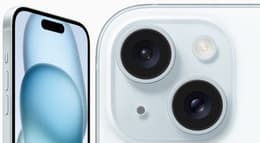
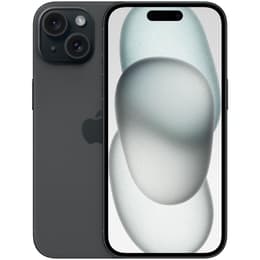
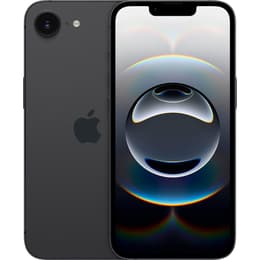
  • Rear camera system: The iPhone 15 features an advanced dual-camera system with a 48MP main sensor and a 12MP ultrawide lens, supporting 2x optical zoom through sensor cropping. The iPhone 16e comes with a 2-in-1 rear 48MP Fusion camera, which functions as a single lens but also enables 2x optical-quality telephoto through cropping, similar to the iPhone 15. It does not include a dedicated ultrawide camera.
  • Photography performance: Both devices excel in everyday photography, with the 48MP main sensors capturing detailed images. The iPhone 15's dual-camera setup provides more versatility with its dedicated ultrawide lens for wider scenes. The iPhone 16e's Fusion camera focuses on delivering high-resolution main shots and effective 2x telephoto. Both support features like Night mode, Photographic Styles, and Smart HDR.
  • Video recording quality: Both iPhones are capable of recording 4K video at various frame rates, including 60fps, and offer cinematic mode. The iPhone 16e also features spatial video capture.

Front camera

12 megapixels

TrueDepth 12MP

Miscellaneous

Beyond core performance, several practical elements differentiate the user experience of these two iPhones.

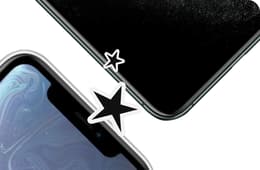
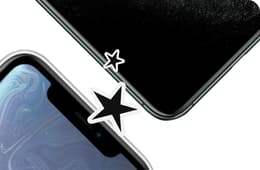
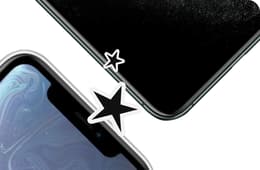
  • Design and physical features: The iPhone 15 features the Dynamic Island, a pill-shaped cutout that adapts to alerts and activities, along with an aluminum design and color-infused glass back. The iPhone 16e, while having an aluminum design and Ceramic Shield front, features a traditional notch for its TrueDepth camera system and includes the new Action Button that replaces the mute switch, allowing for quick access to various functions.
  • Connectivity and ports: Both devices utilize a USB-C port for charging and data transfer, marking a shift from the proprietary Lightning connector. The iPhone 15 supports USB 2.0 speeds, while the iPhone 16e uses USB-C. In terms of wireless connectivity, the iPhone 15 features Wi-Fi 6 and Bluetooth 5.3. The iPhone 16e supports 5G but uses an Apple-designed C1 modem and does not support mmWave 5G.
  • Battery Life: The iPhone 16e offers up to 26 hours of video playback. The iPhone 15 provides up to 20 hours of video playback. This indicates the iPhone 16e has improved battery efficiency.

Weight

171 g

167 g

Screen size (in)

6.1

6.1

Network

5G

5G

SIM card

Physical SIM + eSIM

eSIM

Carrier compatibility

Unlocked

Unlocked

Connector

USB-C (USB 2)

USB-C

The iPhone 15 and iPhone 16e cater to different user priorities, reflecting their positions within Apple's evolving product strategy.

Users often praise the iPhone 15 for bringing the Dynamic Island and a capable 48MP main camera to a more accessible price point than its Pro counterparts at the time of its release. Its performance with the A16 Bionic chip is generally considered smooth and reliable for daily tasks and demanding apps. Common feedback notes its comfortable design and solid battery life for a device of its size.

The iPhone 16e, as an entry-level model, is frequently lauded for integrating the powerful A18 chip and Apple Intelligence features, offering advanced capabilities not typically found in its price segment. Users appreciate its significantly improved repairability compared to previous models, and its larger RAM capacity for enhanced multitasking. Some users might express a preference for the Dynamic Island over the traditional notch design, and the absence of a dedicated ultrawide camera could be a point of consideration for photography enthusiasts.

For those prioritizing the absolute latest processor and AI capabilities, coupled with enhanced repairability and a longer software support window, the iPhone 16e is a strong choice. Its larger RAM also makes it suitable for users who frequently multitask. However, if a versatile dual-camera system with a dedicated ultrawide lens and the Dynamic Island interface are more important, the iPhone 15 remains a compelling option. Both devices offer a quality Apple experience, and choosing a quality-assured refurbished option for either model presents an eco-friendly and cost-effective way to access these advanced technologies while extending the life of electronics.