
iPhone 14 Pro Vs iPhone 16e

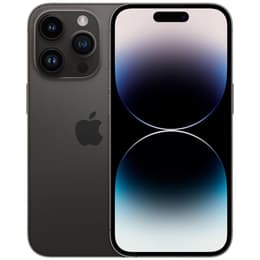
iPhone 14 Pro
iPhone 14 Pro
Starting at

Refurbished price:424.00

Versus €1,339.00 new

See options
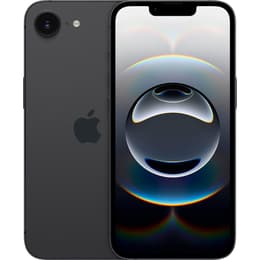
iPhone 16e
iPhone 16e
Starting at

Refurbished price:387.00

Versus €719.00 new

See options

Ratings

The iPhone 14 Pro, released in September 2022, represents a premium offering from Apple's smartphone lineup, featuring advanced camera capabilities and a high-refresh-rate display. In contrast, the iPhone 16e, a more recent model expected around March 2025, positions itself as a modern, entry-level device from a newer generation. While the 14 Pro emphasizes professional-grade features, the 16e focuses on delivering a contemporary experience with a newer processor and updated connectivity, albeit with some differences in display and camera systems. Both devices operate on Apple's iOS platform, offering a consistent software experience.

Scores

Durability

When considering the practical lifespan of these devices, several factors come into play, including their release timelines, software support, and repairability.

  • Release Timeline: The iPhone 14 Pro launched in September 2022, making it a device from a previous generation. The iPhone 16e, expected around March 2025, benefits from a more recent release, placing it two to three years ahead in terms of its product cycle.
  • Software Longevity: Both devices are compatible with iOS 26. The iPhone 14 Pro, having been released earlier, will likely receive major iOS updates for a slightly shorter duration compared to the newer iPhone 16e, which is expected to benefit from an additional year or two of software support.
  • Repairability: The iPhone 14 Pro initially received a favorable repairability score due to its internal design, but this was later downgraded by iFixit due to Apple's parts pairing policies, which can complicate independent repairs. Information on the iPhone 16e's specific repairability is not yet fully detailed, but newer iPhones generally face similar challenges with parts authentication.

Year of Release

2022

2025

OS

iOS

iOS

Foldable

No

No

Performance

The performance of a smartphone is crucial for daily tasks, multitasking, and demanding applications. Both the iPhone 14 Pro and iPhone 16e offer capable performance, but with generational differences.

  • Processor Capabilities: The iPhone 14 Pro is equipped with a powerful processor that handles demanding apps and multitasking smoothly, providing robust performance for a wide range of activities, including intensive gaming and video editing. The iPhone 16e features a newer generation processor, which, while not necessarily a 'Pro' variant, offers improved efficiency and raw power for everyday tasks and is designed to support newer software features.
  • Multitasking and Responsiveness: The iPhone 14 Pro comes with 6GB of RAM, which provides good app management, allowing users to switch between applications without frequent reloads. The iPhone 16e is expected to feature 8GB of RAM, offering enhanced multitasking capabilities and ensuring that apps remain active in the background for longer, which is particularly beneficial for heavy users and future-proofing the device for advanced features.
  • Battery Behavior: The iPhone 14 Pro typically offers a full day of use for most users, though some initial reports noted battery drain concerns, especially with the Always-On Display enabled. The iPhone 16e, with its newer, more efficient processor and a slightly larger battery capacity, is expected to provide excellent battery longevity, potentially lasting longer on a single charge for many users.

Memory (GB)

6 GB

8 GB

Screen quality

The visual experience is a significant aspect of smartphone usage, and both devices offer high-quality displays with distinct characteristics.

  • Display Technology and Clarity: Both the iPhone 14 Pro and iPhone 16e feature OLED displays, known for their deep blacks and vibrant colors. The iPhone 14 Pro boasts a Super Retina XDR display with a resolution of 2556x1179 pixels, providing sharp and detailed visuals. The iPhone 16e also offers a high-resolution OLED panel, ensuring clear and crisp content viewing.
  • Refresh Rate and Smoothness: A key differentiator is the refresh rate. The iPhone 14 Pro features ProMotion technology, offering an adaptive refresh rate up to 120Hz. This results in noticeably smoother scrolling, more fluid animations, and a highly responsive feel, particularly beneficial for gaming and fast-paced content. The iPhone 16e, while having a modern OLED screen, maintains a standard 60Hz refresh rate, which is perfectly adequate for most daily interactions but will not offer the same level of visual fluidity as the 14 Pro.
  • Brightness and Features: The iPhone 14 Pro offers higher peak brightness levels, reaching up to 2000 nits outdoors, which significantly enhances visibility in bright sunlight. It also includes an Always-On Display and the Dynamic Island, which replaces the traditional notch for notifications and live activities. The iPhone 16e has a typical brightness of 800 nits and a peak HDR brightness of 1200 nits, which is still bright for most conditions, but it features a traditional notch for Face ID and lacks the Always-On Display and Dynamic Island.

Resolution

1179 x 2556

2532x1170

Audiovisual

For many users, the camera system is a primary consideration, and here the two devices present different strengths.

  • Rear Camera System: The iPhone 14 Pro features a versatile triple-camera system, including a 48MP main sensor, a 12MP ultra-wide lens, and a 12MP telephoto lens capable of 3x optical zoom. This setup provides flexibility for various photographic scenarios, including detailed close-ups and distant subjects. The iPhone 16e is expected to come with a single 48MP main camera and a 12MP ultra-wide lens, offering strong performance for everyday photography but lacking a dedicated telephoto lens for optical zoom.
  • Photography Performance: The 14 Pro excels in low-light conditions and offers advanced features like Apple ProRAW for professional-grade photo editing and Cinematic Mode for video with depth effects. While the 16e's 48MP main sensor is a significant upgrade for an entry-level model and will produce excellent images, it may not offer the same level of versatility or advanced computational photography features as the Pro model.
  • Video Recording and Audio: Both devices support high-quality video recording, including 4K at 60 frames per second. The iPhone 14 Pro also supports ProRes video recording, which is beneficial for professional videographers. Microphone quality for calls and recording is generally high on iPhones, and both models are expected to deliver clear audio capture. Speaker output for media consumption is also robust on both, providing an immersive experience.

Front camera

12 megapixels

TrueDepth 12MP

Miscellaneous

Beyond core performance and display, several other features contribute to the overall user experience and practical utility of a smartphone.

  • Connectivity: Both the iPhone 14 Pro and iPhone 16e support 5G cellular connectivity, ensuring fast mobile data speeds. They also feature modern Wi-Fi standards (Wi-Fi 6) and Bluetooth 5.3 for reliable wireless connections to accessories.
  • Ports and Sensors: A notable difference is the charging port. The iPhone 14 Pro uses Apple's proprietary Lightning port, while the newer iPhone 16e has transitioned to the more universal USB-C port, offering broader compatibility with accessories and potentially faster data transfer speeds. Both devices include essential sensors like Face ID for secure authentication, accelerometers, gyroscopes, and ambient light sensors. The 14 Pro also includes a LiDAR scanner, which enhances augmented reality experiences and low-light autofocus.
  • Design and Handling: The iPhone 14 Pro features a premium build with a stainless steel frame and textured matte glass back, giving it a substantial and durable feel. It weighs 206g. The iPhone 16e, with its aluminum frame and color-infused glass back, is noticeably lighter at around 165-170g, which can make it more comfortable for extended one-handed use. The 16e is also rumored to feature an Action Button, offering customizable shortcuts, a feature not present on the 14 Pro which uses a traditional mute switch.

Weight

206 g

167 g

Screen size (in)

6.1

6.1

Network

5G

5G

SIM card

Physical SIM + eSIM

eSIM

Carrier compatibility

Unlocked

Unlocked

Connector

Lightning

USB-C

Choosing between the iPhone 14 Pro and the iPhone 16e involves weighing the benefits of a previous-generation premium device against a newer, more accessible model. User feedback for the iPhone 14 Pro often praises its exceptional display with ProMotion, versatile camera system with telephoto capabilities, and robust performance for demanding tasks. Some users initially noted concerns about battery life, particularly with the Always-On Display, and occasional software bugs, though many of these were addressed with updates.

For the iPhone 16e, common praise points are expected to center around its updated processor, improved RAM for multitasking, and the adoption of USB-C connectivity, along with its lighter design. Potential criticisms might include the absence of a high-refresh-rate display, the lack of a dedicated telephoto camera, and the traditional notch design compared to the Dynamic Island.

Users prioritizing a top-tier visual experience with fluid scrolling and an advanced camera system, including optical zoom, may find the iPhone 14 Pro well-suited to their needs. Its stainless steel build also offers a more premium feel. Conversely, users who value the latest processor for future software compatibility, enhanced multitasking with more RAM, and the convenience of USB-C charging will likely lean towards the iPhone 16e. Its lighter form factor could also be a deciding factor for those seeking a more comfortable daily carry. Both devices offer a quality Apple experience, and considering a quality-assured refurbished option for either model can be an eco-friendly alternative to purchasing new.


See all articles

Our recent comparisons