

iPhone 14 Vs iPhone 16e

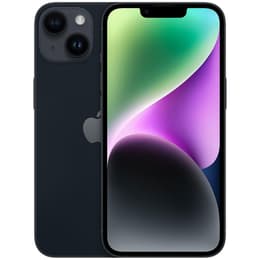
iPhone 14
iPhone 14
Starting at
€323.00
€759.00 new
See options
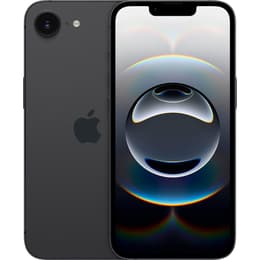
iPhone 16e
iPhone 16e
Starting at
€429.00
€719.00 new
See options

Ratings

The iPhone 14 (released in September 2022) and the iPhone 16e (introduced in February 2025) are both Apple smartphones operating on the iOS platform. While the iPhone 14 represents an earlier generation of Apple's standard lineup, the iPhone 16e serves as a more recent, entry-level model within the iPhone 16 series. Key distinctions between these devices include their internal processing power, camera capabilities, and the adoption of newer connectivity features.

Scores

Durability

When considering longevity, both devices offer substantial software support, though the newer iPhone 16e naturally provides an extended timeline for updates.

  • Release timeline and age: The iPhone 14 was released in September 2022, making it over three years old by late 2025. The iPhone 16e, released in February 2025, benefits from a much more recent launch, ensuring it is a current model.
  • OS support duration: The iPhone 14 launched with iOS 16 and is expected to receive major iOS updates until at least 2029, with security patches continuing beyond that period. The iPhone 16e launched with iOS 18 and is also anticipated to receive at least five years of major OS updates, extending its functional lifespan further into the future.
  • Repairability: The iPhone 14 initially received praise for its improved internal design, making some repairs more straightforward. However, this initial high repairability score was later revised due to Apple's software validation process, which complicates third-party repairs by requiring genuine parts and specific authorization. Details on the iPhone 16e's repairability are still emerging, but Apple's general practices suggest similar considerations for software-authenticated parts.

Year of Release

2022

2025

OS

iOS

iOS

Foldable

No

No

Performance

The performance capabilities of these iPhones vary significantly due to their generational difference in internal hardware.

  • Processor capabilities: The iPhone 14 is equipped with the A15 Bionic chip, which capably handles everyday tasks and moderately demanding applications. The iPhone 16e features the newer A18 chip, providing a notable leap in processing power for smoother operation with intensive applications, more efficient multitasking, and enhanced performance in graphically demanding games.
  • RAM and responsiveness: The iPhone 14 comes with 6 GB of RAM, allowing for competent multitasking. The iPhone 16e doubles this to 8 GB of RAM, which contributes to more fluid app switching and better overall system responsiveness, especially when managing numerous applications simultaneously.
  • Battery behavior in typical use: The iPhone 14 typically offers up to 20 hours of video playback, providing sufficient power for a full day of moderate use, though heavy users may find themselves needing to charge before day's end. The iPhone 16e boasts an enhanced battery, offering up to 26 hours of video playback, representing a significant improvement in endurance for extended usage.

Memory

6 GB

8 GB

Screen quality

Both devices offer high-quality displays, sharing some core visual characteristics while differing in subtle aspects.

  • Display technology and clarity: Both the iPhone 14 and iPhone 16e feature a 6.1-inch Super Retina XDR OLED display, delivering deep blacks, vibrant colors, and sharp text. They share the same 2532 x 1170 pixel resolution with approximately 460 pixels per inch, ensuring a clear viewing experience for general media consumption and daily tasks.
  • Brightness levels: Both models offer a typical maximum brightness of 800 nits and can reach up to 1200 nits for HDR content, providing good visibility in various lighting conditions, including bright outdoor environments.
  • Refresh rate: Both the iPhone 14 and iPhone 16e utilize a standard 60 Hz refresh rate. This provides a smooth experience for typical smartphone interactions, though it differs from devices with higher refresh rates designed for more fluid scrolling and gaming.

Resolution

1170 x 2532

2532x1170

Audiovisual

The camera systems on these iPhones showcase different approaches to mobile photography, with the newer model introducing a higher-resolution main sensor.

  • Main camera capabilities: The iPhone 14 features a dual 12MP main camera with an f/1.5 aperture and sensor-shift optical image stabilization, complemented by a 12MP ultra-wide lens. The iPhone 16e steps up with a 48MP Fusion main camera, also with an f/1.6 aperture and optical image stabilization. This allows the 16e to capture more detailed images and offers an optical-quality 2x zoom by cropping the high-resolution sensor.
  • Low-light and everyday photography: Both phones utilize Apple's Photonic Engine for improved image processing, particularly in challenging lighting conditions. The iPhone 16e, with its higher-resolution main sensor, may offer a slight advantage in capturing finer details and reducing noise in various scenarios.
  • Video recording quality: Both devices are capable of recording 4K video at various frame rates, offering strong video stabilization and good overall quality for casual recording and content creation. The iPhone 14 has cinematic mode support up to 4K HDR at 30 fps.

Front camera

12 megapixels

TrueDepth 12MP

Miscellaneous

Beyond core performance, several practical features differentiate the two models in terms of daily usability and connectivity.

  • Connectivity options: Both iPhones support 5G cellular networks, offering fast data speeds. The iPhone 14 supports Wi-Fi 6 and Bluetooth 5.3. The iPhone 16e features updated connectivity for 5G, though some variants may not support mmWave 5G.
  • Charging port: The iPhone 14 uses Apple's proprietary Lightning port for charging and data transfer. In line with newer Apple devices, the iPhone 16e transitions to a USB-C port, offering broader compatibility with other electronic devices.
  • Physical design and controls: The iPhone 14 maintains a traditional mute switch. The iPhone 16e replaces this with an Action Button, which is customizable to perform various functions, such as launching the camera or activating accessibility features. Both devices feature Face ID for secure authentication.
  • SIM technology: For models sold in the United States, the iPhone 14 relies solely on eSIM technology. The iPhone 16e also adopts advanced eSIM technology, eliminating the physical SIM card tray for all models.

Weight

150 g

167 g

Screen size (in)

6.1

6.1

Network

5G

5G

SIM card

eSIM

eSIM

Carrier compatibility

Unlocked

Unlocked

Connector

Lightning

USB-C

The iPhone 14, released in 2022, remains a capable smartphone praised by users for its reliable performance and solid camera system, particularly its low-light capabilities, which were enhanced with the Photonic Engine. Users often highlight its consistent iOS experience and robust build quality. Some common criticisms have centered on its 60 Hz display refresh rate compared to competitors and, for heavy users, a battery life that sometimes requires midday charging.

The newer iPhone 16e, launched in 2025, builds upon its predecessor with significant upgrades. Users commend its considerably improved battery life, the more powerful A18 chip that enables features like Apple Intelligence, and the versatility of the 48MP main camera. The adoption of USB-C and the customizable Action Button are also frequently cited as practical enhancements. While it retains the 60 Hz refresh rate and the notch design of earlier iPhones, its overall performance and updated features make it a strong contender for those seeking modern capabilities in a more accessible package.

For users prioritizing the absolute longest software support and the latest generational leap in processing power, especially for future-proofing with AI features, the iPhone 16e is a compelling choice. Students and professionals who rely on intensive applications or require extended battery life for a full day of use will find the iPhone 16e well-suited to their needs. Conversely, the iPhone 14 continues to be a dependable device for everyday tasks, photography, and general smartphone use, representing an excellent value for those seeking a quality refurbished option. Choosing between these two depends on the importance placed on cutting-edge performance and newer features versus the proven reliability of an earlier, yet still highly capable, model. Opting for a quality-assured refurbished iPhone, whether it's the iPhone 14 or iPhone 16e, provides an eco-friendly alternative while still delivering a premium user experience.