

iPhone 14 Pro Max Vs iPhone 16e

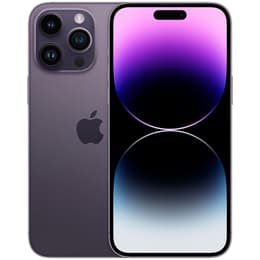
iPhone 14 Pro Max
iPhone 14 Pro Max
Starting at

Refurbished price:446.00

Versus €1,489.00 new

See options
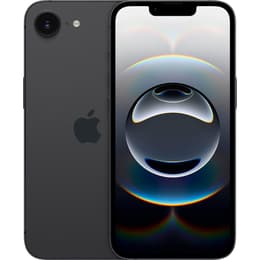
iPhone 16e
iPhone 16e
Starting at

Refurbished price:387.00

Versus €719.00 new

See options

Ratings

The iPhone 14 Pro Max, released in September 2022, represented Apple's top-tier offering at the time, featuring advanced camera capabilities and a large, vibrant display. In contrast, the iPhone 16E, launched in February 2025, serves as a more recent, essential model within the iPhone lineup, focusing on core performance and modern features in a more streamlined package. Both devices operate on Apple's iOS platform, but they cater to different user priorities through their distinct hardware and design philosophies.

Scores

Durability

When considering the longevity of these devices, their respective release dates play a significant role in anticipated software support and overall practical lifespan.

  • Release Timeline: The iPhone 14 Pro Max was introduced in September 2022, while the iPhone 16E followed in February 2025. This nearly two-and-a-half-year difference means the iPhone 16E benefits from a more extended period of future software updates from Apple.
  • Software Support: The iPhone 14 Pro Max shipped with iOS 16 and is confirmed to support iOS 26, indicating a substantial update cycle. The iPhone 16E, launching with iOS 18.3, is also expected to receive updates for many years, likely extending beyond the 14 Pro Max due to its newer release.
  • Practical Lifespan: Both models feature robust builds, including Ceramic Shield front covers and IP68 water and dust resistance, contributing to their physical durability. However, the iPhone 16E was discontinued in March 2026, which might affect the availability of new units, though refurbished options remain a quality-assured alternative for continued use.

Year of Release

2022

2025

OS

iOS

iOS

Foldable

No

No

Performance

The performance of a smartphone is central to the user experience, influencing everything from app responsiveness to multitasking efficiency and battery endurance.

  • Processor Capabilities: The iPhone 14 Pro Max is powered by an A16 Bionic chip, which delivers strong performance for demanding applications and graphics-intensive tasks. The iPhone 16E features a newer A18 chip, which, despite being a variant with a 4-core GPU, offers enhanced efficiency and supports Apple Intelligence features, providing a responsive experience for everyday use and advanced AI functionalities.
  • Multitasking and Responsiveness: The iPhone 14 Pro Max comes with 6GB of RAM, enabling smooth transitions between multiple applications. The iPhone 16E, with 8GB of RAM, offers additional headroom for multitasking, potentially leading to a more fluid experience when managing numerous apps simultaneously.
  • Battery Behavior: The iPhone 14 Pro Max is known for its substantial battery capacity, providing extended usage throughout the day for many users. The iPhone 16E, while potentially having a smaller physical battery, is designed for efficiency with its A18 chip and Apple's C1 modem, claiming breakthrough battery life and up to 26 hours of video playback, making it a strong contender for users prioritizing endurance in a more compact form factor.

Memory (GB)

6 GB

8 GB

Screen quality

The display is a primary interface for any smartphone, and both these iPhones offer distinct visual experiences tailored to different preferences.

  • Display Technology and Size: The iPhone 14 Pro Max features a larger 6.7-inch Super Retina XDR OLED display, providing an expansive viewing area. The iPhone 16E has a 6.1-inch Super Retina XDR OLED display, offering a more compact form factor. Both utilize OLED technology for deep blacks and vibrant colors.
  • Resolution and Brightness: Both devices offer sharp resolutions, with the iPhone 14 Pro Max at 2796x1290 pixels and the iPhone 16E at 2532x1170 pixels, resulting in a similar pixel density of 460 pixels per inch for clear visuals. The iPhone 14 Pro Max boasts higher peak brightness, reaching up to 2000 nits for outdoor visibility, compared to the iPhone 16E's 1200 nits peak HDR brightness.
  • Refresh Rate and Features: The iPhone 14 Pro Max includes ProMotion technology, offering adaptive refresh rates up to 120Hz for smoother scrolling and more fluid animations, along with an Always-On display and the Dynamic Island for interactive alerts. The iPhone 16E features a standard 60Hz refresh rate and utilizes a traditional notch for its front camera system, without the Dynamic Island.

Resolution

1290 x 2796

2532x1170

Audiovisual

Photography and videography capabilities are key considerations for many users, and these two iPhones present different approaches to their camera systems.

  • Rear Camera System: The iPhone 14 Pro Max features a versatile Pro camera system with a 48MP Main sensor, a 12MP Ultra Wide lens, and a 12MP 3x Telephoto lens, providing a wide range of photographic options, including optical zoom. The iPhone 16E comes with a single 48MP Fusion camera on the rear, which includes an integrated 2x Telephoto capability, offering optical-quality zoom without a dedicated telephoto lens.
  • Photography Features: The iPhone 14 Pro Max benefits from advanced features like Photonic Engine, Deep Fusion, Smart HDR 4, and Apple ProRAW for professional-grade image capture. The iPhone 16E also supports Night mode and Portrait mode, ensuring quality photos in various conditions.
  • Video Recording and Audio: Both devices are capable of high-quality video recording, including 4K at 60fps. The iPhone 14 Pro Max offers more advanced video features such as Cinematic mode up to 4K HDR at 30fps, Action mode for stabilized footage, and ProRes video recording. The iPhone 16E supports 4K Dolby Vision recording. Both provide clear audio recording for calls and media.

Front camera

12 megapixels

TrueDepth 12MP

Miscellaneous

Beyond core performance and display, several practical elements contribute to the overall user experience and daily convenience of these smartphones.

  • Connectivity and Ports: Both the iPhone 14 Pro Max and iPhone 16E support 5G cellular connectivity and Wi-Fi 6 for fast wireless internet. A notable difference is the charging port: the iPhone 14 Pro Max uses Apple's proprietary Lightning port, while the newer iPhone 16E has transitioned to a USB-C port, offering broader compatibility with other modern electronics.
  • Security and Interaction: Both devices rely on Face ID for secure authentication and convenient unlocking. The iPhone 14 Pro Max features the Dynamic Island, an interactive area around the front camera that displays alerts and background activities. The iPhone 16E, while lacking the Dynamic Island, incorporates an Action Button, which can be customized to perform various functions, replacing the traditional mute switch.
  • Build Materials and Dimensions: The iPhone 14 Pro Max features a stainless steel frame, contributing to its premium feel and durability, and weighs 240 grams. The iPhone 16E utilizes an aluminum frame, offering a lighter build, and its 6.1-inch display results in a more compact and potentially easier-to-handle device.

Weight

120 g

167 g

Screen size (in)

6.7

6.1

Network

5G

5G

SIM card

Physical SIM + eSIM

eSIM

Carrier compatibility

Unlocked

Unlocked

Connector

Lightning

USB-C

The iPhone 14 Pro Max and iPhone 16E cater to distinct user needs, reflecting Apple's strategy across different segments of its smartphone lineup. Users often praise the iPhone 14 Pro Max for its expansive and fluid ProMotion display, its comprehensive and highly capable camera system, and its robust battery life, making it a strong choice for those who prioritize a premium multimedia and photography experience. Some criticisms for the 14 Pro Max might revolve around its larger size and weight, which some users find less comfortable for one-handed use.

Conversely, the iPhone 16E is frequently lauded for bringing modern features like the A18 chip with Apple Intelligence, a capable 48MP camera, and USB-C connectivity to a more accessible form factor. Its claimed breakthrough battery life for a 6.1-inch iPhone is also a significant positive. Potential drawbacks for the 16E might include the absence of a ProMotion display and the Dynamic Island, which are features found on higher-end models.

Users prioritizing a large, high-refresh-rate display and the most versatile camera system with dedicated telephoto capabilities may find the iPhone 14 Pro Max better suited to their needs. On the other hand, users seeking a more compact device with a newer, efficient processor, longer software support, and modern connectivity like USB-C, along with the benefits of Apple Intelligence, might lean towards the iPhone 16E. Both devices offer a quality experience, and choosing a refurbished option for either can be an eco-friendly and quality-assured way to acquire these capable smartphones.

See all articles

Our recent comparisons






