

Compare models

Galaxy S23+ Vs iPhone 16e

  • 1-year minimum warranty
  • Free delivery on all orders
  • Free 30-day returns
Galaxy S23+
Galaxy S23+
Starting at

Refurbished price:294.00

Versus €1,199.99 new

See options
iPhone 16e
iPhone 16e
Starting at

Refurbished price:393.00

Versus €719.00 new

See options

Differences at a glance

The Samsung Galaxy S23 Plus, released in February 2023, is a high-end Android smartphone known for its robust performance and versatile camera system. In contrast, the iPhone 16E, introduced in February 2025, represents Apple's more accessible iOS offering, featuring a modern design and the latest Apple silicon. These devices cater to different user preferences, primarily distinguished by their operating systems and their respective approaches to hardware and software integration.

Available Models

Colour

Storage (GB)

Scores

Durability

When considering the long-term usability of a smartphone, software support and physical resilience are key factors. The Galaxy S23 Plus and iPhone 16E offer different timelines for updates and varying levels of physical protection.

  • Software Longevity: The Samsung Galaxy S23 Plus launched with Android 13 and is expected to receive four major Android operating system updates, extending its support to Android 17. It will also receive security updates until 2028, providing a substantial period of continued functionality and security. The iPhone 16E, running on iOS 18.x at launch, benefits from Apple's typical policy of providing 5 to 7 years of major iOS updates, alongside extended security patches, suggesting a potentially longer period of feature updates.
  • Physical Durability: The Galaxy S23 Plus features Corning Gorilla Glass Victus 2 for screen protection, offering a good level of resistance against drops and scratches. The iPhone 16E incorporates Apple's Ceramic Shield front cover, which is designed to enhance drop performance. Both devices are rated for water and dust resistance, contributing to their overall practical lifespan.
  • Repairability: While specific repairability scores can vary, both manufacturers generally design their devices with certain repair considerations. Users seeking to extend the life of their device beyond software support can also consider quality-assured refurbished options, which provide an eco-friendly alternative.

Year of Release

2023

2025

OS

Android

iOS

Foldable

No

No

Performance

The performance of a smartphone is crucial for daily tasks, from browsing and social media to demanding applications and gaming. Both the Galaxy S23 Plus and the iPhone 16E are equipped with powerful processors designed for smooth operation.

  • Processing Power: The Samsung Galaxy S23 Plus is powered by a processor optimized for its ecosystem, enabling it to handle demanding applications and multitasking with efficiency. Users report that it offers plenty of power for gaming and everyday use, maintaining smooth performance without significant overheating. The iPhone 16E features Apple's A18 chip, which is designed to deliver high performance and efficiency, supporting advanced features like Apple Intelligence. This chip configuration ensures responsive operation across various tasks and applications.
  • Multitasking and Responsiveness: With 8GB of RAM, the Galaxy S23 Plus is capable of managing multiple applications simultaneously, allowing for fluid transitions and efficient background processes. The iPhone 16E also comes with 8GB of RAM, which, combined with its optimized operating system, contributes to a highly responsive user experience, particularly when switching between apps or running intensive tasks.
  • Storage Options: Both devices offer ample internal storage. The Galaxy S23 Plus is available with 256GB or 512GB of storage. The iPhone 16E provides storage options of 128GB, 256GB, and 512GB, catering to users with different storage needs.

Screen quality

The display is a primary interface for smartphone interaction, and both devices offer high-quality viewing experiences with distinct characteristics.

  • Display Technology and Clarity: The Samsung Galaxy S23 Plus features a 6.6-inch Dynamic AMOLED 2x display with a Full HD+ resolution (2340 x 1080 pixels). This technology delivers deep blacks and vibrant colors, providing a clear and immersive viewing experience. The iPhone 16E comes with a 6.1-inch Super Retina XDR OLED display, offering a resolution of 2532 by 1170 pixels at 460 pixels per inch. Its OLED panel also provides excellent contrast and color accuracy.
  • Brightness and Refresh Rate: The Galaxy S23 Plus boasts a peak brightness of up to 1750 nits, making it highly visible even in bright outdoor conditions. It also features a 120Hz refresh rate, contributing to smoother scrolling and more fluid animations. The iPhone 16E offers a typical maximum brightness of 800 nits and a peak HDR brightness of 1200 nits. It has a standard 60Hz refresh rate, which provides a consistent visual experience for most everyday tasks.
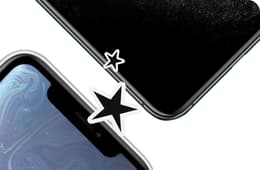
  • Screen Size and Design: The Galaxy S23 Plus provides a larger screen real estate at 6.6 inches, which can be beneficial for media consumption and productivity. The iPhone 16E's 6.1-inch display offers a more compact form factor, featuring an all-screen design with a notch for its front camera and Face ID system.

Resolution

1080 x 2340

2532x1170

Audiovisual

Camera capabilities are a significant consideration for many smartphone users, and both the Galaxy S23 Plus and iPhone 16E offer advanced photographic and videographic features.

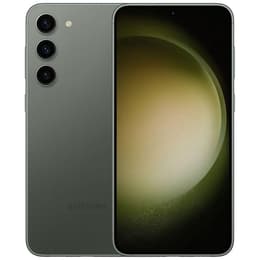
  • Rear Camera System: The Samsung Galaxy S23 Plus is equipped with a versatile triple-camera setup on the rear, including a 50-megapixel main sensor with optical image stabilization, a 12-megapixel ultrawide lens, and a 10-megapixel telephoto lens capable of 3x optical zoom. This configuration allows for a wide range of photographic styles. The iPhone 16E features a single 48-megapixel Fusion main camera with optical image stabilization, which also enables a 12-megapixel 2x optical-quality telephoto option through advanced processing.
  • Photography Performance: Users of the Galaxy S23 Plus often praise its ability to capture consistently good pictures, with a notable night mode that enhances colors and brightness in low-light conditions. The iPhone 16E's 48-megapixel sensor, combined with Apple's computational photography, is designed to produce detailed images with accurate colors and good dynamic range, even in challenging lighting.
  • Video Recording and Front Camera: Both devices offer high-quality video recording. The Galaxy S23 Plus supports 8K video recording at 30 frames per second. Its front camera is a 12-megapixel sensor. The iPhone 16E supports 4K Dolby Vision video recording and features a 12-megapixel front camera with autofocus, suitable for high-quality selfies and video calls.

Front camera

12 megapixels

TrueDepth 12MP

Miscellaneous

Beyond core features, several practical elements contribute to the overall user experience and daily convenience of a smartphone.

  • Connectivity and Ports: Both devices support 5G connectivity for fast mobile data speeds. The Samsung Galaxy S23 Plus includes Wi-Fi 6E and Bluetooth for wireless connections. It features a USB-C port for charging and data transfer. The iPhone 16E also comes with a USB-C port, aligning with modern connectivity standards, and supports Wi-Fi 6 and Bluetooth 5.3.
  • Biometrics and Security: The Galaxy S23 Plus utilizes an in-display fingerprint sensor for secure unlocking and authentication. The iPhone 16E relies on Face ID, Apple's facial recognition system, for secure access.
  • Design and Handling: The Galaxy S23 Plus measures 157.8 x 76.2 x 7.6 mm and weighs 196 grams, offering a substantial feel in hand. The iPhone 16E has dimensions of approximately 148.5 x 71.2 x 7.8mm and weighs around 166 grams, providing a slightly more compact and lighter profile. The iPhone 16E also includes an Action Button, offering customizable quick access to various functions.

Weight

196 g

167 g

Screen size (in)

6.6

6.1

Network

5G

5G

SIM card

Physical SIM + eSIM

eSIM

Carrier compatibility

Unlocked

Unlocked

What the community thinks

Choosing between the Samsung Galaxy S23 Plus and the iPhone 16E involves weighing the benefits of a mature Android flagship against a newer, more accessible iOS device. User feedback for the Galaxy S23 Plus often highlights its strong performance, excellent battery life, and versatile camera system as key strengths. Some users note that while its display is vibrant, the resolution could be higher compared to other premium devices. The iPhone 16E, being a more recent release, is praised for bringing modern Apple features like the A18 chip and Apple Intelligence to a wider audience, along with a significant camera upgrade and improved battery life for its size.

Users prioritizing a larger display, a multi-lens camera system with dedicated telephoto, and the flexibility of the Android ecosystem may find the Samsung Galaxy S23 Plus well-suited to their needs. Its established software support policy ensures several years of updates. Conversely, users who value the seamless integration of the iOS ecosystem, a compact design with Face ID, and access to Apple's latest processing power and AI features will likely lean towards the iPhone 16E. Its newer release date also implies a longer period of future software updates from its launch.

Both devices represent solid choices within their respective platforms. For those considering either model, exploring quality-assured refurbished options can provide a sustainable choice, offering these devices with verified functionality and an extended lifespan.