
iPhone 16 Vs Xiaomi Redmi Note 14 Pro

iPhone 16
iPhone 16
Starting at

Refurbished price:548.00

Versus €879.00 new

See options
Xiaomi Redmi Note 14 Pro
Starting at

Refurbished price:260.77

Versus €349.99 new

See options

Ratings

The iPhone 16, released in September 2024, and the Xiaomi Redmi Note 14 Pro, launched in January 2025, represent distinct approaches to smartphone design and functionality. While the iPhone 16 focuses on a refined ecosystem and advanced computational features, the Redmi Note 14 Pro emphasizes a large, vibrant display and a versatile camera system. These devices cater to different user priorities, offering varied experiences in terms of operating system, performance, and overall user interaction.

Scores

Durability

When considering the long-term usability of these devices, their release timelines and software support are key factors.

  • Release Timeline: The iPhone 16 was introduced in September 2024, while the Xiaomi Redmi Note 14 Pro followed in January 2025. This difference in launch dates means the iPhone 16 has been available for a longer period. [3, 13]
  • Software Longevity: Apple typically provides iOS updates for its devices for approximately five to six years from their release, with the iPhone 16 launching with iOS 18 and currently running iOS 26.4. [3, 35] The Xiaomi Redmi Note 14 Pro runs on Android 14 with HyperOS and is expected to receive up to three major Android upgrades, offering a solid, though potentially shorter, update cycle compared to the iPhone. [13, 37]
  • Durability Features: The iPhone 16 features a Ceramic Shield front cover and an aluminum frame, offering good resistance to scratches and bending, alongside an IP68 rating for water and dust resistance. [3, 6, 9, 23] The Redmi Note 14 Pro also prioritizes durability with Corning Gorilla Glass Victus 2 protection on its display and an IP68 rating for water and dust resistance. [15, 20, 28, 37]

Performance

The performance of a smartphone is largely determined by its internal components, influencing app responsiveness, multitasking capabilities, and overall system fluidity.

  • Processor Capabilities: The iPhone 16 is powered by Apple's A18 chip, which features a 6-core CPU, 5-core GPU, and a 16-core Neural Engine. This processor is designed for efficient handling of demanding applications, smooth multitasking, and enhanced artificial intelligence features. [3, 23, 35] The Xiaomi Redmi Note 14 Pro utilizes the MediaTek Dimensity 7300 Ultra, a 4nm processor engineered for balanced performance across gaming and daily tasks, with a focus on power efficiency. [13, 20, 37]
  • Memory and Storage: The iPhone 16 comes with 8GB of RAM and offers storage options of 128GB, 256GB, or 512GB. [3, 12] The Redmi Note 14 Pro is available with either 8GB or 12GB of RAM and storage configurations up to 512GB, providing ample space for applications and media. [13, 20, 22, 37]
  • Battery Performance: The iPhone 16 is equipped with a 3561 mAh battery, providing up to 22 hours of offline video playback, with its efficient chip contributing to extended usage. [3, 14] The Xiaomi Redmi Note 14 Pro houses a larger 5500mAh battery, designed to support prolonged use throughout the day, with some real-world tests indicating excellent screen-on time. [15, 30, 37, 41]

Memory (GB)

8 GB

8 GB

Screen quality

The display is a primary interface for smartphone interaction, and both devices offer high-quality viewing experiences with distinct characteristics.

  • Display Technology and Size: The iPhone 16 features a 6.1-inch Super Retina XDR OLED display, known for its deep blacks and vibrant colors. [1, 23] The Xiaomi Redmi Note 14 Pro boasts a larger 6.67-inch AMOLED 3D curved screen, offering an expansive viewing area. [8, 28]
  • Resolution and Clarity: The iPhone 16 has a resolution of 2556x1179 pixels at 460 pixels per inch (ppi), delivering sharp and detailed visuals. [1, 23] The Redmi Note 14 Pro offers a 1.5K resolution (1220x2712 pixels or 2400x1080 pixels) with a pixel density of around 395-446 ppi, ensuring clear imagery. [8, 20, 37, 38]
  • Brightness and Refresh Rate: The iPhone 16 achieves a typical maximum brightness of 1000 nits, with peak HDR brightness of 1600 nits and outdoor peak brightness of 2000 nits, ensuring good visibility in various lighting conditions. [1, 17, 23] The Redmi Note 14 Pro features a high refresh rate of 120Hz for smoother scrolling and animations, and a peak brightness that can reach up to 3000 nits, providing excellent outdoor visibility. [8, 20, 28]

Audiovisual

Both smartphones offer advanced camera systems, but they approach photography with different strengths and feature sets.

  • Rear Camera System: The iPhone 16 is equipped with an advanced dual-camera system, featuring a 48MP main camera with sensor-shift optical image stabilization and a 12MP ultra-wide camera. It supports 2x optical quality telephoto shots and offers features like Photonic Engine and Smart HDR 5 for enhanced image processing. [2, 4, 23] The Xiaomi Redmi Note 14 Pro features a triple camera setup, including a 50MP main sensor with Optical Image Stabilization (OIS), an 8MP ultra-wide lens, and a 2MP macro sensor. The larger main sensor is designed to capture more light for improved low-light performance. [10, 15, 22, 37]
  • Photography Features: The iPhone 16 provides next-generation portraits with Focus and Depth Control, 4K Dolby Vision video recording up to 60 frames per second, and spatial video recording. Macro photography is also available through its ultra-wide lens. [2, 4, 23] The Redmi Note 14 Pro emphasizes AI-powered camera features like AI Image Expansion and AI Erase Pro, alongside a 20MP front camera for detailed selfies. [22, 37]
  • Video Capabilities and Audio: The iPhone 16 offers Cinematic mode up to 4K at 30fps and Action mode up to 2.8K at 60fps, along with audio zoom for video recording. [2, 23] The Redmi Note 14 Pro supports dual stereo speakers with Dolby Atmos, enhancing the audio experience for media consumption. [37]

Miscellaneous

Beyond core performance and display, several practical elements contribute to the overall user experience and daily convenience of these devices.

  • Connectivity and Ports: The iPhone 16 supports Wi-Fi 7 and Bluetooth 5.3, along with a second-generation Ultra Wideband chip for enhanced spatial awareness. It features a USB-C port for charging and data transfer. [1, 3, 23] The Xiaomi Redmi Note 14 Pro also offers 5G connectivity and a USB-C port. [13, 37]
  • Biometric Security and Navigation: The iPhone 16 relies on Face ID for secure facial recognition. [2] The Redmi Note 14 Pro typically incorporates an in-display fingerprint sensor for biometric authentication. [33]
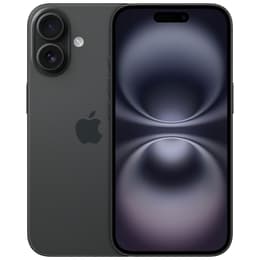
  • Design and Handling: The iPhone 16 has an aluminum design with a Ceramic Shield front and color-infused glass back, weighing 170 grams. [3, 23] The Redmi Note 14 Pro features a 3D curved screen and can come with a sleek PU leather back design or Gorilla Glass 7i, with a weight of approximately 190 grams, offering a comfortable in-hand feel despite its larger size. [19, 20, 28, 37] Both devices include useful physical controls, with the iPhone 16 featuring an Action Button and a dedicated Camera Control button. [1, 35]

Screen size (in)

6.1

6.67

Network

5G

4G

SIM card

eSIM

Dual Physical SIM

Carrier compatibility

Unlocked

Unlocked

The iPhone 16 and Xiaomi Redmi Note 14 Pro cater to different user preferences, each excelling in specific areas. Users often praise the iPhone 16 for its seamless integration within the Apple ecosystem, robust software support, and consistent camera performance, particularly its advanced computational photography features. Criticisms sometimes point to its standard refresh rate display compared to some Android counterparts. [1, 2, 21]

Conversely, the Xiaomi Redmi Note 14 Pro receives acclaim for its large, high-refresh-rate AMOLED display, offering a smooth and immersive visual experience. Its substantial battery capacity is also a frequent highlight among users who prioritize extended usage without frequent charging. Some users might note the absence of a dedicated telephoto lens as a point of consideration. [8, 13, 15, 20, 30]

Users prioritizing a long-term software commitment, a powerful and efficient processor for demanding tasks, and a refined user experience with advanced safety features may find the iPhone 16 well-suited to their needs. Its consistent performance and integration with other Apple devices make it a strong choice for those invested in that ecosystem. [3, 23, 35]

On the other hand, individuals who value a larger, more fluid display for media consumption and gaming, coupled with a long-lasting battery and a versatile camera system for everyday photography, might lean towards the Xiaomi Redmi Note 14 Pro. Its focus on display quality and battery endurance makes it a compelling option for heavy users. [8, 13, 20, 37] Both devices offer compelling features, and choosing between them depends on which aspects align most closely with individual usage patterns and preferences. For those seeking an eco-friendly alternative, quality-assured refurbished options for both models can provide a sustainable choice.


See all articles

Our recent comparisons