
Compare models

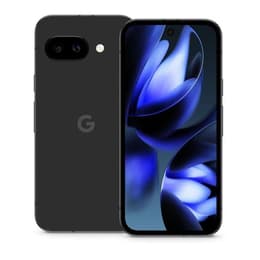
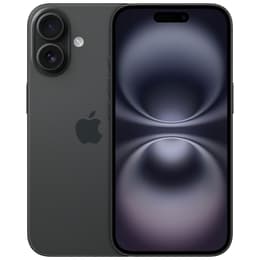
Google Pixel 9a Vs iPhone 16

  • 1-year minimum warranty
  • Free delivery on all orders
  • Free 30-day returns
Google Pixel 9a
Starting at

Refurbished price:€361.00

Versus €586.09 new

See options
iPhone 16
Starting at

Refurbished price:€568.00

Versus €1,029.00 new

See options

Differences at a glance

The Google Pixel 9a (2025) and the Apple iPhone 16 (2024) are modern smartphones designed for users seeking reliable daily performance, capable cameras, and long-term software backing. While the Google Pixel 9a runs on Android with a focus on smart assistant integration and streamlined hardware, the iPhone 16 operates on iOS within Apple's tightly integrated ecosystem. These devices differ primarily in their approach to operating systems, screen dimensions, and physical styling, catering to distinct software preferences.

Available Models

Colour

Storage

Scores

Durability

Both handsets are built to handle years of daily use, though they differ in their software update commitments and repair ecosystems.

  • Software longevity: The Google Pixel 9a benefits from an extended support window featuring seven years of operating system and security updates, whereas the iPhone 16 typically receives software support for approximately five to six years.
  • Repairability and build: Both models feature dust and water resistance ratings alongside solid structural integrity, though availability of standardized repair components varies between the Android and iOS ecosystems.
  • Expected lifespan: Solid battery health management tools and current-generation internal hardware ensure both devices remain functional and responsive over multi-year ownership periods.

Year of Release

2025

2024

Compatible with latest Update

Yes

Yes

Foldable

No

No

Performance

Navigating demanding applications, casual games, and multitasking routines is handled smoothly by both devices thanks to their modern internal configurations.

  • System responsiveness: App loading speeds, web browsing, and multi-app switching happen fluidly without noticeable stutter on either platform.
  • Memory and multitasking: Both devices include generous random access memory paired with efficient system optimization, allowing background tasks to remain active without sudden closures.
  • Storage configurations: Both models offer baseline storage starting at 128 gigabytes, accommodating standard media libraries and applications without immediate capacity concerns.

Screen quality

Visual output differs slightly in dimensions and refresh dynamics, though both deliver sharp imagery for media consumption and text readability.

  • Display technology: The Google Pixel 9a utilizes a 6.3-inch OLED panel, while the iPhone 16 features a 6.1-inch OLED screen, both offering deep contrast levels and rich color reproduction.
  • Refresh rate and motion: The Google Pixel 9a incorporates a smooth high refresh rate display for fluid scrolling, while the iPhone 16 standard model utilizes a traditional refresh rate.
  • Outdoor visibility: High peak brightness levels on both screens ensure content remains legible under direct sunlight or bright ambient lighting conditions.

Resolution

2424 x 1080

1179 x 2556

Audiovisual

Capturing everyday moments and recording video is straightforward with the dual-sensor rear camera arrays found on both smartphones.

  • Photography performance: Both devices deliver clear images in daylight and low-light environments, supported by computational photography features that automatically balance highlights and shadows.
  • Video capabilities: High-resolution video recording with stabilization keeps moving footage steady, making both models well-suited for casual creators and video calls.
  • Audio and media: Stereo speaker configurations on both handsets provide balanced sound output for hands-free calls, podcasts, and media playback.

Front camera

13 megapixels

12 megapixels

Miscellaneous

Physical dimensions and connectivity standards shape how each smartphone feels during daily handling and travel.

  • Connectivity options: Both models support current-generation 5G networks, rapid Wi-Fi standards, and Bluetooth for accessories.
  • Physical ports: Universal USB-C ports handle wired charging and data transfers on both devices.
  • Security and handling: The Google Pixel 9a uses an in-display fingerprint sensor, while the iPhone 16 relies on facial recognition, housed in bodies designed for comfortable one-handed use.

Weight

186 g

170 g

Screen size (in)

6.3

6.1

Network

5G

5G

SIM card

Physical SIM + eSIM

eSIM

Carrier compatibility

Unlocked

Unlocked

Connector

USB-C

USB-C (USB 2)

What the community thinks

User discussions highlight several distinct advantages for each device. Owners of the Google Pixel 9a frequently praise its clean software interface, smooth display refresh rate, and dependable battery longevity. Conversely, iPhone 16 users often emphasize the cohesive ecosystem integration, robust video recording tools, and reliable build quality. Common criticisms for both models generally center on baseline storage limitations for heavy media users and the lack of included charging adapters in the retail box.

Choosing between the two depends heavily on software preference and daily habits. Users prioritizing an open operating system with extended software update commitments may find the Google Pixel 9a well-suited to their needs, while those embedded in Apple services will naturally lean toward the iPhone 16. For buyers exploring sustainable purchases, opting for a quality-assured refurbished option provides an eco-friendly alternative that reduces electronic waste while delivering the same core capabilities.








