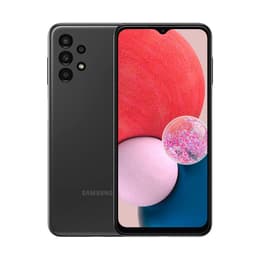
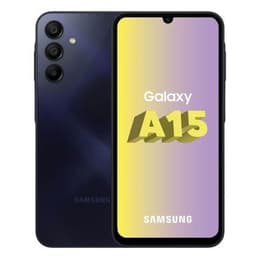


Galaxy A13 Vs Galaxy A15

Galaxy A13
Galaxy A13
Starting at

Refurbished price:97.00

Versus €249.00 new

See options
Galaxy A15
Galaxy A15
Starting at

Refurbished price:124.00

Versus €189.00 new

See options

Ratings

The Samsung Galaxy A13, released in March 2022, and the Samsung Galaxy A15, launched in December 2023, are both Android smartphones designed to offer essential features for everyday use. While they share a similar design philosophy, the newer Galaxy A15 introduces notable enhancements in display technology, processing power, and software longevity, setting it apart from its predecessor. Both devices operate on Samsung's One UI interface over the Android operating system.

Scores

Durability

When considering the long-term usability of these devices, several factors contribute to their expected lifespan, including software support and physical durability.

  • Release Timeline: The Galaxy A13 was released in March 2022, making it an older model compared to the Galaxy A15, which launched in December 2023. This difference in release date directly impacts their software support cycles.
  • OS Support Duration: The Galaxy A15 launched with Android 14 and is promised four Android OS upgrades and five years of security updates, extending its functional life significantly. The Galaxy A13, having launched with Android 12, typically receives fewer major OS updates, generally around two, and four years of security updates, meaning its software support will conclude sooner.
  • Repairability: The Galaxy A13 LTE model has been noted for a high repairability score of 8 out of 10, indicating a design that facilitates easier repairs and part replacement. While a specific repairability score for the Galaxy A15 is not as widely publicized, general repair guides are available, and its screen is noted to have Corning Gorilla Glass 5 protection, similar to the A13.
  • Practical Lifespan: Users prioritizing extended software support and the latest Android features will find the Galaxy A15 offers a longer practical lifespan due to its more recent release and Samsung's updated commitment to software updates for its A-series.

Year of Release

2022

2023

Compatible with latest Update

No

Yes

OS

Android

Android

Foldable

No

No

Performance

The performance of a smartphone is crucial for daily tasks, from navigating apps to managing multiple activities simultaneously.

  • Processor Capabilities: The Galaxy A15 features a newer and more efficient processor (MediaTek Dimensity 6100+ for the 5G variant or Helio G99 for 4G) compared to the Galaxy A13's Exynos 850 or MediaTek Helio G80. This translates to a more responsive user experience and smoother handling of applications on the A15.
  • System Responsiveness: Users of the Galaxy A15 generally report a smoother user interface and quicker app loading times. In contrast, the Galaxy A13 may exhibit occasional lag and slower app transitions, particularly with more demanding applications or after extended use.
  • Multitasking and RAM: Both devices offer various RAM configurations, with the Galaxy A15 typically providing options up to 8GB, while the A13 goes up to 6GB. Higher RAM in the A15 contributes to more efficient multitasking, allowing users to switch between apps without frequent reloads.
  • Storage Options: Both models offer internal storage options that are expandable via a microSD card, a feature that provides flexibility for users who need additional space for media and applications.

Memory (GB)

4 GB

4 GB

Screen quality

The display is a primary interface for smartphone interaction, influencing everything from content consumption to daily navigation.

  • Display Technology: A significant difference lies in the display technology. The Galaxy A15 boasts a 6.5-inch Super AMOLED display, known for its deep blacks, vibrant colors, and excellent contrast. The Galaxy A13 features a 6.6-inch PLS TFT LCD panel, which offers good visuals but does not match the color richness and contrast of an AMOLED screen.
  • Refresh Rate: The Galaxy A15 provides a smoother viewing experience with a 90Hz refresh rate, making scrolling and animations appear more fluid. The Galaxy A13 has a standard 60Hz refresh rate.
  • Brightness Levels: The Galaxy A15's Super AMOLED display can reach up to 800 nits of peak brightness in high brightness mode, improving visibility in bright outdoor conditions. The Galaxy A13's LCD panel offers adequate brightness for indoor use but may struggle more under direct sunlight.
  • Resolution and Clarity: Both phones feature a Full HD+ resolution (1080x2408 pixels for A13, 1080x2340 pixels for A15), providing sharp and clear visuals for text and images.

Resolution

1080 x 2408

1080 x 2340

Screen type

PLS LCD

Super AMOLED

Audiovisual

Camera capabilities are a key consideration for many users, impacting the quality of photos and videos captured in various settings.

  • Rear Camera System: Both the Galaxy A13 and A15 feature a 50-megapixel main camera, capable of capturing detailed images in good lighting conditions. The Galaxy A15 includes a 5MP ultrawide and a 2MP macro lens. The 4G version of the Galaxy A13 also has a 5MP ultrawide, a 2MP macro, and a 2MP depth sensor, while the A13 5G variant typically omits the ultrawide lens.
  • Front Camera: The Galaxy A15 features a 13-megapixel front-facing camera, offering higher resolution for selfies and video calls compared to the Galaxy A13's 8-megapixel or 5-megapixel front camera.
  • Low-Light Performance: While both devices perform well in adequate lighting, their performance in low-light conditions is generally considered modest, which is typical for devices in this category. The A15 may offer a slight improvement due to newer processing.
  • Video Recording: Both smartphones support video recording at 1080p resolution at 30 frames per second for both front and rear cameras.
  • Audio Experience: Both devices typically feature a single bottom-firing speaker, providing functional audio output for media consumption and calls.

Main camera

50 megapixels

50 megapixels

Front camera

8 megapixels

13 megapixels

Miscellaneous

Beyond core features, several practical elements contribute to the overall user experience and device utility.

  • Connectivity Options: The Galaxy A15 supports 5G connectivity, offering faster mobile data speeds where available, along with Wi-Fi 5 and Bluetooth 5.3. The Galaxy A13 is available in both 4G LTE and 5G variants, with the 4G model supporting Wi-Fi and Bluetooth.
  • Port Types: Both smartphones include a USB Type-C port for charging and data transfer. The Galaxy A15 also retains a 3.5mm headphone jack, a feature appreciated by users who prefer wired audio accessories.
  • Biometric Security: Both devices incorporate a side-mounted fingerprint sensor for convenient and secure unlocking.
  • Build Materials and Dimensions: Both phones feature a plastic build. The Galaxy A15 measures 160.1 x 76.8 x 8.4 mm and weighs 200g. The Galaxy A13 measures 165.1 x 76.4 x 8.8 mm and weighs 195g. The A15's slightly more compact dimensions and potentially more refined plastic finish may offer a marginally different in-hand feel.

Weight

195 g

200 g

Screen size (in)

6.6

6.5

Network

4G

4G

SIM card

Dual Physical SIM

Dual Physical SIM

Carrier compatibility

Unlocked

Unlocked

User feedback for the Galaxy A13 often highlights its strong battery life and a main camera that performs adequately in good lighting conditions. However, common criticisms include its slower performance, particularly over time, and the limitations of its LCD display and secondary cameras. The Galaxy A15, on the other hand, receives praise for its vibrant Super AMOLED display with a smoother 90Hz refresh rate, improved overall performance, and longer software support. Some users note that while performance is better than its predecessor, it may still feel slow for demanding tasks, and the camera system, while improved, does not excel in all conditions.

Users prioritizing a more fluid visual experience, better overall responsiveness for everyday applications, and a longer period of software updates will find the Galaxy A15 to be a more suitable choice. Its Super AMOLED display and enhanced processor offer a noticeable upgrade for media consumption and general navigation. Conversely, users who primarily need a device for basic communication, light browsing, and value a high repairability score might still find the Galaxy A13 a functional option, especially if their usage patterns are less demanding. Both devices offer a reliable foundation for smartphone essentials, and choosing a quality-assured refurbished option for either model can be an eco-friendly alternative for consumers.


See all articles

Our recent comparisons