
iPhone

Compare models
Differences at a glance
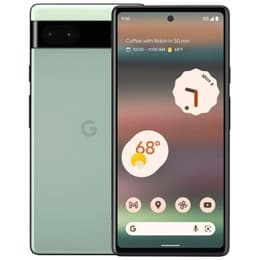
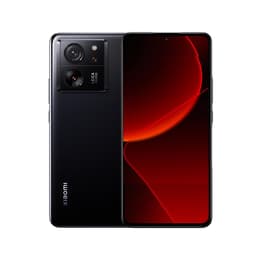
The Google Pixel 6A, released in July 2022, and the Xiaomi 13T Pro, launched in September 2023, are both Android smartphones offering distinct user experiences. While the Pixel 6A focuses on a streamlined software experience and computational photography, the Xiaomi 13T Pro emphasizes high-end specifications, rapid charging, and a versatile camera system. Both devices run on the Android operating system, but their approaches to hardware and software integration differ significantly.
Colour
Storage
When considering the longevity of these devices, several factors come into play, including their release dates, software support, and build quality.
Year of Release
Compatible with latest Update
OS
Foldable
The performance of a smartphone is crucial for daily tasks, from app usage to demanding games. Both devices offer capable performance, but with different underlying hardware and user experiences.
The display is a primary interface for smartphone interaction, and both the Pixel 6A and Xiaomi 13T Pro offer different visual experiences.
Resolution
Screen type
Camera capabilities are a significant consideration for many users, and both smartphones approach photography with different strengths.
Main camera
Front camera
Beyond core features, several practical elements contribute to the overall user experience of these devices.
Weight
Screen size (in)
Network
SIM card
Carrier compatibility
Connector
User feedback for the Google Pixel 6A often highlights its exceptional camera performance, clean Android interface, and the efficiency of its Tensor chip for daily tasks. Common criticisms include its 60Hz display, slower charging speeds, and occasional reports of overheating or inconsistent battery life. Some users have also noted issues with the fingerprint sensor's responsiveness.
The Xiaomi 13T Pro receives praise for its vibrant 144Hz display, rapid 120W charging, and powerful performance for demanding applications and gaming. Its versatile camera system, co-engineered with Leica, is also a strong point. However, some users have reported software quirks within Xiaomi's custom Android skin (HyperOS), such as app optimization issues or occasional bugs. The lack of wireless charging and the use of a slower USB 2.0 port are also noted as drawbacks.
Users prioritizing a compact device with a focus on computational photography and a pure Android experience may find the Google Pixel 6A well-suited to their needs. Its extended software support, while not as long as some newer devices, still offers a good lifespan. For those who value a large, high-refresh-rate display, top-tier performance for gaming and heavy use, and extremely fast wired charging, the Xiaomi 13T Pro presents a compelling option. Its more extensive software update policy also contributes to its long-term appeal. Both devices offer a quality-assured refurbished option, providing an eco-friendly alternative for consumers.