
Google Pixel 8a Vs iPhone 16

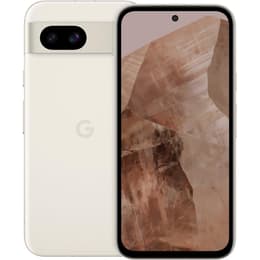
Google Pixel 8a
Google Pixel 8a
Starting at

Refurbished price:232.00

Versus €549.00 new

See options
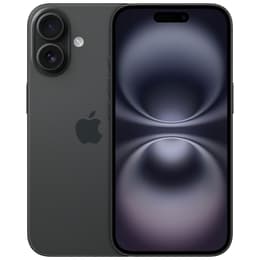
iPhone 16
iPhone 16
Starting at

Refurbished price:549.00

Versus €879.00 new

See options

Ratings

The Google Pixel 8a, released in May 2024, and the anticipated iPhone 16, expected in late 2026, represent distinct approaches to the smartphone experience. While the Pixel 8a offers Google's vision of AI-powered Android in a more accessible package, the iPhone 16 is poised to continue Apple's tradition of refined hardware and the iOS ecosystem. The primary differentiators lie in their operating systems, release timelines, and the specific features each prioritizes for its user base.

Scores

Durability

When considering the practical lifespan of these devices, several factors come into play, including their release timelines, software support, and physical durability.

  • Release Timeline: The Google Pixel 8a was released in May 2024, offering a current-generation Android experience. The iPhone 16 is an anticipated device, expected to launch in September 2026, meaning it will benefit from two additional years of technological advancements at its release.
  • Software Longevity: Google has committed to an extensive seven years of OS, security, and Feature Drop updates for the Pixel 8a, ensuring long-term software support. The iPhone 16, upon its release, is expected to receive 6-7 years of iOS updates, a standard for Apple devices, which would extend its software relevance further into the future.
  • Physical Durability: The Pixel 8a features Gorilla Glass 3 for screen protection and an IP67 rating for dust and water resistance. The iPhone 16 is expected to incorporate a next-generation Ceramic Shield for enhanced screen toughness and an IP68 rating, offering a higher degree of protection against dust and water ingress.

Year of Release

2024

2024

Compatible with latest Update

Yes

Yes

Foldable

No

No

Performance

Performance is a key aspect for any smartphone, influencing how smoothly applications run and how efficiently daily tasks are handled. Both devices are designed to offer a responsive user experience, though they achieve this through different hardware and software optimizations.

  • Processing Power: The Pixel 8a is powered by the Google Tensor G3 chip, which provides smooth performance for everyday applications, multitasking, and gaming. The iPhone 16, expected to feature a next-generation A-series chip (likely A18 or A19), is anticipated to deliver industry-leading performance, handling demanding applications and graphics-intensive games with ease due to its newer architecture and optimized iOS integration.
  • Multitasking Capabilities: The Pixel 8a comes with 8GB of RAM, which contributes to smooth multitasking and efficient handling of multiple applications simultaneously. The iPhone 16 is also confirmed to feature 8GB of RAM across all models, a significant upgrade for the base models, which will enhance its ability to manage numerous apps and support advanced AI features.
  • Storage Options: The Pixel 8a is available with 128GB or 256GB of internal storage. The iPhone 16 is expected to offer storage options starting at 128GB, with 256GB and 512GB variants also available, providing users with more choices for storing their data and media.

Memory (GB)

8 GB

8 GB

Screen quality

The display is the primary interface for user interaction, and both devices offer vibrant and clear viewing experiences, though with some distinctions in technology and features.

  • Display Technology and Clarity: Both the Pixel 8a and the iPhone 16 feature OLED displays, known for their deep blacks and vibrant colors. The Pixel 8a has a 6.1-inch OLED display with a resolution of 1080x2400 pixels, resulting in a pixel density of approximately 430 ppi. The iPhone 16 is expected to have a 6.1-inch Super Retina XDR OLED display with a resolution of 2556x1179 pixels, offering a pixel density of 460 ppi.
  • Refresh Rate and Smoothness: The Pixel 8a features a 120Hz refresh rate, providing a smoother scrolling experience and more fluid animations. The base iPhone 16 models are expected to retain a 60Hz refresh rate, with higher refresh rates typically reserved for the Pro models.
  • Brightness Levels: The Pixel 8a's display can reach a peak brightness of up to 2000 nits, offering good visibility in bright outdoor conditions. The iPhone 16 is expected to have a typical maximum brightness of 1000 nits and a peak HDR brightness of 1600 nits, with outdoor peak brightness potentially reaching 2000 nits.

Resolution

1080 x 2400

1179 x 2556

Screen type

OLED

Super Retina XDR OLED

Audiovisual

Both the Google Pixel 8a and the iPhone 16 are designed to deliver strong photographic and videographic capabilities, leveraging their respective hardware and software strengths to capture moments with clarity and detail.

  • Rear Camera System: The Pixel 8a features a dual-camera setup with a 64 MP wide-angle primary camera and a 13 MP ultra-wide-angle camera. The iPhone 16 is expected to continue with a dual-camera system, likely featuring an improved main sensor and enhanced ultrawide lens, building upon Apple's computational photography strengths.
  • Photography Performance: The Pixel 8a is known for its computational photography, offering features like Night Sight, Magic Editor, and Audio Magic Eraser, which enhance image quality and provide editing flexibility. The iPhone 16 is anticipated to bring further advancements in image processing, particularly in low-light conditions and dynamic range, with a focus on delivering consistent and true-to-life colors.
  • Video Recording: Both devices are capable of recording 4K video at 60 frames per second (fps) with their main cameras. The Pixel 8a also offers 4K video recording at 30fps with its front camera. The iPhone 16 is expected to offer advanced video features, potentially including improved Cinematic Mode and Action Mode capabilities.
  • Audio Experience: The Pixel 8a features a stereo speaker setup, which users describe as loud, though some report potential distortion at maximum volume. The iPhone 16 is expected to provide a balanced audio experience through its stereo speakers, suitable for media consumption and calls.

Main camera

64 megapixels

48 megapixels

Front camera

13 megapixels

12 megapixels

Miscellaneous

Beyond core performance and display, several practical elements contribute to the overall user experience, including connectivity, physical design, and security features.

  • Connectivity Standards: The Pixel 8a supports 5G connectivity, Wi-Fi 6E, and Bluetooth 5.3. The iPhone 16 is expected to feature Wi-Fi 7, offering faster and more efficient wireless connectivity, along with improved 5G capabilities and Bluetooth 5.4 or 5.5.
  • Ports and Sensors: The Pixel 8a includes a USB-C 3.2 port and features an under-display fingerprint sensor and Face Unlock for security. The iPhone 16 is expected to continue with a USB-C port and Face ID for secure authentication.
  • Design and Handling: The Pixel 8a has dimensions of 152.1 x 72.7 x 8.9 mm and weighs 188 grams, featuring an aluminum frame and a plastic back. The iPhone 16 is expected to maintain similar dimensions to its predecessor, around 147.6 x 71.6 x 7.8 mm and weighing approximately 170 grams, with an aluminum frame and glass back protected by Ceramic Shield.

Weight

188 g

170 g

Screen size (in)

6.1

6.1

Network

5G

5G

SIM card

Physical SIM + eSIM

eSIM

Carrier compatibility

Unlocked

Unlocked

The Google Pixel 8a and the anticipated iPhone 16 cater to different user preferences and priorities. The Pixel 8a is often praised for its exceptional camera capabilities, particularly its computational photography features, and its commitment to seven years of software updates, offering a long-lasting Android experience. Users appreciate its clean Android interface and the integration of Google's AI features. Some common criticisms include its charging speed and the perceived quality of its speakers at high volumes.

The iPhone 16, while still an unreleased device, is expected to build upon Apple's strengths, offering a highly optimized iOS experience, robust performance with its next-generation chip, and a strong ecosystem. Anticipated praise will likely center on its seamless user experience, strong privacy features, and continued camera advancements. Potential concerns might include the retention of a 60Hz display on the base model and the continued reliance on Face ID as the sole biometric authentication method.

Users prioritizing a pure Android experience with cutting-edge computational photography and extended software support may find the Google Pixel 8a well-suited to their needs. Its 120Hz display and comprehensive update policy make it a compelling choice for those seeking longevity and a smooth visual experience within the Android ecosystem. Conversely, users who value the integrated Apple ecosystem, industry-leading performance, and a device known for its consistent software updates and strong security features will likely lean towards the iPhone 16. Its anticipated hardware improvements and the expected introduction of Wi-Fi 7 will appeal to those seeking the latest in connectivity and raw power.

For consumers looking for an eco-friendly alternative, both devices are available as quality-assured refurbished options, providing a sustainable choice without compromising on functionality.


See all articles

Our recent comparisons