

iPhone 15 Pro Max Vs iPhone 16

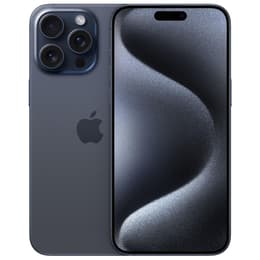
iPhone 15 Pro Max
iPhone 15 Pro Max
Starting at

Refurbished price:610.00

Versus €1,489.00 new

See options
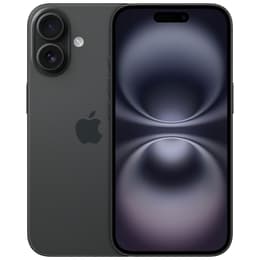
iPhone 16
iPhone 16
Starting at

Refurbished price:548.00

Versus €879.00 new

See options

Ratings

The iPhone 15 Pro Max, released in September 2023, and the iPhone 16, launched in September 2024, represent different tiers within Apple's smartphone lineup. While both devices operate on the same iOS ecosystem and benefit from Apple's continuous software advancements, they cater to distinct user preferences through differences in their display technology, camera capabilities, and overall build. The iPhone 15 Pro Max offers a larger, more advanced display and a versatile telephoto camera, whereas the iPhone 16 introduces a newer core processor and enhanced durability features for its standard model.

Scores

Durability

When considering the practical lifespan of these devices, both the iPhone 15 Pro Max and the iPhone 16 offer robust longevity, though their release timelines create a slight difference in expected software support.

  • Software Support: The iPhone 16, being a year newer, is anticipated to receive major iOS updates for approximately one year longer than the iPhone 15 Pro Max, extending its software relevance further into the future. Both devices launched with current iOS versions, ensuring access to the latest features and security updates for many years.
  • Physical Durability: The iPhone 15 Pro Max features a titanium frame, contributing to its strength and lighter weight compared to previous Pro models. The iPhone 16, while utilizing an aluminum frame for its standard model, incorporates an upgraded Ceramic Shield on its display, which Apple states is more resilient than its predecessor. Both models offer IP68 water and dust resistance, protecting against immersion in water up to 6 meters for 30 minutes. User experiences with the iPhone 15 Pro Max indicated that while the titanium frame was robust, the back glass could be susceptible to damage under specific bending forces, though overall drop resistance was generally good. The iPhone 16's enhanced Ceramic Shield aims to improve screen protection.
  • Repairability: Both devices are designed with repairability in mind, featuring internal components that can be accessed and replaced by trained technicians. The modular design of components like the back glass on the iPhone 15 Pro Max was noted to potentially simplify repairs. The iPhone 16 also features design elements that facilitate easier battery replacement.

Year of Release

2023

2024

Compatible with latest Update

Yes

Yes

Foldable

No

No

Performance

The performance of a smartphone is central to the user experience, influencing everything from app responsiveness to gaming fluidity. Both the iPhone 15 Pro Max and the iPhone 16 deliver high levels of performance, though they are powered by different generations of Apple's internal processing units.

  • Processing Power: The iPhone 15 Pro Max is equipped with a previous-generation flagship processor, designed to handle demanding applications, intensive multitasking, and graphically rich games with ease. The iPhone 16 features a newer, current-generation processor, which offers improvements in overall speed, efficiency, and neural processing capabilities. This newer chip provides a noticeable boost in performance for everyday tasks and future-proofs the device for upcoming software innovations, including advanced AI features.
  • Multitasking and Responsiveness: Both phones offer ample memory configurations that support smooth multitasking, allowing users to switch between numerous applications without significant slowdowns. The iPhone 16's newer processor and increased memory bandwidth contribute to a slightly more responsive feel, particularly when launching apps or processing complex tasks. Users of the iPhone 15 Pro Max generally report a very fluid experience, with apps loading quickly and animations appearing smooth.
  • Battery Efficiency: The iPhone 15 Pro Max is known for its extended battery life, often lasting a full day or more for many users, even with heavy usage, due to its larger physical battery capacity and efficient processor. The iPhone 16, while having a smaller battery capacity typical of a standard model, benefits from the improved power efficiency of its newer processor, contributing to reliable daily usage. Users of the iPhone 16 have reported impressive battery longevity, with some experiencing up to two days of use on a single charge under lighter conditions.

Memory (GB)

8 GB

8 GB

Screen quality

The visual experience on a smartphone is largely defined by its display, and both the iPhone 15 Pro Max and iPhone 16 offer high-quality screens, though with key distinctions in size and refresh rate technology.

  • Display Technology and Clarity: Both devices feature Super Retina XDR OLED displays, providing deep blacks, vibrant colors, and excellent contrast ratios. They share a similar pixel density of approximately 460 pixels per inch, ensuring sharp text and detailed images. The iPhone 15 Pro Max has a larger 6.7-inch display, offering a more expansive viewing area, while the iPhone 16 features a 6.1-inch display.
  • Brightness and Outdoor Visibility: Both models achieve a typical maximum brightness of 1000 nits and a peak HDR brightness of 1600 nits. For outdoor use, both can reach a peak brightness of 2000 nits, ensuring good visibility even in bright sunlight.
  • Refresh Rate and Smoothness: A significant difference lies in the refresh rate. The iPhone 15 Pro Max features ProMotion technology, offering an adaptive refresh rate up to 120Hz. This results in noticeably smoother scrolling, more fluid animations, and a more responsive feel, particularly during gaming or fast-paced content consumption. The iPhone 16, as a standard model, maintains a standard 60Hz refresh rate, which is perfectly adequate for most daily tasks but does not offer the same level of visual fluidity as the ProMotion display.

Resolution

1290 x 2796

1179 x 2556

Screen type

LTPO Super Retina XDR OLED

Super Retina XDR OLED

Audiovisual

Both the iPhone 15 Pro Max and the iPhone 16 provide advanced camera systems capable of capturing high-quality photos and videos, but they differ in their hardware configurations and specialized features.

  • Camera System Configuration: The iPhone 15 Pro Max boasts a triple-camera system, including a 48-megapixel main sensor, a 12-megapixel ultrawide lens, and a 12-megapixel telephoto lens with 5x optical zoom. This dedicated telephoto lens provides significant reach for distant subjects. The iPhone 16 features a dual-camera system, comprising a 48-megapixel main sensor and a 12-megapixel ultrawide lens. The iPhone 16's ultrawide lens has an improved aperture compared to its predecessor, enhancing low-light performance.
  • Photography Capabilities: The iPhone 15 Pro Max excels in versatility, particularly with its 5x optical zoom, making it well-suited for capturing subjects at a distance without significant loss of detail. It also supports advanced features like ProRAW for professional-grade photo editing and ProRes video recording. The iPhone 16 introduces macro photography capabilities to its standard model for the first time, allowing for detailed close-up shots. Both phones offer excellent everyday photography performance, with strong low-light capabilities and advanced computational photography features like Night mode and Photographic Styles.
  • Video Recording and Audio: Both devices are capable of recording high-quality video, including 4K resolution at various frame rates, with advanced stabilization. The iPhone 15 Pro Max offers Cinematic mode for professional-looking depth effects and ProRes video. The iPhone 16 also features enhanced video capabilities, with improvements in Dolby Vision recording and spatial audio capture. Both provide clear microphone quality for calls and recordings, and stereo speakers for media consumption.

Main camera

48 megapixels

48 megapixels

Front camera

12 megapixels

12 megapixels

Miscellaneous

Beyond core performance and display, several practical elements contribute to the overall user experience and differentiate the iPhone 15 Pro Max and iPhone 16.

  • Connectivity and Ports: Both devices feature a USB-C port, marking a shift from Apple's proprietary Lightning connector. However, the iPhone 15 Pro Max supports faster USB 3 data transfer speeds, which is beneficial for quickly moving large files like ProRes videos. The iPhone 16's USB-C port operates at USB 2.0 speeds. In terms of wireless connectivity, the iPhone 15 Pro Max supports Wi-Fi 6E, while the iPhone 16 upgrades to Wi-Fi 7, offering potentially faster and more reliable wireless connections where supported. Both include Bluetooth 5.3 and 5G cellular capabilities.
  • Physical Design and Handling: The iPhone 15 Pro Max features a premium titanium frame, contributing to its strong yet lightweight build. It is a larger device with a 6.7-inch screen. The iPhone 16 has an aluminum frame and a more compact 6.1-inch display, making it lighter and potentially easier for one-handed use for some users. Both models incorporate the customizable Action Button, allowing users to quickly access a chosen function. The iPhone 16 also introduces a new Camera Control button.
  • Biometric Security and Sensors: Both phones rely on Face ID for secure facial recognition and authentication. They include a standard suite of sensors for navigation, environmental monitoring, and user interaction. The Dynamic Island, a pill-shaped cutout at the top of the display that dynamically adapts to show alerts and background activities, is present on both models.

Weight

221 g

170 g

Screen size (in)

6.7

6.1

Network

5G

5G

SIM card

Physical SIM + eSIM

eSIM

Carrier compatibility

Unlocked

Unlocked

Connector

USB-C

USB-C (USB 2)

Choosing between the iPhone 15 Pro Max and the iPhone 16 involves weighing specific priorities against their respective strengths. User feedback for the iPhone 15 Pro Max often praises its exceptional battery life, the expansive and fluid 120Hz ProMotion display, and the versatile camera system, particularly the 5x telephoto zoom. Some users initially noted concerns about overheating, though subsequent software updates largely addressed these issues, leading to widespread satisfaction with its overall performance and premium build.

The iPhone 16, on the other hand, is frequently lauded for its newer, more efficient processor, which ensures snappy performance and extended software longevity. Users appreciate the improved durability of its Ceramic Shield and the addition of macro photography to the standard model's camera system. The more compact form factor of the iPhone 16 is also a draw for those preferring a smaller device. Some users coming from higher refresh rate displays might notice the 60Hz refresh rate, but many find it perfectly acceptable for daily use.

Users prioritizing a larger, more immersive display with a high refresh rate and advanced telephoto camera capabilities may find the iPhone 15 Pro Max better suited to their needs. Its robust battery life also makes it an excellent choice for heavy users or travelers. Conversely, individuals seeking the latest core processor, enhanced screen durability, and a more compact design, along with a slightly longer software support window, might lean towards the iPhone 16. Both devices offer a reliable and feature-rich iOS experience. For those considering a sustainable choice, both models are available as quality-assured refurbished options, providing an eco-friendly alternative to purchasing new.


See all articles

Our recent comparisons