

iPhone 16 Vs iPhone 17 Pro

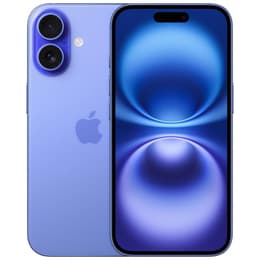
iPhone 16
iPhone 16
Starting at

Refurbished price:549.00

Versus €879.00 new

See options
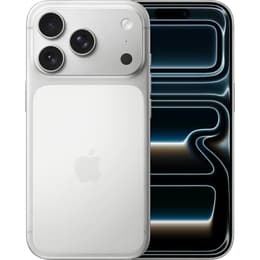
iPhone 17 Pro
iPhone 17 Pro
Starting at

Refurbished price:1,064.00

Versus €1,339.00 new

See options

Ratings

The iPhone 16, released in late 2024, and the iPhone 17 Pro, launched in late 2025, represent different tiers within Apple's smartphone lineup. While both devices operate on the iOS platform, the iPhone 17 Pro introduces several advancements in display technology, camera capabilities, and overall performance, reflecting its position as a more advanced model. This comparison will explore the practical differences between these two generations and models, helping users understand which device aligns best with their needs.

Scores

Durability

When considering the long-term usability of a smartphone, factors like software support, physical resilience, and repairability are key. The iPhone 16 and iPhone 17 Pro offer robust foundations, though with some distinctions.

  • Software Longevity: Both devices are designed to receive several years of iOS updates, ensuring access to new features and security enhancements. As the iPhone 17 Pro was released a year later, it is expected to receive software support for a slightly longer duration than the iPhone 16.
  • Physical Durability: The iPhone 16 features a Ceramic Shield front and an aluminum frame, offering good resistance to drops and scratches. The iPhone 17 Pro enhances this with Ceramic Shield 2 on the front, which is reported to be three times more scratch-resistant, and also incorporates Ceramic Shield on the back for increased resilience.
  • Repairability: While specific repairability scores can vary, Apple generally designs its devices with a certain level of modularity. Users seeking to extend the life of their device through quality-assured refurbished options will find both models available, offering a sustainable choice.

Year of Release

2024

2025

Compatible with latest Update

Yes

Yes

Foldable

No

No

Performance

Performance is a critical aspect for daily smartphone use, influencing everything from app responsiveness to demanding tasks. Both the iPhone 16 and iPhone 17 Pro deliver capable performance, but the Pro model offers a more advanced experience.

  • Processing Power: The iPhone 16 is equipped with the A18 Bionic chip, providing smooth operation for everyday applications and multitasking. The iPhone 17 Pro features the newer A19 Pro chip, which offers enhanced processing capabilities, particularly noticeable in demanding applications, advanced AI features, and graphics-intensive tasks.
  • Multitasking and Responsiveness: The iPhone 16 comes with 8GB of RAM, facilitating efficient multitasking. The iPhone 17 Pro steps up with 12GB of RAM, allowing for a greater number of applications to run simultaneously in the background without reloading, contributing to a more fluid user experience.
  • Storage Options: The iPhone 16 offers storage configurations starting from 128GB, with options up to 512GB. The iPhone 17 Pro starts at a higher base storage of 256GB, extending up to 1TB, catering to users with larger storage needs for media and applications.

Memory (GB)

8 GB

12 GB

Screen quality

The display is the primary interface for interacting with a smartphone, and both models offer high-quality viewing experiences, with the iPhone 17 Pro introducing notable enhancements.

  • Display Technology and Clarity: Both devices feature Super Retina XDR OLED displays, providing deep blacks, vibrant colors, and excellent contrast. The iPhone 16 has a 6.1-inch display with a resolution of 2556x1179 pixels. The iPhone 17 Pro has a slightly larger 6.3-inch display with a resolution of 2622x1206 pixels, maintaining a similar pixel density for sharp visuals.
  • Brightness and Outdoor Visibility: The iPhone 16 offers a typical maximum brightness of 1000 nits and a peak outdoor brightness of 2000 nits. The iPhone 17 Pro significantly increases outdoor peak brightness to 3000 nits, coupled with a 7-layer anti-reflective coating, making it considerably easier to view content in bright sunlight.
  • Refresh Rate and Smoothness: The iPhone 16 features a standard 60Hz refresh rate. The iPhone 17 Pro includes ProMotion technology, offering an adaptive refresh rate up to 120Hz, which results in smoother scrolling, more fluid animations, and a more responsive feel during gaming and fast-paced content.

Resolution

1179 x 2556

2622x1206

Screen type

Super Retina XDR OLED

Super Retina XDR

Audiovisual

Camera capabilities are a significant consideration for many users, and both the iPhone 16 and iPhone 17 Pro offer advanced photographic and videographic tools, with the Pro model providing a more comprehensive system.

  • Rear Camera System: The iPhone 16 features a dual-camera setup with a 48MP Fusion Main camera and a 12MP Ultra Wide camera. The iPhone 17 Pro boasts a triple 48MP Pro Fusion camera system, including a Main, Ultra Wide, and a dedicated Telephoto lens with 4x optical zoom and 8x "optical-quality" zoom, offering greater versatility for distant subjects.
  • Photography and Video Features: Both phones excel in everyday photography, with features like Photonic Engine and Smart HDR for improved image processing. The iPhone 17 Pro's advanced system, particularly its telephoto lens, provides more options for creative shots and detailed distant captures. For video, both support high-quality recording, but the 17 Pro offers additional professional-grade features like ProRes RAW and Apple Log 2.
  • Front Camera: The iPhone 16 includes a 12MP TrueDepth front camera with autofocus. The iPhone 17 Pro upgrades to an 18MP Center Stage front camera, which features a square sensor for easier landscape and portrait selfies without rotating the phone, and supports ultra-stabilized video recording, enhancing video calls and vlogging.

Main camera

48 megapixels

48 megapixels

Front camera

12 megapixels

18 megapixels

Miscellaneous

Beyond core features, several practical elements contribute to the overall user experience and differentiate these two iPhone models.

  • Connectivity and Ports: Both devices support 5G cellular networks and Wi-Fi 7 for fast wireless connectivity. The iPhone 16 uses a USB-C port with USB 2.0 speeds. The iPhone 17 Pro upgrades to a USB-C port with USB 3.2 speeds, offering significantly faster data transfer rates, which is beneficial for large file transfers like high-resolution videos. The iPhone 17 Pro also features Bluetooth 6, an upgrade from the iPhone 16's Bluetooth 5.3.
  • Biometrics and Sensors: Both models utilize Face ID for secure authentication. The iPhone 17 Pro introduces the N1 wireless networking chip, which enhances Wi-Fi, Bluetooth, and Thread performance.
  • Design and Handling: The iPhone 16 has an aluminum frame and weighs 170 grams, with dimensions of 147.6 x 71.6 x 7.8 mm. The iPhone 17 Pro features an aluminum unibody frame and is slightly larger and heavier at approximately 150 x 71.9 x 8.75 mm and 204-206 grams. The 17 Pro also incorporates a new vapor chamber cooling design for better thermal management during intensive use.

Weight

170 g

206 g

Screen size (in)

6.1

6.3

Network

5G

5G

SIM card

eSIM

Physical SIM + eSIM

Carrier compatibility

Unlocked

Unlocked

Connector

USB-C (USB 2)

USB-C

User feedback for the iPhone 16 often highlights its reliable performance for daily tasks and its capable camera system, particularly for those upgrading from older models. However, some users noted the 60Hz display as a point of comparison with Pro models and reported occasional software glitches like frozen screens or camera app issues, which were often addressed in subsequent iOS updates.

The iPhone 17 Pro generally receives praise for its significantly brighter and smoother display, enhanced battery life, and more versatile camera system, especially the improved front camera and telephoto capabilities. Users appreciate the faster performance and the increased RAM for demanding applications. The upgraded durability with Ceramic Shield 2 and the faster USB-C port are also frequently mentioned as positive advancements.

Users prioritizing a smooth display, advanced camera features, and extended battery life for heavy usage or professional tasks will find the iPhone 17 Pro well-suited to their needs. Its superior outdoor display brightness and faster data transfer speeds also cater to those who frequently use their device in varied environments or manage large files. Conversely, users seeking a solid, reliable smartphone for everyday communication, social media, and casual photography, without the need for the absolute latest in display smoothness or telephoto zoom, may find the iPhone 16 to be a practical choice. Both models offer a gateway to the Apple ecosystem, and considering a quality-assured refurbished option for either device can be an eco-friendly alternative.


See all articles

Our recent comparisons