
iPhone

Compare models
Differences at a glance
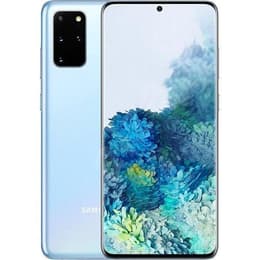
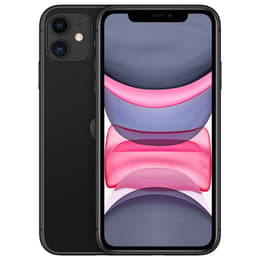
The Samsung Galaxy S20, released in March 2020, and the Apple iPhone 11, launched in September 2019, represent flagship smartphones from their respective manufacturers. While both devices offer robust performance and capable camera systems, they differ significantly in their underlying operating systems and display technologies. The Galaxy S20 runs on Android, offering a customizable experience, while the iPhone 11 operates on Apple's iOS, known for its integrated ecosystem and user-friendly interface.
Colour
Storage (GB)
When considering the long-term usability of these devices, their release timelines and software support are key factors.
Year of Release
Compatible with latest Update
OS
Foldable
Both the Galaxy S20 and iPhone 11 were equipped with powerful processors for their time, delivering smooth performance for everyday tasks and demanding applications.
The visual experience on these two smartphones presents a clear distinction, primarily due to their display technologies and refresh rates.
Resolution
Screen type
Both devices offer capable camera systems, but with different approaches to image processing and specific hardware strengths.
Main camera
Front camera
Beyond core performance and display, several practical elements contribute to the overall user experience of these smartphones.
Weight
Screen size (in)
Network
SIM card
Carrier compatibility
Connector
User sentiment for both the Samsung Galaxy S20 and iPhone 11 generally highlights their strengths in different areas. The iPhone 11 is frequently praised for its consistent performance, reliable software experience, and natural camera output, particularly its strong low-light capabilities and video recording. Users often appreciate the long-term software support from Apple and the intuitive nature of iOS. Some common criticisms, however, include its LCD display, which lacks the vibrancy and contrast of OLED, and the absence of a high refresh rate.
The Galaxy S20, on the other hand, receives commendation for its vibrant AMOLED display with a smooth 120Hz refresh rate, offering a more immersive visual experience. Its versatile camera system, including a dedicated telephoto lens and 8K video recording, is also a strong point. Users often value the flexibility of the Android operating system and expandable storage. Potential concerns sometimes revolve around battery life when the 120Hz display is consistently active and the perceived processing style of its camera, which can sometimes lead to overly saturated images.
Users prioritizing a highly fluid display, greater camera versatility with zoom capabilities, and the flexibility of the Android ecosystem may find the Samsung Galaxy S20 better suited to their needs. Conversely, those who value a consistent, user-friendly experience, natural image processing, and a potentially longer period of major software updates might lean towards the iPhone 11. Both devices remain capable smartphones, and choosing a quality-assured refurbished option for either can be an eco-friendly alternative to purchasing new.