
iPhone

Compare models
Differences at a glance
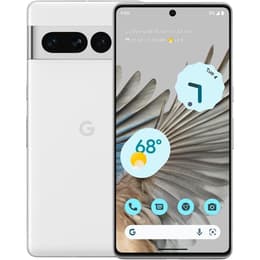
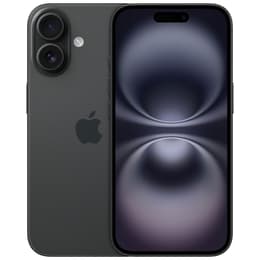
The Google Pixel 7 Pro, released in October 2022, and the iPhone 16, launched in September 2024, represent distinct approaches to high-end smartphone design and functionality. While the Pixel 7 Pro operates on the Android ecosystem, the iPhone 16 runs on Apple's iOS, offering different user experiences. Key differentiators between these two devices include their camera systems, display technologies, and overall performance capabilities, catering to varied user preferences.
Colour
Storage
When considering the long-term usability of these devices, their release timelines and software support are important factors.
Year of Release
Compatible with latest Update
Foldable
Both devices offer robust performance, but they achieve this through different hardware and software optimizations.
The visual experience on both smartphones is a key aspect of their design, with each offering distinct display characteristics.
Resolution
Screen type
Both smartphones offer advanced camera systems, each with unique strengths in photography and videography.
Main camera
Front camera
Beyond core performance and display, several practical elements contribute to the overall user experience of these devices.
Weight
Screen size (in)
Network
SIM card
Carrier compatibility
Connector
The Google Pixel 7 Pro and the iPhone 16 cater to users with differing priorities within the premium smartphone segment. Users often praise the Pixel 7 Pro for its exceptional camera capabilities, particularly its computational photography features and strong low-light performance, making it a compelling choice for photography enthusiasts. Its clean Android experience and integration with Google's AI services are also frequently highlighted as strengths. Some users, however, have noted that its battery life, while solid, may not always be class-leading, and its curved display edges can be a point of contention.
The iPhone 16, being a more recent release, benefits from a newer processor that delivers significant performance gains, making it well-suited for demanding applications and gaming. Its improved battery life across the lineup and the introduction of new camera features, such as macro photography on standard models and a dedicated Capture button, are often well-received. Users appreciate the consistent software support and the robust Face ID authentication. However, the standard iPhone 16 models still lack a high refresh rate display, which some users might find a drawback compared to other modern smartphones.
Ultimately, users prioritizing an advanced and versatile camera system with a pure Android experience may find the Google Pixel 7 Pro to be a strong fit. Conversely, those who value cutting-edge performance, a longer software update cycle, and the Apple ecosystem, along with enhanced camera features and improved battery life, will likely lean towards the iPhone 16. For individuals seeking a quality-assured refurbished option, both models can be found, offering an eco-friendly alternative to purchasing new.