

Galaxy S21 Ultra 5G Vs Google Pixel 9

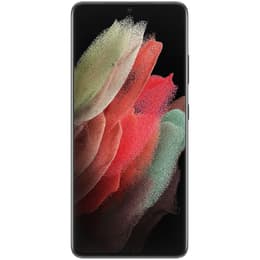
Galaxy S21 Ultra 5G
Galaxy S21 Ultra 5G
Starting at

Refurbished price:228.00

Versus €1,297.00 new

See options
Google Pixel 9
Google Pixel 9
Starting at

Refurbished price:386.00

Versus €1,066.71 new

See options

Ratings

The Samsung Galaxy S21 Ultra 5G, released in January 2021, and the Google Pixel 9, launched in August 2024, represent different generations of flagship Android smartphones. While the S21 Ultra offered a premium experience at its launch, the Pixel 9 brings more recent advancements in processing power, camera technology, and software longevity. Both devices operate on the Android platform, but they offer distinct approaches to user experience and hardware integration.

Scores

Durability

When considering the practical lifespan of these devices, their release timelines and software support policies are key differentiators.

  • Release Timeline: The Galaxy S21 Ultra 5G was released in early 2021, making it a device from a previous generation. The Pixel 9, launched in August 2024, benefits from being a much newer device in the smartphone market.
  • OS Support: The Galaxy S21 Ultra 5G launched with Android 11 and received major OS updates up to Android 14, aligning with Samsung's typical policy of four generations of OS updates. Its security updates are also nearing their conclusion. In contrast, the Google Pixel 9 launched with Android 14 and is promised an extensive seven years of OS updates, security patches, and feature drops, offering significantly longer software longevity.
  • Physical Durability: Both devices feature robust builds with glass fronts and aluminum frames, offering IP68 ratings for dust and water resistance. The S21 Ultra uses Gorilla Glass Victus, while the Pixel 9 features the newer Gorilla Glass Victus 2, potentially offering enhanced scratch and drop resistance.

Year of Release

2021

2024

Compatible with latest Update

Yes

Yes

OS

Android

Android

Foldable

No

No

Performance

The performance of a smartphone is largely determined by its internal components, impacting everything from app responsiveness to demanding tasks.

  • Processing Power: The Galaxy S21 Ultra 5G is powered by a flagship processor from 2021, which capably handles everyday applications and multitasking. The Pixel 9 features Google's Tensor G4 processor, designed with a strong emphasis on on-device artificial intelligence and machine learning tasks, leading to efficient handling of complex AI features and smooth overall performance.
  • Multitasking and Storage: The S21 Ultra 5G offers configurations with 12GB or 16GB of RAM, providing ample capacity for running multiple applications simultaneously. The Pixel 9 comes with 12GB of RAM, which is sufficient for smooth multitasking and responsive operation. Both devices offer various internal storage options, typically ranging from 128GB to 512GB, without expandable storage.
  • Battery Behavior: The Galaxy S21 Ultra 5G is equipped with a 5000 mAh battery, generally providing a full day of use for many users. The Pixel 9 has a 4700 mAh battery, and its Tensor G4 chip is optimized for power efficiency, aiming to deliver comparable real-world battery life through software and hardware integration.

Memory (GB)

12 GB

12 GB

Screen quality

The visual experience on a smartphone is heavily influenced by its display technology and specifications.

  • Display Technology and Resolution: The Galaxy S21 Ultra 5G features a 6.8-inch Dynamic AMOLED 2X display with a sharp QHD+ resolution (3200x1440 pixels), offering deep blacks and vibrant colors. The Pixel 9 has a 6.24-inch OLED Actua display with a resolution of 1080 x 2424 pixels, providing clear visuals in a slightly more compact form factor.
  • Brightness and Refresh Rate: Both devices offer a smooth viewing experience with a 120Hz adaptive refresh rate, which adjusts based on content to conserve battery. The S21 Ultra 5G can reach a peak brightness of up to 1500 nits, ensuring good visibility outdoors. The Pixel 9's display is capable of reaching a peak brightness of 1800 nits for HDR content, enhancing outdoor readability and HDR media consumption.
  • Viewing Experience: The larger display of the S21 Ultra 5G provides an expansive canvas for media consumption and productivity. The Pixel 9's slightly smaller screen offers a more manageable size for one-handed use while still delivering a high-quality visual experience.

Resolution

1440 x 3200

1080 x 2424

Screen type

Dynamic AMOLED 2X

OLED

Audiovisual

Both smartphones offer advanced camera systems, though they approach photography with different philosophies and hardware.

  • Rear Camera System: The Galaxy S21 Ultra 5G boasts a versatile quad-camera setup, including a 108 MP main sensor, a 12 MP ultrawide, and two 10 MP telephoto lenses (3x and 10x optical zoom), providing extensive zooming capabilities. The Pixel 9 features a dual-camera system with a 50 MP main camera and a 48 MP ultrawide lens, focusing on computational photography to enhance image quality.
  • Photography Performance: The S21 Ultra 5G is known for its detailed images and impressive zoom range, making it suitable for capturing distant subjects. The Pixel 9 leverages Google's advanced image processing for natural colors, excellent low-light performance, and features like 8x Super Res Zoom on its main sensor.
  • Video and Audio: The S21 Ultra 5G supports video recording up to 8K at 24 frames per second and 4K at 60 frames per second. The Pixel 9 records 4K video at 60 frames per second and includes features like Audio Magic Eraser for clearer sound in videos. Both devices offer capable microphone quality for calls and recordings, and stereo speakers for media playback.

Main camera

108 megapixels

50 megapixels

Front camera

40 megapixels

10.5 megapixels

Miscellaneous

Beyond core features, several practical elements contribute to the overall user experience and device utility.

  • Connectivity and Ports: Both phones support 5G connectivity for fast mobile data. The S21 Ultra 5G includes Wi-Fi 6E and Bluetooth 5.2. The Pixel 9 features newer connectivity standards, including Wi-Fi 7 and Bluetooth 5.3, along with satellite connectivity for emergency situations. Both utilize a USB-C port for charging and data transfer and lack a traditional headphone jack.
  • Biometrics and Sensors: The S21 Ultra 5G uses an ultrasonic under-display fingerprint sensor and face recognition for secure unlocking. The Pixel 9 also incorporates an under-display fingerprint reader and face unlock, with some reports indicating an ultrasonic fingerprint reader.
  • Build Materials and Handling: The S21 Ultra 5G has dimensions of 165.1 x 75.6 x 8.9 mm and weighs around 227-229 grams, offering a substantial feel. The Pixel 9 is more compact at 152.8 x 72 x 8.5 mm and weighs 198 grams, making it lighter and potentially easier for one-handed use. Both feature premium glass and aluminum constructions.

Weight

227 g

198 g

Screen size (in)

6.8

6.3

Network

5G

5G

SIM card

Physical SIM + eSIM

Physical SIM + eSIM

Carrier compatibility

Unlocked

Unlocked

Connector

USB-C

USB-C

The Samsung Galaxy S21 Ultra 5G and the Google Pixel 9 cater to different user priorities, largely due to their generational gap and distinct manufacturer focuses. Users often praise the S21 Ultra 5G for its expansive and vibrant display, its highly versatile camera system with impressive zoom capabilities, and its robust build quality. Some common feedback for the S21 Ultra 5G includes its size and weight, which some find substantial, and its software update cycle nearing its end.

The Google Pixel 9, being a more recent release, is frequently lauded for its exceptional computational photography, delivering consistent and high-quality images, particularly in challenging conditions. Its clean Android experience and Google's commitment to seven years of software updates are significant advantages for users seeking long-term support and the latest features. User discussions often highlight the Pixel's strong AI integration and its more compact form factor compared to many flagships. Potential considerations for the Pixel 9 might include its battery capacity being slightly smaller than some competitors, though software optimizations aim to mitigate this.

Users prioritizing a large, high-resolution display and a comprehensive, hardware-driven camera system with extensive optical zoom capabilities may find the Galaxy S21 Ultra 5G well-suited to their needs. Conversely, users who value cutting-edge computational photography, a streamlined Android experience, and an extended period of software support will likely lean towards the Google Pixel 9. Both devices offer premium smartphone experiences, and choosing between them often comes down to whether one prefers a feature-rich, slightly older device or a newer model with a strong emphasis on software and AI. For those looking for an eco-friendly and quality-assured option, both models are available as refurbished devices, offering a sustainable choice.


See all articles

Our recent comparisons






