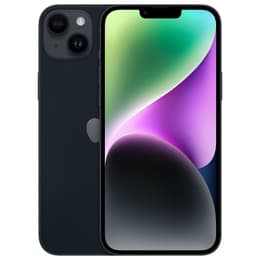
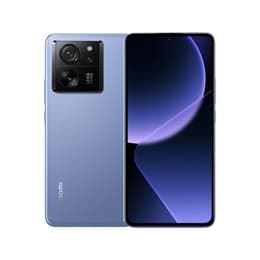


iPhone 14 Plus Vs Xiaomi 13T

iPhone 14 Plus
iPhone 14 Plus
Starting at

Refurbished price:317.00

Versus €879.00 new

See options
Xiaomi 13T
Xiaomi 13T
Starting at

Refurbished price:183.00

Versus €630.00 new

See options

Ratings

The iPhone 14 Plus, released in October 2022, and the Xiaomi 13T, launched in September 2023, are both smartphones designed to offer a comprehensive mobile experience. While the iPhone 14 Plus operates on Apple's iOS ecosystem, the Xiaomi 13T runs on Android with Xiaomi's HyperOS interface. Key distinctions between these two devices lie in their display refresh rates and camera system approaches.

Scores

Durability

When considering the long-term usability of a smartphone, factors like software support, physical durability, and ease of repair play a significant role. Both devices offer robust build qualities, but their software longevity and repair ecosystems differ.

  • Software Support: The iPhone 14 Plus, running iOS, typically receives major operating system updates for approximately five to six years from its release, extending its functional lifespan. The Xiaomi 13T, on the other hand, has a stated policy of four generations of Android OS upgrades and five years of security patches, which is a notable commitment for an Android device.
  • Physical Durability: The iPhone 14 Plus features a Ceramic Shield front cover and an aluminum frame, contributing to its resilience against drops and scratches. Both devices carry an IP68 rating for dust and water resistance, indicating protection against immersion in water. The Xiaomi 13T utilizes Corning Gorilla Glass 5 for screen protection and offers variants with either a glass or eco-leather back, alongside a plastic frame.
  • Practical Lifespan: Users can expect both phones to remain capable daily drivers for several years, with the iPhone 14 Plus potentially offering a slightly longer period of major OS updates, while the Xiaomi 13T's extended Android support policy is competitive within its ecosystem. Choosing a quality-assured refurbished option for either model can further extend its practical lifespan in an eco-friendly manner.

Year of Release

2022

2023

Compatible with latest Update

Yes

Yes

OS

iOS

Android

Foldable

No

No

Performance

The performance of a smartphone is crucial for daily tasks, from navigating apps to demanding gaming sessions. Both the iPhone 14 Plus and the Xiaomi 13T are equipped with capable internal components designed for smooth operation, though they approach performance from different architectural standpoints.

  • System Responsiveness: The iPhone 14 Plus is powered by a processor that ensures fluid navigation, quick app launches, and efficient multitasking. This allows for a consistently smooth user experience across various applications and demanding tasks. The Xiaomi 13T features a modern processor built on a 4nm process, which contributes to strong performance in everyday use and power efficiency.
  • Multitasking and Storage: The iPhone 14 Plus comes with 6GB of RAM, which is sufficient for handling multiple applications simultaneously without significant slowdowns. It offers storage options up to 512GB. The Xiaomi 13T is available with 8GB or 12GB of RAM, providing ample capacity for extensive multitasking and resource-intensive applications, paired with 256GB of storage.
  • Battery Behavior: The iPhone 14 Plus is recognized for its extended battery life, often lasting through a full day of heavy use and sometimes longer, making it suitable for users who prioritize endurance. The Xiaomi 13T houses a larger battery capacity and supports fast charging, allowing for quick power replenishment, though some user reports suggest its overall endurance might be more aligned with a full day of moderate use.

Memory (GB)

6 GB

8 GB

Screen quality

The display is a primary interface for any smartphone, and both the iPhone 14 Plus and the Xiaomi 13T offer vibrant and clear viewing experiences, albeit with distinct characteristics in their underlying technology and capabilities.

  • Display Technology and Clarity: The iPhone 14 Plus features a 6.7-inch Super Retina XDR OLED display, delivering deep blacks, high contrast, and vibrant colors with a resolution of 2778x1284 pixels at 458 pixels per inch. The Xiaomi 13T sports a 6.67-inch AMOLED display with a 1.5K resolution (2712x1220 pixels) at 446 ppi, also providing excellent clarity and color reproduction.
  • Brightness and Refresh Rate: The iPhone 14 Plus offers a typical maximum brightness of 800 nits and a peak HDR brightness of 1200 nits, ensuring good visibility in various lighting conditions. Its refresh rate is 60Hz. The Xiaomi 13T excels with a higher typical brightness of 1200 nits and an impressive peak brightness of 2600 nits, making it highly visible even in bright outdoor environments. It also boasts a 144Hz refresh rate, which provides noticeably smoother scrolling and animations compared to a 60Hz display.
  • Viewing Experience: Both displays offer an immersive viewing experience for media consumption and daily tasks. Users prioritizing ultra-smooth motion and higher peak brightness for outdoor use might find the Xiaomi 13T's display more appealing, while the iPhone 14 Plus provides a consistently high-quality OLED panel with excellent color accuracy.

Resolution

1284 x 2778

1220 x 2712

Screen type

Super Retina XDR OLED

AMOLED

Audiovisual

The camera systems on both the iPhone 14 Plus and the Xiaomi 13T are designed to capture high-quality images and videos, though they feature different configurations and processing philosophies.

  • Rear Camera Capabilities: The iPhone 14 Plus is equipped with a dual 12MP camera system, featuring an improved main sensor with a wider aperture and sensor-shift optical image stabilization, alongside a 12MP ultrawide lens. It benefits from Apple's Photonic Engine for enhanced low-light performance. The Xiaomi 13T boasts a versatile triple camera setup co-engineered with Leica, including a 50MP main camera with optical image stabilization, a 50MP telephoto lens offering 2x optical zoom, and a 12MP ultrawide camera.
  • Photography Performance: The iPhone 14 Plus delivers consistent and detailed photos with natural color reproduction, particularly excelling in low-light conditions due to its larger sensor and computational photography. The Xiaomi 13T's Leica-tuned cameras offer distinct photographic styles and produce sharp, detailed images with good dynamic range, performing well in various lighting scenarios, including low light with its dedicated Night mode. The inclusion of a dedicated telephoto lens on the Xiaomi 13T provides more flexibility for zoomed shots.
  • Video Recording and Audio: Both devices are capable of recording high-quality video. The iPhone 14 Plus includes features like Action mode for stabilized video. The Xiaomi 13T supports 4K video recording across all its focal lengths, with good stabilization and audio capture. Both phones offer stereo speakers for an enhanced media consumption experience.

Main camera

12 megapixels

50 megapixels

Front camera

12 megapixels

20 megapixels

Miscellaneous

Beyond core performance and camera, several practical elements contribute to the overall user experience of a smartphone. The iPhone 14 Plus and Xiaomi 13T offer different approaches to connectivity, physical design, and user interaction features.

  • Connectivity and Ports: Both devices support 5G connectivity for fast mobile data. The iPhone 14 Plus uses the Lightning port for charging and data transfer, while the Xiaomi 13T features a more universal USB-C port. The Xiaomi 13T also includes an infrared (IR) blaster, a feature not found on the iPhone, which allows it to function as a universal remote control.
  • Biometric Security and Design: The iPhone 14 Plus relies on Face ID for secure facial recognition. The Xiaomi 13T incorporates an in-screen fingerprint sensor for biometric authentication, alongside AI face unlock. In terms of physical design, the iPhone 14 Plus has an aluminum frame and a glass back, weighing 203 grams. The Xiaomi 13T, with its glass or eco-leather back and plastic frame, weighs slightly less at 193-197 grams.
  • Handling and Build Materials: The dimensions of the iPhone 14 Plus are 160.8 x 78.1 x 7.8 mm, offering a substantial but manageable form factor. The Xiaomi 13T measures 162.2 x 75.7 x 8.49 mm (glass version), making it slightly taller and thicker but narrower. Both devices are built to withstand daily use, with the iPhone's Ceramic Shield offering advanced front glass protection.

Weight

150 g

193 g

Screen size (in)

6.7

6.67

Network

5G

5G

SIM card

eSIM

Dual Physical SIM

Carrier compatibility

Unlocked

Unlocked

Connector

Lightning

USB-C

The iPhone 14 Plus and Xiaomi 13T cater to users with distinct priorities, reflecting their respective operating systems and design philosophies. User feedback for the iPhone 14 Plus frequently praises its exceptional battery life, often cited as one of the best among iPhones, and its consistent camera performance, particularly in challenging lighting. Some users, however, note the 60Hz display refresh rate as a point of comparison with Android devices that offer higher rates. The Xiaomi 13T receives commendation for its vibrant 144Hz display, its versatile Leica-tuned camera system with optical zoom, and its commitment to extended software updates. Criticisms sometimes point to its battery life being good but not as outstanding as some competitors, and the presence of a plastic frame on some variants.

Users prioritizing a long-lasting battery, a highly optimized software experience, and a robust, consistent camera for everyday moments may find the iPhone 14 Plus well-suited to their needs. Its integration within the Apple ecosystem also appeals to those already invested in Apple services and accessories. Conversely, users who value a high refresh rate display for smoother interactions, a more versatile camera system with optical zoom, and the open nature of the Android operating system with a strong update commitment might lean towards the Xiaomi 13T. Its fast charging capabilities also appeal to those who need quick power-ups.

Ultimately, the choice between these two devices depends on individual preferences for operating system, specific camera features, display fluidity, and battery endurance. Both models, when considered as quality-assured refurbished options, offer a sustainable choice for consumers looking for capable smartphones.
See all articles

Our recent comparisons






