
Galaxy Z Flip5 Vs iPhone 16

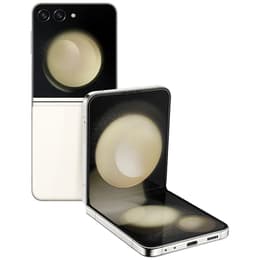
Galaxy Z Flip5
Galaxy Z Flip5
Starting at

Refurbished price:357.00

Versus €1,340.00 new

See options
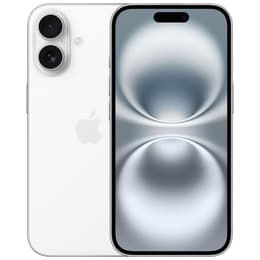
iPhone 16
iPhone 16
Starting at

Refurbished price:548.00

Versus €879.00 new

See options

Ratings

The Samsung Galaxy Z Flip5 (2023) and the Apple iPhone 16 (2024) represent distinct approaches to modern smartphone design. The Galaxy Z Flip5 offers a unique foldable form factor, allowing it to become more compact when not in use, while the iPhone 16 maintains a traditional slab design. Both devices run on their respective flagship operating systems, Android and iOS, and feature advanced camera systems and powerful internal components.

Scores

Durability

When considering the long-term usability of these devices, several factors come into play, including their release timelines, software support, and physical resilience.

  • Release Timeline: The Galaxy Z Flip5 was released in August 2023, making it a year older than the iPhone 16, which launched in September 2024. This difference in release dates means the iPhone 16 will likely receive software updates for a longer period.
  • Software Longevity: Apple typically provides iOS updates for five to six years or more for its devices, while Android manufacturers generally offer around four to five years of major OS updates and security patches. The iPhone 16 ships with iOS 18, and the Galaxy Z Flip5 launched with Android 13.
  • Physical Durability: The iPhone 16 features a Ceramic Shield front cover and an aluminum frame, offering good resistance to scratches and bends. The Galaxy Z Flip5, with its foldable design, has an IPX8 water resistance rating, but the folding screen introduces a different set of durability considerations compared to a rigid display.

Year of Release

2023

2024

Compatible with latest Update

Yes

Yes

Foldable

Yes

No

Performance

Both the Galaxy Z Flip5 and the iPhone 16 are equipped with powerful processors designed to handle demanding tasks and ensure smooth operation.

  • Processing Power: The Galaxy Z Flip5 is powered by a current-generation processor optimized for Galaxy devices, which provides efficient performance for everyday applications, multitasking, and gaming. The iPhone 16 features Apple's latest A-series chip, designed for enhanced speed and power efficiency, particularly beneficial for complex computations and AI-driven features.
  • Multitasking and Storage: Both devices come with 8GB of RAM, allowing for efficient multitasking and app management. Storage options for the Galaxy Z Flip5 include 256GB and 512GB, while the iPhone 16 offers 128GB, 256GB, and 512GB configurations.
  • Battery Behavior: The Galaxy Z Flip5 has a 3700 mAh battery, with user experiences suggesting it can last a full day with moderate use, though heavy users might find themselves needing to recharge sooner. The iPhone 16, with its larger battery capacity and efficient processor, is designed to provide extended usage, often lasting a full day with typical use and some reserve.

Memory (GB)

8 GB

8 GB

Screen quality

The display is a primary interaction point for any smartphone, and these two devices offer distinct visual experiences.

  • Display Technology and Size: The Galaxy Z Flip5 features a 6.7-inch foldable Dynamic AMOLED 2X main display with a variable refresh rate up to 120Hz, providing smooth scrolling and responsive visuals. It also has a 3.4-inch cover screen for quick interactions when folded. The iPhone 16 comes with a 6.1-inch Super Retina XDR OLED display.
  • Resolution and Brightness: The Galaxy Z Flip5's main display has a resolution of 1080 x 2640 pixels and a peak brightness of 1750 nits. The iPhone 16 offers a resolution of 2556 x 1179 pixels at 460 pixels per inch, with a typical maximum brightness of 1000 nits, a peak HDR brightness of 1600 nits, and an outdoor peak brightness of 2000 nits.
  • Refresh Rate: The Galaxy Z Flip5's adaptive 120Hz refresh rate contributes to a fluid user experience. The standard iPhone 16 models do not support the 120Hz ProMotion refresh rate, operating at a standard 60Hz.

Resolution

1080 x 2640

1179 x 2556

Screen type

Foldable Dynamic AMOLED 2X

Super Retina XDR OLED

Audiovisual

Both smartphones offer advanced camera systems, though their approaches and capabilities differ, catering to various photography preferences.

  • Rear Camera System: The Galaxy Z Flip5 features a dual-camera setup with a 12MP main sensor (f/1.8 with optical image stabilization) and a 12MP ultrawide sensor (f/2.2). It does not include a dedicated telephoto lens. The iPhone 16 has an advanced dual-camera system, including a 48MP main camera (f/1.6 with sensor-shift optical image stabilization) that can also enable 2x telephoto shots through sensor cropping, and a 12MP ultrawide camera (f/2.2).
  • Photography Features: The Galaxy Z Flip5 is praised for producing sharp images with vibrant colors in good lighting, and its foldable design allows for unique selfie angles using the main camera. The iPhone 16 introduces macro photography to its standard models for the first time and features a new vertical camera layout.
  • Video Capabilities and Audio: Both devices offer 4K video recording at 60 frames per second. The iPhone 16 also supports improved Dolby Vision recording and spatial audio recording.

Main camera

12 megapixels

48 megapixels

Front camera

10 megapixels

12 megapixels

Miscellaneous

Beyond core specifications, several practical elements contribute to the overall user experience and differentiate these two devices.

  • Connectivity and Ports: Both the Galaxy Z Flip5 and iPhone 16 support 5G connectivity. The Galaxy Z Flip5 uses Wi-Fi 6 and Bluetooth 5.3, with a USB Type-C 2.0 port. The iPhone 16 supports Wi-Fi 6/7 and Bluetooth 5.3, featuring a USB-C port.
  • Physical Design and Handling: The Galaxy Z Flip5's defining feature is its foldable design, making it highly portable and compact when closed. It weighs 187 grams. The iPhone 16 has a traditional slab design, weighing 170 grams, and features an aluminum frame with a Ceramic Shield front.
  • User Interaction and Security: The Galaxy Z Flip5 includes a side-mounted fingerprint sensor. The iPhone 16 utilizes Face ID for secure authentication and introduces a new Camera Control button alongside the Action Button, enhancing user interaction.

Weight

187 g

170 g

Screen size (in)

6.7 /3.4

6.1

Network

5G

5G

SIM card

Physical SIM + eSIM

eSIM

Carrier compatibility

Unlocked

Unlocked

The Samsung Galaxy Z Flip5 and the iPhone 16 cater to different user preferences, primarily distinguished by their form factors and operating systems. Users often praise the Galaxy Z Flip5 for its innovative foldable design, which offers a compact footprint and a larger, more functional cover screen for quick interactions. Its camera system is generally well-regarded for producing vibrant photos, especially for selfies, leveraging the unique hinge.

However, some users have noted that the Galaxy Z Flip5's battery life, while improved, can still be a concern for heavy usage, and the absence of a telephoto lens is a frequent criticism. The iPhone 16, on the other hand, is lauded for its robust performance, enhanced battery life, and the consistent quality of its camera system, which now includes macro photography for standard models. Its Ceramic Shield display and IP68 rating contribute to its perceived durability.

For individuals prioritizing a compact and unique device that stands out, the Galaxy Z Flip5 is a compelling choice, particularly for those who enjoy its versatile camera angles and larger cover display. Conversely, users who value a traditional smartphone experience with a focus on long-term software support, consistent performance, and a highly durable build will likely find the iPhone 16 more suitable. Both devices offer a quality-assured refurbished option, providing an eco-friendly alternative for consumers seeking to make informed and sustainable choices.


See all articles

Our recent comparisons