
Samsung

Compare models
Differences at a glance
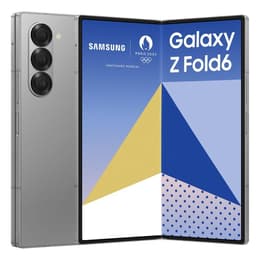
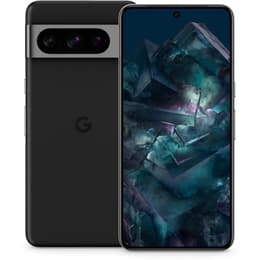
The Samsung Galaxy Z Fold6, released in July 2024, and the Google Pixel 8 Pro, launched in October 2023, represent distinct philosophies in the premium smartphone market. The Z Fold6 offers a unique foldable design that transforms from a conventional smartphone into a larger, tablet-like display, emphasizing productivity and immersive viewing experiences. In contrast, the Pixel 8 Pro maintains a traditional slab form factor, prioritizing advanced computational photography, a streamlined Android experience, and deep AI integration. Both devices operate on the Android platform, but they feature different software overlays and unique feature sets tailored to their respective designs and target users.
Colour
Storage
When evaluating the long-term viability of these devices, their release timelines and software support policies are key considerations, alongside their physical construction.
Year of Release
Both the Galaxy Z Fold6 and the Google Pixel 8 Pro deliver high-end performance, though their underlying architectures are optimized for different strengths and user experiences.
The display experience is a primary distinction between these two premium smartphones, offering different benefits based on their unique designs and user needs.
Both smartphones offer advanced camera systems designed to capture high-quality images and videos, though they approach photography with different strengths and features.
Beyond core specifications, several practical elements differentiate the user experience and functionality of these two devices.
Screen size (in)
Network
SIM card
Carrier compatibility
The Samsung Galaxy Z Fold6 and the Google Pixel 8 Pro cater to different user priorities, each excelling in its specialized areas. Users often praise the Z Fold6 for its innovative foldable design, which offers unparalleled multitasking capabilities and a large, immersive display for media consumption and productivity. Its wider cover screen in this generation has also been a point of positive feedback, making it more usable as a traditional smartphone when folded. Some common criticisms, however, revolve around the inherent fragility of the inner foldable screen compared to conventional displays and its slightly heavier build.
The Google Pixel 8 Pro is frequently lauded for its exceptional camera performance, driven by advanced computational photography and AI features that simplify capturing high-quality images and videos. Its commitment to seven years of software updates is a significant advantage for users seeking long-term device support. Users also appreciate its clean Android experience and robust build quality with an IP68 rating. Some feedback points to its processor, while powerful for AI tasks, not always matching the raw performance benchmarks of some competitors in general computing.
Users prioritizing a versatile device that can transform from a compact phone to a large-screen tablet for enhanced productivity and media viewing may prefer the Galaxy Z Fold6. Its unique form factor is ideal for those who frequently switch between phone and tablet modes. Conversely, users who value a consistently excellent camera, a long-lasting software experience, and a traditional, highly durable smartphone design will find the Pixel 8 Pro well-suited to their needs. Both devices offer premium experiences, and for those considering a sustainable choice, quality-assured refurbished options are available, providing an eco-friendly alternative.