

Galaxy A33 5G Vs iPhone 16e

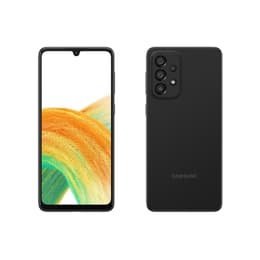
Galaxy A33 5G
Galaxy A33 5G
Starting at

Refurbished price:100.00

Versus €389.00 new

See options
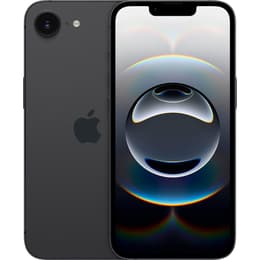
iPhone 16e
iPhone 16e
Starting at

Refurbished price:387.00

Versus €719.00 new

See options

Ratings

The Samsung Galaxy A33 5G, released in 2022, is an Android-powered smartphone known for its balanced features, while the iPhone 16E, launched in early 2025, represents Apple's entry into the iPhone 16 series, running on iOS. These devices cater to different user preferences, primarily differing in their operating systems, display technology, and camera approaches.

Scores

Durability

When considering the practical lifespan of these devices, several factors come into play, including their release timelines, software support, and physical resilience.

  • Release Timeline: The Galaxy A33 5G was introduced in April 2022, making it a mid-range device from a few years ago. The iPhone 16E, on the other hand, was released in February 2025, positioning it as a much newer device in the smartphone market. [1, 5, 7]
  • Software Longevity: Samsung has committed to providing four generations of Android software updates and five years of security updates for the Galaxy A33 5G, offering a substantial period of support. [5] The iPhone 16E launched with iOS 18.3 and supports iOS 26, indicating a long software support cycle typical of Apple devices. [1] Users can expect the iPhone 16E to receive major iOS updates for several years, likely extending its functional lifespan beyond that of the Galaxy A33 5G due to its more recent release.
  • Physical Durability: The Galaxy A33 5G features Gorilla Glass 5 for screen protection and carries an IP67 rating for dust and water resistance, meaning it can withstand submersion in up to 1 meter of freshwater for 30 minutes. [5, 18] The iPhone 16E offers enhanced protection with Ceramic Shield on its display and an IP68 rating, allowing for submersion in up to 6 meters of water for 30 minutes, suggesting a slightly more robust build against environmental elements. [4, 10]

Year of Release

2022

2025

OS

Android

iOS

Foldable

No

No

Performance

The performance of a smartphone is crucial for daily tasks, from app usage to multitasking and gaming. Both devices offer capable performance for their respective ecosystems.

  • Processing Power: The Galaxy A33 5G is equipped with an octa-core processor, which handles everyday applications and moderate multitasking smoothly. [5, 6] The iPhone 16E features a more recent generation processor, designed to deliver responsive performance across demanding applications and support advanced features like Apple Intelligence. [1, 3, 4]
  • Multitasking and Storage: The Galaxy A33 5G comes with 6GB or 8GB of RAM and offers 128GB or 256GB of internal storage, with the added flexibility of microSD card expansion up to 1TB. [5, 19] The iPhone 16E includes 8GB of RAM and storage options of 128GB, 256GB, or 512GB, but does not support expandable storage. [4, 21, 22] For users who frequently manage many apps simultaneously or require extensive local storage for media, these specifications are important considerations.
  • Real-world Responsiveness: Users of the Galaxy A33 5G generally report a fluid experience for typical smartphone activities, including web browsing and social media. The iPhone 16E, with its newer processor, provides a highly responsive user experience, ensuring quick app launches and smooth transitions, particularly beneficial for intensive tasks and future software capabilities. [1, 4]

Memory (GB)

6 GB

8 GB

Screen quality

The display is a primary interface for any smartphone, and both models offer distinct visual experiences tailored to their design philosophies.

  • Display Technology and Resolution: The Galaxy A33 5G features a 6.4-inch Super AMOLED display with a resolution of 1080x2400 pixels, providing vibrant colors and deep blacks. [5, 6] The iPhone 16E has a 6.1-inch Super Retina XDR OLED display with a resolution of 2532x1170 pixels, also delivering rich colors and excellent contrast. [1, 4, 12]
  • Refresh Rate and Brightness: The Galaxy A33 5G offers a 90Hz refresh rate, contributing to smoother scrolling and a more fluid visual experience compared to standard 60Hz displays. [5, 6] The iPhone 16E maintains a 60Hz refresh rate but compensates with high brightness levels, reaching 800 nits typical and up to 1200 nits peak for HDR content, which enhances visibility in bright conditions. [4, 12]
  • Design and Viewing Experience: The Galaxy A33 5G utilizes an Infinity-U 'waterdrop' notch design, while the iPhone 16E features a traditional notch design, similar to the iPhone 14. [1, 5] Both displays offer a clear and immersive viewing experience for media consumption, though the iPhone 16E's higher peak brightness can be advantageous for outdoor use or HDR content.

Resolution

1080 x 2400

2532x1170

Audiovisual

Camera capabilities are a significant factor for many users, and these devices approach photography with different hardware configurations and software optimizations.

  • Rear Camera System: The Galaxy A33 5G boasts a versatile quad-camera setup, including a 48MP main sensor with optical image stabilization (OIS), an 8MP ultrawide lens, a 5MP macro lens, and a 2MP depth sensor, offering flexibility for various shooting scenarios. [5, 19] The iPhone 16E features a single 48MP Fusion main camera with OIS, which also enables a 2x optical-quality telephoto zoom through sensor cropping, focusing on high-quality primary shots. [1, 3, 12]
  • Photography Performance: The Galaxy A33 5G delivers good results in well-lit conditions, with its OIS helping to reduce blur. Its ultrawide and macro lenses provide creative options. The iPhone 16E's 48MP Fusion camera is designed for detailed images, excelling in everyday photography and offering strong low-light performance due to its larger sensor and advanced image processing. [1, 4, 12]
  • Video Recording and Front Camera: Both devices are capable of recording 4K video at 30 frames per second (fps), with the iPhone 16E extending to 60fps for smoother footage. [5, 12] For selfies and video calls, the Galaxy A33 5G has a 13MP front camera, while the iPhone 16E features a 12MP front camera with advanced features like autofocus and improved low-light capabilities. [5, 10, 12]

Front camera

13 megapixels

TrueDepth 12MP

Miscellaneous

Beyond the core features, several practical elements contribute to the overall user experience and daily convenience of these smartphones.

  • Connectivity and Ports: Both devices support 5G connectivity for fast mobile data. The Galaxy A33 5G uses Wi-Fi 5 (802.11ac) and Bluetooth 5.1, while the iPhone 16E is equipped with Wi-Fi 6 (802.11ax) and Bluetooth 5.3, offering potentially faster and more stable wireless connections. [3, 5, 10, 19] The Galaxy A33 5G has a USB-C 2.0 port, and the iPhone 16E also features a USB-C port, marking a transition from Apple's proprietary Lightning connector. [3, 5] Neither device includes a 3.5mm headphone jack. [5, 18]
  • Biometrics and User Interface: The Galaxy A33 5G incorporates an in-display fingerprint sensor for secure unlocking. [8] The iPhone 16E relies on Face ID for biometric authentication and introduces an Action Button, which is a customizable physical button for quick access to various functions. [1, 4]
  • Design and Handling: The Galaxy A33 5G has dimensions of 159.7 x 74 x 8.1 mm and weighs 186 grams. [5] The iPhone 16E is slightly more compact and lighter, measuring approximately 146.8 x 71.6 x 7.9 mm and weighing around 167 grams. [10] Both devices feature a modern design with a focus on a comfortable in-hand feel.

Weight

186 g

167 g

Screen size (in)

6.4

6.1

Network

5G

5G

SIM card

Dual Physical SIM

eSIM

Carrier compatibility

Unlocked

Unlocked

The Samsung Galaxy A33 5G and the iPhone 16E offer distinct experiences, each with its own set of strengths that appeal to different user needs. User feedback for the Galaxy A33 5G often praises its vibrant AMOLED display with a higher refresh rate, its long-lasting battery, and the flexibility of expandable storage. Some users appreciate the quad-camera system for its versatility. Criticisms sometimes point to its processor performance not matching higher-end devices or the presence of a notch design that some find dated. [5, 6, 8]

For the iPhone 16E, common praise highlights its powerful and efficient processor, the high-quality OLED display, and the robust iOS ecosystem with its long-term software support. Users also value the advanced single main camera and the inclusion of features like Face ID and the Action Button. Some common observations might include its 60Hz refresh rate, which is lower than some Android counterparts, and the continued use of a notch design rather than a Dynamic Island. [1, 4, 12]

Users prioritizing an Android experience with a high refresh rate display, expandable storage, and a versatile multi-lens camera system may find the Galaxy A33 5G well-suited to their needs. It offers a comprehensive feature set for everyday use and media consumption. Conversely, users who value the iOS ecosystem, a powerful and future-proof processor, superior display protection, and a streamlined camera experience focused on quality over quantity of lenses will likely lean towards the iPhone 16E. Its newer release date also provides a longer runway for software updates and overall longevity.

Both devices represent solid choices within their respective categories, and considering a quality-assured refurbished option for either model can be an eco-friendly alternative to purchasing new, allowing users to make informed and sustainable choices.


See all articles

Our recent comparisons