
iPhone

Compare models
Differences at a glance
The Google Pixel 7, released in October 2022, and the Apple iPhone 16, launched in September 2024, represent different generations and operating systems within the smartphone landscape. While the Pixel 7 operates on Android, the iPhone 16 runs on Apple's iOS platform. A primary distinction between these two devices lies in their release timelines, leading to differences in processing power, camera capabilities, and expected software longevity.
Colour
Storage
When considering the practical lifespan of these devices, their respective release dates and software support policies are key factors.
Year of Release
The performance of a smartphone is largely determined by its internal components, particularly the processor and RAM, which influence how smoothly applications run and how efficiently the device handles demanding tasks.
The display is a primary interface for smartphone interaction, and differences in technology, resolution, and refresh rate can significantly impact the visual experience.
Both Google and Apple are recognized for their advanced computational photography, but their camera systems offer distinct features and performance characteristics.
Beyond core specifications, several practical elements contribute to the overall user experience, including connectivity, physical design, and unique features.
Screen size (in)
Network
SIM card
Carrier compatibility
Connector
The Google Pixel 7 and iPhone 16 cater to different user preferences and priorities, largely due to their distinct operating systems and release timelines. The Pixel 7, a 2022 release, is frequently praised by users for its exceptional camera capabilities, particularly its computational photography and low-light performance, often described as producing impressive images. Its clean Android experience and timely updates are also noted as positives. However, common criticisms from users include inconsistent performance of the under-display fingerprint scanner, mixed battery life experiences, and occasional reports of the device running warm.
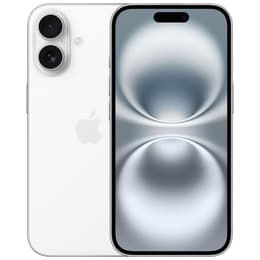
The iPhone 16, released in 2024, benefits from newer hardware and software advancements. It offers a more powerful processor, an extended period of software support, and new features like the customizable Action Button and the dedicated Capture Button for enhanced camera control. Its camera system is expected to deliver improved low-light performance and new capabilities like spatial video capture. Users who prioritize the latest technology, a longer software update cycle, and the iOS ecosystem will find the iPhone 16 well-suited to their needs. Those who value Google's unique computational photography, a pure Android experience, and a slightly larger display might lean towards the Pixel 7.
For consumers evaluating these devices, considering quality-assured refurbished options can provide an eco-friendly alternative, extending the life cycle of these products while offering a more sustainable choice.