

iPhone 16e Vs Xiaomi 13T Pro

iPhone 16e
iPhone 16e
Starting at

Refurbished price:387.00

Versus €719.00 new

See options
Xiaomi 13T Pro
Xiaomi 13T Pro
Starting at

Refurbished price:245.00

Versus €900.00 new

See options

Ratings

The iPhone 16E, released in February 2025, and the Xiaomi 13T Pro, launched in September 2023, represent distinct approaches to smartphone design and functionality. While the iPhone 16E offers Apple's ecosystem with a focus on core performance and user experience, the Xiaomi 13T Pro emphasizes advanced display technology, versatile camera capabilities, and rapid charging. Both devices operate on their respective modern operating systems, iOS and Android, providing a wide range of applications and services.

Scores

Durability

When considering the long-term usability of these devices, their release timelines and software support policies are key factors.

  • Release Timeline: The Xiaomi 13T Pro was released in September 2023, making it an established device. The iPhone 16E, introduced in February 2025, benefits from a more recent launch, potentially extending its relevance in terms of hardware and software compatibility.
  • Software Longevity: The iPhone 16E, running on iOS, is expected to receive major operating system updates for approximately five to six years from its release, ensuring access to new features and security enhancements well into the future. The Xiaomi 13T Pro, which launched with Android 13 and has since updated to HyperOS 3 based on Android 16, is committed to four major Android OS updates and five years of security patches, extending its support until around 2028 for security updates.
  • Durability Features: Both devices offer robust build quality. The Xiaomi 13T Pro features Corning Gorilla Glass 5 for screen protection and an IP68 rating for dust and water resistance, indicating resilience against environmental factors. The iPhone 16E is also expected to feature a durable design, likely including Apple's Ceramic Shield front cover and an IP rating for water and dust resistance, aligning with Apple's standards for device longevity.

Year of Release

2025

2023

OS

iOS

Android

Foldable

No

No

Performance

Performance is a critical aspect for daily use, influencing how smoothly applications run and how efficiently tasks are handled.

  • Processing Power: The iPhone 16E is equipped with Apple's A18 Bionic chip, providing a speedy processor that handles demanding applications and multitasking with efficiency. This chip ensures a responsive user experience across the iOS ecosystem. The Xiaomi 13T Pro is powered by the MediaTek Dimensity 9200+ chipset, which delivers strong performance, particularly noted for smooth gaming and efficient handling of intensive mobile applications.
  • Multitasking and Storage: The Xiaomi 13T Pro offers substantial RAM configurations, up to 16GB, paired with UFS 4.0 storage options reaching 1TB, contributing to fluid multitasking and rapid data access. While specific RAM details for the iPhone 16E are not highlighted, Apple's integrated hardware and software optimization typically ensure efficient performance even with less raw RAM. Both devices offer various internal storage capacities to suit different user needs.
  • Battery Efficiency: The iPhone 16E features an improved battery, capable of up to 24 hours of video playback, suggesting strong endurance for extended use. The Xiaomi 13T Pro houses a 5000mAh battery, generally providing over a full day of use for many users. For rapid power replenishment, the Xiaomi 13T Pro supports 120W wired fast charging, capable of reaching a full charge in approximately 19 minutes. The iPhone 16E supports wireless charging, though without MagSafe technology.

Memory (GB)

8 GB

16 GB

Screen quality

The display is the primary interface for interaction, and both devices offer distinct visual experiences.

  • Display Technology and Clarity: Both the iPhone 16E and the Xiaomi 13T Pro feature OLED display technology, known for deep blacks and vibrant colors. The Xiaomi 13T Pro boasts a 6.67-inch AMOLED panel with a resolution of 1220 x 2712 pixels, providing a clear and detailed viewing experience. The iPhone 16E features a 6.1-inch OLED display, offering crisp visuals within a more compact form factor.
  • Brightness and Refresh Rate: The Xiaomi 13T Pro stands out with a high 144Hz refresh rate, contributing to exceptionally smooth scrolling and fluid animations, alongside an impressive peak brightness of 2600 nits, ensuring excellent visibility even in bright outdoor conditions. The iPhone 16E maintains a standard 60Hz refresh rate and offers a maximum brightness of 1200 nits, which is suitable for most viewing environments but less bright than the Xiaomi device.
  • Design Elements: The iPhone 16E retains a traditional notch design for its front camera and sensors. In contrast, the Xiaomi 13T Pro features a more contemporary punch-hole design, maximizing screen real estate.

Resolution

2532x1170

1220 x 2712

Audiovisual

Camera capabilities are a significant consideration for many users, and these devices offer different photographic strengths.

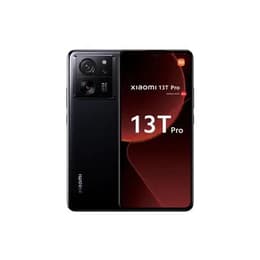
  • Rear Camera Systems: The Xiaomi 13T Pro features a versatile triple-camera system co-engineered with Leica, including a 50MP main sensor with optical image stabilization, a 50MP telephoto lens with 2x optical zoom, and a 12MP ultrawide lens. This setup provides flexibility for various photographic scenarios, from detailed close-ups to expansive landscapes. The iPhone 16E, positioned as a more streamlined option, includes a single 48MP wide-angle main camera. It does not offer dedicated telephoto or ultrawide lenses.
  • Photography Features: The Xiaomi 13T Pro offers specific Leica photographic styles, 'Authentic' and 'Vibrant,' allowing users to customize the look of their images. Its main camera performs well in various lighting conditions, supported by optical image stabilization. The iPhone 16E's single camera benefits from Apple's computational photography, delivering consistent image quality and detail in everyday shooting.
  • Video Recording and Front Camera: For video, the Xiaomi 13T Pro is capable of recording up to 8K resolution at 24 frames per second and 4K at 60 frames per second, offering advanced options for videographers. It also features a 20MP front camera for selfies and video calls. The iPhone 16E also supports high-quality video recording, typically up to 4K, and includes a 12MP front lens suitable for clear video calls and self-portraits.

Miscellaneous

Beyond core features, several practical elements contribute to the overall user experience and device utility.

  • Connectivity Standards: Both devices support modern connectivity. The Xiaomi 13T Pro is equipped with Wi-Fi 7 and Bluetooth 5.4, offering fast and efficient wireless communication. The iPhone 16E features a custom Apple C1 5G modem, designed for energy efficiency and improved cellular performance, and is expected to support advanced Wi-Fi standards.
  • Physical Design and Handling: The Xiaomi 13T Pro has dimensions of 162.2 x 75.7 x 8.5 mm and weighs between 200g and 206g, depending on the variant, offering a substantial feel. It is available with either a glass or vegan leather back. The iPhone 16E, with its 6.1-inch display, generally offers a more compact and lighter form factor, featuring an aluminum frame.
  • Ports and Biometrics: Both smartphones utilize a USB-C port for charging and data transfer. The Xiaomi 13T Pro includes an under-display optical fingerprint sensor for secure unlocking. The iPhone 16E relies on Face ID for biometric authentication and also features an Action Button, which can be customized for quick access to various functions. Neither device includes a traditional 3.5mm headphone jack.

Weight

167 g

206 g

Screen size (in)

6.1

6.67

Network

5G

5G

SIM card

eSIM

Physical SIM + eSIM

Carrier compatibility

Unlocked

Unlocked

Connector

USB-C

USB-C

The iPhone 16E and Xiaomi 13T Pro cater to different user priorities, each excelling in specific areas. The Xiaomi 13T Pro is frequently praised for its vibrant 144Hz AMOLED display, rapid 120W charging, and versatile Leica-tuned camera system, making it a strong contender for users who prioritize multimedia consumption, mobile gaming, and photography. Some users, however, note that its battery life, while generally good, might not always match the endurance of some competitors under heavy use, and the software experience with MIUI/HyperOS can be a point of discussion for those accustomed to other Android interfaces.

The iPhone 16E, on the other hand, is often lauded for its seamless integration within the Apple ecosystem, consistent performance driven by its A18 Bionic chip, and extended software support. Users appreciate its reliable battery life and the inclusion of features like the Action Button. Criticisms often center on its more traditional design, including the notch, a 60Hz display, and the absence of a multi-lens camera system, which might be a trade-off for its positioning. The lack of MagSafe wireless charging is also a notable difference compared to other iPhone models.

Users prioritizing a high refresh rate display, advanced camera versatility, and exceptionally fast wired charging may find the Xiaomi 13T Pro well-suited to their needs. Conversely, those who value long-term software support, a streamlined user experience, and integration with Apple's services may lean toward the iPhone 16E. Both devices offer compelling features, and choosing between them often comes down to individual preferences for operating system, camera capabilities, and display characteristics. For those seeking an eco-friendly and quality-assured option, considering a refurbished version of either model can be a sustainable choice.


See all articles

Our recent comparisons