

Compare models

Galaxy Z Fold4 Vs iPhone Air

  • 1-year minimum warranty
  • Free delivery on all orders
  • Free 30-day returns
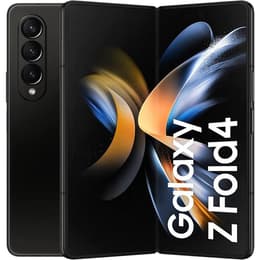
Galaxy Z Fold4
Starting at

Refurbished price:432.00

Versus €1,889.00 new

See options
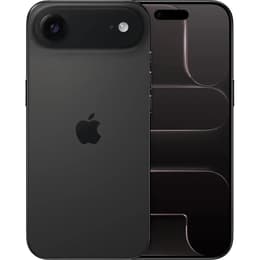
iPhone Air
Starting at

Refurbished price:713.00

Versus €1,339.00 new

See options

Differences at a glance

The Samsung Galaxy Z Fold4 (2022) and the Apple iPhone Air (2025) represent two fundamentally different approaches to mobile device engineering. While the Galaxy Z Fold4 features a folding dual-screen tablet design running on Android, the iPhone Air prioritizes an ultra-slim, lightweight slate profile operating on iOS. These distinct models diverge sharply in form factor, software ecosystem, and hardware layout while targeting users seeking advanced capabilities.

Available Models

Colour

Storage (GB)

Scores

Durability

When evaluating structural longevity and software support, these devices offer contrasting timelines due to their different release years and physical designs.

  • Software update longevity: The iPhone Air benefits from a more recent release date and extended operating system support, whereas the Galaxy Z Fold4 operates on an older software cycle with fewer remaining major updates.
  • Physical durability and design: The iPhone Air utilizes a rigid titanium frame and a slim unibody profile, while the Galaxy Z Fold4 incorporates a complex folding hinge mechanism that requires careful handling over years of daily folding actions.
  • Repair considerations: Standard slate devices like the iPhone Air generally present straightforward repair pathways, whereas foldable internal display panels on the Galaxy Z Fold4 involve specialized maintenance procedures.

Year of Release

2022

2025

Compatible with latest Update

Yes

Yes

OS

Android

iOS

Foldable

Yes

No

Performance

Both devices handle intensive everyday workloads smoothly, though they approach multitasking and battery management through different hardware architectures.

  • System responsiveness: Both models manage demanding applications, rapid app switching, and heavy multitasking smoothly without noticeable stutter, backed by high-capacity memory configurations.
  • Storage capacity: Both smartphones are available in spacious internal storage tiers starting at generous baselines, accommodating large media libraries and offline files without expansion slots.
  • Battery behavior: The iPhone Air features a slim physical profile that results in more moderate battery endurance during heavy use, while the Galaxy Z Fold4 distributes its power demands across dual screens, requiring efficient charging habits for full-day usage.

Screen quality

Display engineering is a primary differentiator, contrasting a transforming multi-screen foldable canvas with a large, ultra-thin single glass panel.

  • Display technology: The Galaxy Z Fold4 features a foldable inner screen that opens into a tablet-sized workspace alongside an external cover screen, while the iPhone Air utilizes a traditional, highly bright single OLED panel with smooth refresh rates.
  • Outdoor visibility: Both models deliver high peak brightness levels to ensure content remains legible under direct sunlight, paired with deep contrast and vivid color reproduction.
  • Viewing experience: Users watching movies or reviewing documents will find the expansive square aspect ratio of the unfolded Galaxy Z Fold4 distinct from the standard cinematic widescreen presentation of the iPhone Air.

Resolution

1812 x 2176

2736x1260

Screen type

Foldable Dynamic AMOLED 2X

Super Retina XDR

Audiovisual

Optics and media consumption hardware vary significantly based on the internal space constraints and structural design of each device.

  • Camera versatility: The Galaxy Z Fold4 provides a versatile multi-lens rear array including a dedicated zoom lens, whereas the iPhone Air streamlines photography through a single high-resolution main lens system.
  • Low-light and video performance: Both smartphones capture detailed images and stable video in varied lighting conditions, utilizing advanced image processing to maintain clarity and color accuracy.
  • Audio output: Media playback differs between the dual-screen device's stereo speaker setup and the slim profile of the iPhone Air, which balances internal acoustics within its tight physical dimensions.

Main camera

50 megapixels

48 megapixels

Front camera

4 megapixels

18 megapixels

Miscellaneous

Physical dimensions and connectivity options dictate how each device integrates into daily travel and accessory ecosystems.

  • Handling and weight: The iPhone Air emphasizes an exceptionally lightweight and thin profile that rests comfortably in pockets, whereas the Galaxy Z Fold4 has a heavier, thicker folded footprint that opens into a larger handheld tablet.
  • Connectivity and ports: Both models support modern fifth-generation cellular networks and fast wireless standards, utilizing reversible USB-C connectivity on the Samsung side alongside Apple's connection standard.
  • Security features: Biometric authentication is handled via a convenient side-mounted fingerprint sensor on the Galaxy Z Fold4, compared to facial recognition technology embedded on the iPhone Air.

Weight

263 g

165 g

Screen size (in)

7.6

6.5

Network

5G

5G

SIM card

Dual Physical SIM + eSIM

eSIM

Carrier compatibility

Unlocked

Unlocked

What the community thinks

User discussions and community feedback highlight distinct preferences for each device based on daily habits and workflow requirements. Owners of the Galaxy Z Fold4 frequently praise its multitasking flexibility and expansive inner screen, which transforms productivity on the go, though some note the heavier weight and visible crease on the folding display. Conversely, users of the iPhone Air highlight its remarkably light handling and slim build, while noting that its streamlined camera setup and battery capacity reflect compromises made for thinness. Choosing between the two depends heavily on your preferred form factor. Users prioritizing multi-window productivity and a tablet-sized workspace will find the Galaxy Z Fold4 well-suited to their routine. On the other hand, users prioritizing a lightweight, highly portable everyday device with a traditional screen layout may prefer the iPhone Air. Exploring quality-assured refurbished options can also provide a sustainable choice when acquiring either of these advanced smartphones.