


Compare models

Galaxy A33 5G Vs Xiaomi Redmi Note 13 4G

  • 1-year minimum warranty
  • Free delivery on all orders
  • Free 30-day returns
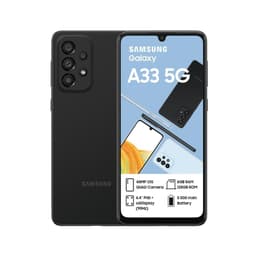
Galaxy A33 5G
Starting at

Refurbished price:€164.00

Versus €389.00 new

See options
Xiaomi Redmi Note 13 4G
Starting at

Refurbished price:€188.00

Versus €299.00 new

See options

Differences at a glance

The Samsung Galaxy A33 5G (2022) and the Xiaomi Redmi Note 13 4G (2024) are mid-range smartphones designed for everyday reliability and essential connectivity. While both devices serve budget-conscious users looking for dependable daily performance, they differ in release timelines, connectivity standards, and hardware configuration. Operating on Android-based software ecosystems, these models provide practical features tailored for standard daily tasks without the complexity of flagship systems.

Available Models

Colour

Storage

Scores

Durability

When evaluating the practical lifespan and support cycles of both devices, release timelines and software update schedules play a central role in long-term usability.

  • Software support timeline: The Samsung Galaxy A33 5G benefits from an extended multi-year update policy that ensures security patches and system upgrades continue for a longer duration relative to its launch year, whereas the Xiaomi Redmi Note 13 4G receives updates aligned with its newer release window.
  • Repairability and durability: Both models feature standard build materials with official water and dust resistance ratings, though the Samsung model includes a slightly higher dust and water protection certification level for everyday accidents.
  • Expected lifespan: Users can expect both smartphones to comfortably handle daily routines for several years, with software longevity largely dependent on release year schedules and regular security maintenance.

Year of Release

2022

2024

Compatible with latest Update

Yes

Yes

OS

Android

Android

Foldable

No

No

Performance

Performance capabilities vary based on internal hardware choices, impacting how smoothly everyday applications, multitasking, and casual gaming run.

  • App loading and multitasking: Both devices handle daily messaging, web browsing, and media streaming smoothly, though heavier applications and intensive mobile games may load slightly faster on the device equipped with optimized internal processing power.
  • Storage and memory configuration: Storage options on both models support everyday file storage and media libraries, with expandable storage slots available via microSD cards on select configurations for additional space.
  • Battery behavior: Battery capacities on both smartphones easily provide a full day of mixed usage under normal conditions, though heavy navigation or video streaming will require a recharge by evening.

Screen quality

Display technology significantly influences the visual experience, affecting outdoor readability, scrolling smoothness, and media consumption clarity.

  • Display panel technology: Both smartphones feature vibrant OLED panels that deliver deep blacks and rich contrast, making text sharp and photos clear during everyday viewing.
  • Refresh rate and fluidity: The Xiaomi Redmi Note 13 4G incorporates a higher refresh rate screen for smoother scrolling through social media feeds, while the Samsung Galaxy A33 5G utilizes a standard refresh rate suited for basic visual tasks.
  • Outdoor visibility: Maximum brightness levels on both displays allow for comfortable readability under direct sunlight, ensuring notifications and maps remain visible outdoors.

Resolution

1080 x 2400

1080 x 2400

Screen type

Super AMOLED

AMOLED

Audiovisual

Imaging and audio hardware determine how well each smartphone captures daily moments and handles media playback for calls and entertainment.

  • Camera system versatility: Both models feature multi-lens rear camera arrays that capture detailed daylight photos, though low-light conditions introduce noticeable grain and reduced clarity on both devices.
  • Video recording: Video stabilization features help reduce handshake during casual walking shots, supporting clear standard-definition and high-definition video clips for personal sharing.
  • Audio output and calls: Integrated speaker systems provide adequate volume for hands-free calls and casual video viewing, while microphone clarity ensures voices transmit clearly during phone conversations.

Main camera

48 megapixels

108 megapixels

Front camera

13 megapixels

16 megapixels

Miscellaneous

Practical daily usability is further shaped by physical dimensions, biometric security sensors, and network connectivity options.

  • Network connectivity: The Samsung Galaxy A33 5G includes fifth-generation mobile data support for faster cellular downloads, whereas the Xiaomi Redmi Note 13 4G focuses strictly on fourth-generation network speeds.
  • Biometric security: Both devices offer secure unlocking mechanisms via in-display fingerprint sensors and facial recognition options for quick access.
  • Physical design and handling: Ergonomic dimensions and moderate weight ensure both smartphones fit comfortably in one hand or pocket during daily travel.

Weight

186 g

175 g

Screen size (in)

6.4

6.67

Network

5G

4G

SIM card

Dual Physical SIM

Dual Physical SIM

Carrier compatibility

Unlocked

Unlocked

What the community thinks

User discussions across public forums often highlight the Samsung Galaxy A33 5G for its robust build quality, water resistance rating, and long-term software update commitment. Common praise for the Xiaomi Redmi Note 13 4G centers around its smooth high-refresh-rate display and modern aesthetic, though some users note that its performance can stutter during intensive multitasking or heavy gaming sessions. Overall consensus suggests that both devices meet expectations for everyday communication and media consumption within their respective release tiers.

Users prioritizing high-refresh-rate visuals and a modern display experience may prefer the Xiaomi Redmi Note 13 4G, while users prioritizing extended software support and advanced network connectivity may lean toward the Samsung Galaxy A33 5G. Choosing a quality-assured refurbished option provides a sustainable choice that reduces electronic waste without compromising on functional reliability. Selecting either device ultimately depends on whether network speed or display fluidity aligns more closely with your daily habits.










