


Compare models

Galaxy A13 Vs Xiaomi Redmi Note 13 4G

  • 1-year minimum warranty
  • Free delivery on all orders
  • Free 30-day returns
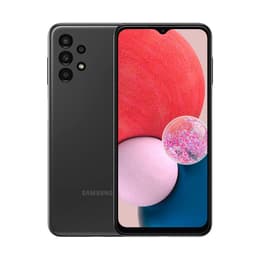
Galaxy A13
Starting at

Refurbished price:€109.00

Versus €249.00 new

See options
Xiaomi Redmi Note 13 4G
Starting at

Refurbished price:€180.00

Versus €299.00 new

See options

Differences at a glance

The Samsung Galaxy A13 (2022) and the Xiaomi Redmi Note 13 4G (2024) are entry-level smartphones designed for everyday mobile tasks. While both devices cater to users seeking reliable daily communication, media consumption, and web browsing on a standard mobile operating system, they represent different generations of engineering. The Samsung Galaxy A13 focuses on straightforward core functionality, whereas the Xiaomi Redmi Note 13 4G introduces newer hardware standards, enhanced display technology, and improved visual capabilities that set it apart from its older competitor.

Available Models

Colour

Storage

Scores

Durability

When evaluating the long-term usability and hardware longevity of these two entry-level devices, several structural differences emerge regarding update timelines and physical maintenance.

  • Software Update Schedule: The Xiaomi Redmi Note 13 4G benefits from a more recent release date, which provides a longer remaining window for official system updates and security patches compared to the older Samsung Galaxy A13.
  • Build and Repairability: Both models utilize durable plastic builds designed to withstand daily handling, though replacement parts and routine servicing for the more recent Xiaomi model are generally more accessible in current repair networks.
  • Expected Practical Lifespan: Users prioritizing long-term software support and extended security currency will find the newer Xiaomi device better equipped to remain current over the coming years.

Year of Release

2022

2024

Compatible with latest Update

No

Yes

OS

Android

Android

Foldable

No

No

Performance

Both smartphones handle standard daily applications like messaging, web browsing, and social media, but they manage system resources and multitasking through different hardware configurations.

  • Multitasking and Responsiveness: The Xiaomi Redmi Note 13 4G handles app switching and lighter gaming sessions with greater fluidity due to its more modern internal architecture and larger random access memory capacity options.
  • Battery Behavior: Both devices are equipped with robust battery capacities capable of lasting through a full day of standard use, though power management optimization leans slightly in favor of the newer Xiaomi hardware.
  • Storage Capacity: The Xiaomi model typically offers higher base storage tiers, providing ample room for apps, photos, and offline media without requiring immediate expansion via external memory cards.

Screen quality

The viewing experience represents one of the most noticeable distinctions between these two devices, particularly regarding panel technology and visual clarity.

  • Display Technology: The Samsung Galaxy A13 features a standard liquid crystal display, whereas the Xiaomi Redmi Note 13 4G incorporates an organic light-emitting diode panel that delivers deeper blacks and more vibrant color contrast.
  • Outdoor Visibility and Brightness: The Xiaomi model achieves higher peak brightness levels, ensuring clearer readability and reduced glare when viewing content under direct sunlight.
  • Visual Smoothness: The Xiaomi device supports a higher refresh rate, resulting in smoother scrolling through web pages and menus compared to the standard refresh rate found on the Samsung display.

Resolution

1080 x 2408

1080 x 2400

Screen type

PLS LCD

AMOLED

Audiovisual

Photography and media capture capabilities vary significantly between these two models, influencing how everyday moments and video content are recorded.

  • Main Camera Performance: The Xiaomi Redmi Note 13 4G includes a higher-resolution main sensor that captures sharper details and better dynamic range in various lighting conditions compared to the older Samsung Galaxy A13.
  • Low-Light Photography: The Xiaomi model utilizes updated image processing software to manage noise and preserve clarity in dim environments more effectively than its competitor.
  • Audio and Speaker Output: Media consumption on the Xiaomi device benefits from louder and more balanced sound output, while both models maintain standard microphone clarity for daily voice calls.

Main camera

50 megapixels

108 megapixels

Front camera

8 megapixels

16 megapixels

Miscellaneous

Practical daily usability is shaped by connectivity standards, physical dimensions, and sensor integration across both smartphone designs.

  • Connectivity and Networks: Both devices operate primarily on fourth-generation mobile networks and standard wireless protocols, though the Xiaomi model features updated Bluetooth standards for more stable accessory pairing.
  • Physical Handling: The two smartphones feature comparable weights and slim profiles, making them comfortable to hold and operate with one hand during extended calls or reading sessions.
  • Authentication Features: Both models offer biometric security through fingerprint sensors and facial recognition, allowing quick and secure device unlocking.

Weight

195 g

175 g

Screen size (in)

6.6

6.67

Network

4G

4G

SIM card

Dual Physical SIM

Dual Physical SIM

Carrier compatibility

Unlocked

Unlocked

What the community thinks

User feedback from online communities highlights distinct preferences for each of these entry-level smartphones. Owners of the Samsung Galaxy A13 frequently praise its straightforward interface, reliable daily battery endurance, and simple approach to basic communication tasks. However, some users note that its screen brightness and processing speeds can feel limited during heavier daily multitasking or outdoor use. On the other hand, users of the Xiaomi Redmi Note 13 4G frequently highlight its vibrant display quality, smooth scrolling experience, and capable main camera as major advantages for media-heavy routines. At the same time, some community discussions point out that the pre-installed user interface on the Xiaomi device includes extra pre-loaded applications that require initial cleanup.

Users prioritizing a bright, smooth display and enhanced photography capabilities for daily media consumption may prefer the Xiaomi Redmi Note 13 4G, while those seeking a simple, no-frills device for basic communication tasks will find the Samsung Galaxy A13 well-suited to their needs. For consumers looking to make a sustainable choice, a quality-assured refurbished option provides an eco-friendly alternative that extends device life cycles. Ultimately, the right choice depends on whether display performance or minimalist daily reliability takes priority in everyday use.









