

Compare models
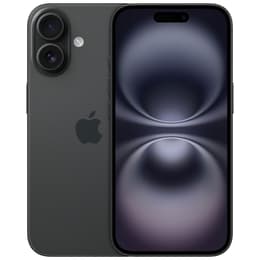
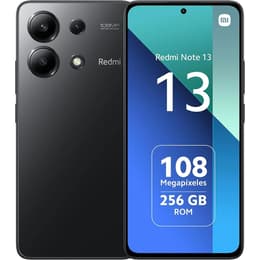
iPhone 16 Vs Xiaomi Redmi Note 13 4G
- 1-year minimum warranty
- Free delivery on all orders
- Free 30-day returns
Differences at a glance
The iPhone 16 (2024) and the Xiaomi Redmi Note 13 4G (2024) represent two distinct approaches to the modern smartphone market, balancing ecosystem preferences and daily practicality. While the iPhone 16 operates on Apple's tightly integrated iOS platform, the Xiaomi Redmi Note 13 4G runs on Android with customized software interfaces. These two devices cater to contrasting user priorities regarding software ecosystems, hardware capabilities, and daily utility.
Available Models
Colour
Storage
Scores
Durability
Both smartphones offer different long-term ownership trajectories shaped by their software update cycles and structural build quality.
- Software support timelines: The iPhone 16 benefits from multi-year major operating system updates and security patches, whereas the Xiaomi Redmi Note 13 4G receives a standard Android security and platform update lifecycle typical of mid-range options.
- Build durability: The iPhone 16 utilizes toughened front glass protection and an aluminum frame rated for deep water resistance, while the Xiaomi model features basic splash resistance and standard glass protection suited for everyday handling.
- Expected lifespan: Users can anticipate extended hardware longevity from the iPhone due to its powerful internal architecture, while the Xiaomi model provides reliable service for standard daily communication tasks over a shorter multi-year window.
Year of Release
2024
2024
Compatible with latest Update
Yes
Yes
Foldable
No
No
Performance
Daily operation and speed profiles vary significantly between these devices depending on the complexity of applications being utilized.
- App loading and multitasking: The iPhone 16 handles demanding 3D games and resource-heavy creative software smoothly with ample memory headroom, whereas the Xiaomi Redmi Note 13 4G manages web browsing, social media, and casual applications efficiently without specialized gaming optimization.
- Battery behavior: The Xiaomi device features a large capacity cell capable of lasting through a full day of standard use with moderate charging speeds, while the iPhone balances its battery consumption efficiently through advanced power management during mixed usage.
- System responsiveness: Navigation across menus and switching between multiple active programs remains fluid on both devices, though the iPhone maintains a performance edge during intensive background processing tasks.
Screen quality
Visual output and panel characteristics provide distinct viewing experiences for media consumption and text readability.
- Display technology: Both models incorporate vibrant OLED panels that deliver deep blacks and rich contrast, though the iPhone utilizes a high-density resolution setup compared to the Xiaomi's standard high-refresh-rate panel.
- Outdoor visibility: The iPhone 16 reaches higher peak brightness levels for clear visibility under direct sunlight, while the Xiaomi Redmi Note 13 4G offers comfortable indoor viewing and adequate outdoor legibility.
- Refresh rate smoothness: The Xiaomi display employs a smooth high refresh rate for scrolling through feeds and interfaces, pairing fluid visual transitions with its bright panel architecture.
Resolution
1179 x 2556
1080 x 2400
Screen type
Super Retina XDR OLED
AMOLED
Audiovisual
Photography and recording setups offer varied configurations tailored to different content capture styles and media requirements.
- Main camera capabilities: The iPhone 16 utilizes a high-resolution primary sensor with advanced computational photography tools for balanced shots in mixed lighting, while the Xiaomi features a high-megapixel main sensor suited for well-lit daylight photography.
- Video recording features: The iPhone supports advanced cinematic video modes, high-dynamic-range recording, and steady stabilization, whereas the Redmi Note 13 4G handles standard definition video capturing for casual sharing.
- Audio and media output: Stereo speaker setups on both devices deliver clear sound for calls and media playback, with the Xiaomi retaining a traditional headphone jack for wired audio accessories.
Main camera
48 megapixels
108 megapixels
Front camera
12 megapixels
16 megapixels
Miscellaneous
Physical dimensions and connectivity standards influence daily handling comfort and peripheral compatibility.
- Port types and connectivity: The iPhone 16 adopts the universal USB-C standard alongside modern wireless protocols, while the Xiaomi model features USB-C, an infrared blaster, and expandable storage via a microSD card slot.
- Physical dimensions: The iPhone offers a compact and lightweight form factor designed for single-handed use, whereas the Xiaomi features a larger footprint housing its expansive display panel.
- Security sensors: The iPhone relies on advanced facial recognition technology for secure authentication, while the Xiaomi utilizes an integrated fingerprint sensor located within or alongside the display.
Weight
170 g
175 g
Screen size (in)
6.1
6.67
Network
5G
4G
SIM card
eSIM
Dual Physical SIM
Carrier compatibility
Unlocked
Unlocked
Connector
USB-C (USB 2)
USB-C
What the community thinks
User feedback from online communities highlights distinct preferences for each device based on everyday requirements. Owners of the iPhone 16 frequently praise its long-term processing strength, premium build materials, and advanced video capabilities, though some note the limited internal storage base configuration. Conversely, users of the Xiaomi Redmi Note 13 4G appreciate its responsive high-refresh-rate display, inclusion of expandable storage, and everyday reliability, while pointing out limitations in low-light photography and intensive gaming performance.
Users prioritizing long-term software longevity, advanced video production tools, and ecosystem integration will find the iPhone 16 well-suited to their needs. Meanwhile, users prioritizing a bright fluid display, expandable storage flexibility, and everyday messaging functionality may lean toward the Xiaomi Redmi Note 13 4G. Exploring a quality-assured refurbished option can also provide an eco-friendly alternative for acquiring these devices while supporting sustainable consumer choices. Ultimately, the choice depends on which feature set aligns closer with your daily routines.