

Compare models
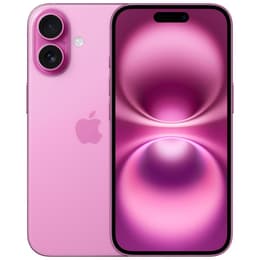
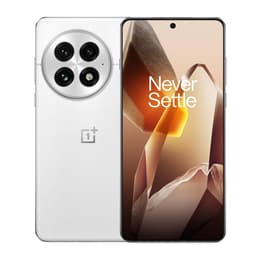
iPhone 16 Vs OnePlus 13
- 1-year minimum warranty
- Free delivery on all orders
- Free 30-day returns
Differences at a glance
The iPhone 16 (2024) and the OnePlus 13 (2025) represent leading options in the current smartphone landscape, each bringing distinct engineering philosophies to everyday mobile communication. While the iPhone 16 relies on Apple's tightly integrated iOS ecosystem and streamlined hardware, the OnePlus 13 offers an Android-based experience emphasizing expansive display real estate and extensive battery endurance. These devices cater to different preferences in software design, physical sizing, and day-to-day usability.
Available Models
Colour
Storage (GB)
Scores
Durability
Both smartphones are built with modern materials designed to endure regular daily handling, though they approach long-term software support and hardware durability through different timelines and construction methods.
- Software longevity: The iPhone 16 benefits from Apple's extended update cycles, ensuring frequent system enhancements over many years, whereas the OnePlus 13 provides several generations of Android platform upgrades and security patches.
- Build protection: The iPhone 16 features robust front glass protection and an aluminum frame rated for deep water resistance, while the OnePlus 13 utilizes advanced ceramic glass shielding paired with high-level dust and water ingress ratings.
- Repair framework: Both manufacturers design their devices to meet strict industry standards for component replacement, helping extend the practical operating lifespan of each unit.
Year of Release
2024
2024
Performance
Performance capabilities on both devices handle intensive everyday demands smoothly, though they utilize distinct hardware configurations and memory management strategies.
- System responsiveness: Both handsets launch demanding applications instantly and switch between multiple background tasks without noticeable stutter or slowdown.
- Battery behavior: The OnePlus 13 incorporates a high-capacity silicon-carbon battery that comfortably powers through extended heavy usage, while the iPhone 16 relies on optimized power efficiency to maintain all-day reliability.
- Storage configurations: Both models provide generous baseline storage tiers alongside higher options for media-heavy users, though neither includes expandable card slots.
Screen quality
Visual output differs notably in physical dimensions and panel technology, offering varied viewing experiences for media consumption and daily navigation.
- Display technology: The iPhone 16 uses a crisp OLED panel with deep contrast levels, while the OnePlus 13 features a larger curved OLED display with high adaptive refresh rates for smooth scrolling.
- Outdoor visibility: Both screens reach high peak brightness thresholds, ensuring legibility under direct sunlight and bright outdoor conditions.
- Viewing immersion: The OnePlus 13 provides a more expansive canvas for movies and reading due to its larger screen diagonal, whereas the iPhone 16 favors a compact form factor that is easier to manage with one hand.
Audiovisual
Photography and video recording suites on both handsets deliver reliable detail and color reproduction across varied lighting environments.
- Main camera versatility: Both models feature high-resolution primary sensors equipped with optical image stabilization to capture sharp everyday photos and clean low-light imagery.
- Secondary lenses: The OnePlus 13 includes a dedicated periscope telephoto lens for optical zoom reach, while the iPhone 16 uses a flexible dual-lens setup with high-resolution main cropping capabilities.
- Video and audio: Both devices record stable high-definition video with clear multi-microphone audio capture, supported by robust stereo loudspeaker outputs for media playback.
Miscellaneous
Practical daily utility is shaped by physical dimensions, biometric security features, and connectivity standards embedded within each chassis.
- Physical handling: The iPhone 16 is lighter and more compact, making it well-suited for pocketability, whereas the OnePlus 13 carries a slightly larger footprint to accommodate its expansive battery and display.
- Biometrics and ports: Both models utilize modern reversible charging ports and secure biometric authentication methods consisting of facial recognition or integrated ultrasonic fingerprint sensors.
- Wireless connectivity: Each device supports rapid fifth-generation cellular data standards alongside current Wi-Fi and Bluetooth protocols for stable accessory pairing.
Screen size (in)
6.1
6.82
Network
5G
5G
SIM card
Physical SIM + eSIM
Dual Physical SIM
Carrier compatibility
Unlocked
Unlocked
Connector
USB-C (USB 2)
USB-C
What the community thinks
User feedback from online communities highlights distinct preferences for each device. Owners of the iPhone 16 frequently praise its reliable software ecosystem, comfortable one-handed ergonomics, and straightforward video capture tools. Conversely, OnePlus 13 users often emphasize the impressive longevity of the high-capacity battery, rapid charging speeds, and the immersive quality of the large curved display. Common criticisms for the iPhone focus on its more conservative screen refresh rate, while some users note that the OnePlus 13's large physical size can feel cumbersome during active handling.
When deciding between these two options, user priorities serve as the primary guide. Users prioritizing a compact form factor, tight software integration, and long-term ecosystem support may prefer the iPhone 16. Meanwhile, users prioritizing expansive screen real estate, rapid power replenishment, and extensive battery endurance will likely lean toward the OnePlus 13. For those exploring sustainable purchasing paths, a quality-assured refurbished option provides an eco-friendly alternative that delivers identical daily functionality while minimizing environmental impact.