

iPhone 16 Vs iPhone 16 Pro

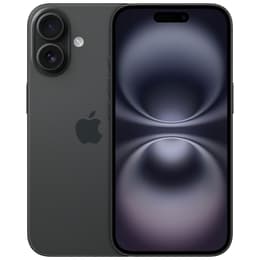
iPhone 16
iPhone 16
Starting at
€569.00
€879.00 new
See options
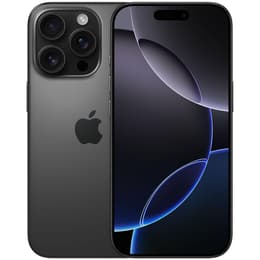
iPhone 16 Pro
iPhone 16 Pro
Starting at
€654.00
€1,239.00 new
See options

Ratings

The iPhone 16 (2024) and iPhone 16 Pro (2024) represent Apple's latest generation of smartphones, both launched in September 2024. While they share the foundational iOS 18 operating system and core Apple Intelligence features, the iPhone 16 Pro distinguishes itself with a more advanced camera system, a higher-end display, and a more robust design.

Scores

Durability

Both the iPhone 16 and iPhone 16 Pro offer a strong expectation of software longevity and improved physical durability.

  • Software Support: Both devices launched with iOS 18 in September 2024 and are currently running iOS 26.1, indicating a long support lifecycle, typically extending 5-6 years from release.
  • Repairability Enhancements: Both models received a repairability score of 7 out of 10 from iFixit, a significant improvement over previous generations. This is attributed to a dual-entry design, making component access easier, and iOS 18's 'Repair Assistant' feature.
  • Build Materials and Durability: The iPhone 16 features an aluminum design with a Ceramic Shield front and color-infused glass back, while the iPhone 16 Pro utilizes a titanium frame, also with a Ceramic Shield front. Both are rated IP68 for water and dust resistance, allowing submersion up to 6 meters for 30 minutes.

Year of Release

2024

2024

Compatible with latest Update

Yes

Yes

Foldable

No

No

Performance

Performance differences between the iPhone 16 and iPhone 16 Pro are primarily driven by their respective chipsets and RAM configurations.

  • Processing Power: The iPhone 16 is powered by the A18 chip, which offers solid performance for daily tasks and a Neural Engine optimized for generative artificial intelligence. The iPhone 16 Pro features the more powerful A18 Pro chip, boasting faster CPU and GPU performance and an upgraded 16-core Neural Engine, resulting in a 15% faster CPU than its predecessor while consuming 20% less power for the same output.
  • Multitasking and Storage: Both models come with 8GB of RAM, enabling smooth multitasking across applications. The iPhone 16 offers storage options up to 512GB, while the iPhone 16 Pro extends this to 1TB, catering to users with higher storage needs.
  • Battery Life in Use: The iPhone 16 provides up to 22 hours of offline video playback. The iPhone 16 Pro offers extended endurance, reaching up to 27 hours of offline video playback, partly due to a larger battery capacity and the A18 Pro chip's efficiency. Users of the iPhone 16 Pro have reported excellent battery performance in real-world usage.

Memory

8 GB

8 GB

Screen quality

Both iPhone models deliver vibrant visuals, but the Pro model incorporates advanced display technology for a smoother and brighter viewing experience.

  • Display Technology and Size: Both devices feature Super Retina XDR OLED displays, known for deep blacks and vibrant colors. The iPhone 16 has a 6.1-inch display with a 2556 x 1179 pixel resolution, while the iPhone 16 Pro offers a slightly larger 6.3-inch display with a 2622 x 1206 pixel resolution, both maintaining a sharp 460 ppi density.
  • Refresh Rate and Smoothness: A key difference lies in the refresh rate. The iPhone 16 retains a standard 60Hz refresh rate. The iPhone 16 Pro incorporates ProMotion technology, providing an adaptive refresh rate of up to 120Hz, resulting in noticeably smoother scrolling and more fluid animations.
  • Brightness Levels: Both phones offer excellent brightness for clear visibility. The iPhone 16 reaches up to 1000 nits typical brightness and 2000 nits peak outdoor brightness. The iPhone 16 Pro matches this typical brightness but achieves a higher 1600 nits peak brightness for HDR content and up to 2000 nits for outdoor use, enhancing content viewing in varying light conditions. The iPhone 16 Pro also features an Always-On display.

Resolution

1179 x 2556

1206 x 2622

Screen type

Super Retina XDR OLED

LTPO Super Retina XDR OLED

Audiovisual

The camera systems of the iPhone 16 and iPhone 16 Pro offer strong photography and videography capabilities, with the Pro model providing a more versatile and advanced setup.

  • Main and Ultra-Wide Cameras: Both models feature a powerful 48MP main camera for detailed everyday photography. The iPhone 16 includes a 12MP Ultra Wide camera. In contrast, the iPhone 16 Pro upgrades its Ultra Wide camera to 48MP, improving low-light performance and enabling detailed macro photography. The iPhone 16 features vertically aligned cameras, enabling spatial video capture.
  • Telephoto and Zoom Capabilities: A significant differentiator is the telephoto lens. The iPhone 16 relies on digital zoom beyond 2x. The iPhone 16 Pro includes a dedicated 12MP 5x telephoto lens, offering 5x optical zoom and enhanced detail at greater distances, a feature previously exclusive to larger Pro Max models.
  • Video Features and Audio: Both devices record high-quality video, with the iPhone 16 supporting 4K Dolby Vision video recording. The iPhone 16 Pro enhances video recording with ProRes capabilities, log recording, and the ability to record directly to external storage. It also uniquely supports 4K at 120 FPS slow motion, providing greater flexibility for content creators. The Pro models also incorporate studio-quality microphones for improved audio capture.

Main camera

48 megapixels

48 megapixels

Front camera

12 megapixels

12 megapixels

Miscellaneous

Beyond core performance, both iPhones offer essential features, with the Pro model often including more advanced connectivity and a distinct physical presence.

  • Connectivity Standards: Both the iPhone 16 and iPhone 16 Pro support modern connectivity options, including Wi-Fi 7, Bluetooth 5.3, and 5G cellular capabilities. They also feature a second-generation Ultra Wideband chip for enhanced spatial awareness.
  • Charging and Ports: Both phones use a USB-C port for charging and data transfer. The iPhone 16's USB-C port operates at USB 2.0 speeds. The iPhone 16 Pro's USB-C port typically offers faster data transfer speeds, crucial for professionals utilizing features like external video recording. Both support MagSafe and Qi2 wireless charging.
  • Design and Handling: The iPhone 16 is constructed with aluminum and a glass back, weighing 170g. The iPhone 16 Pro uses a lighter yet durable titanium frame, weighing 199g. The iPhone 16 Pro also features thinner display bezels, offering a slightly larger screen within a comparable body size. Both models feature a customizable Action button and a new Camera Control button.

Weight

170 g

199 g

Screen size (in)

6.1

6.3

Network

5G

5G

SIM card

eSIM

eSIM

Carrier compatibility

Unlocked

Unlocked

Connector

USB-C (USB 2)

USB-C (USB 3)

User feedback highlights distinct strengths for both the iPhone 16 and iPhone 16 Pro. The iPhone 16 is frequently praised as a solid upgrade for users coming from older iPhone models, offering a pleasant experience with its new Dynamic Island and improved battery life, while some note the Camera Control button's limited utility in certain scenarios.

The iPhone 16 Pro consistently receives acclaim for its premium build quality, exceptional camera capabilities, and significantly extended battery life. Users appreciate the refined display with thinner bezels and smooth 120Hz ProMotion technology. However, some early feedback on Apple Intelligence noted it felt underdeveloped, with Siri often relying on external AI. Isolated reports of thermal issues have also been mentioned in long-term reviews.

For users prioritizing a dependable and updated iPhone experience for everyday tasks, communication, and casual photography, the iPhone 16 is a capable choice. It provides access to Apple's ecosystem and new software features, making it a great option for students, or those who value a balanced smartphone without needing the most advanced specifications.

The iPhone 16 Pro is better suited for professionals, content creators, or enthusiasts who demand top-tier camera versatility, superior display fluidity, and the absolute best processing power for demanding applications. Its longer battery life and advanced photography and videography features make it ideal for travelers or individuals who rely on their phone for intensive tasks.

When considering either model, exploring quality-assured refurbished options can provide an eco-friendly alternative, allowing consumers to make an informed, sustainable choice without compromising on performance or reliability.