

Compare models
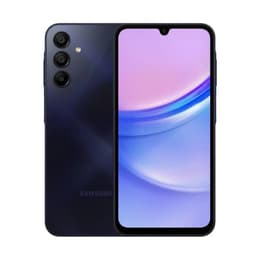
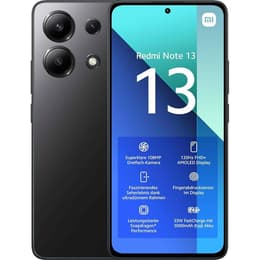
Galaxy A15 5G Vs Xiaomi Redmi Note 13 4G
- 1-year minimum warranty
- Free delivery on all orders
- Free 30-day returns
Differences at a glance
The Samsung Galaxy A15 5G (2023) and the Xiaomi Redmi Note 13 4G (2024) are popular entry-level smartphones designed to deliver essential everyday mobile features. While both devices serve users seeking dependable functionality, they diverge primarily in their network connectivity and display characteristics. The Samsung model introduces next-generation network support, whereas the Xiaomi device focuses on alternative multimedia enhancements while operating strictly on standard cellular networks.
Available Models
Colour
Storage (GB)
Scores
Durability
Both smartphones offer reliable structural durability and software update paths typical of the entry-level segment, though their long-term support timelines differ based on manufacturer policies.
- Software longevity: The Samsung device benefits from extended manufacturer system and security patch commitments, providing predictable longevity for users seeking multi-year reliability.
- Build materials: Both models utilize rigid plastic frames and backs designed to withstand routine daily handling, with standard ingress protection ratings against dust and minor liquid splashes.
- Expected lifespan: Daily usage patterns indicate both units maintain stable battery health and operational integrity over several years, supported by straightforward repair architectures.
Year of Release
2023
2024
Compatible with latest Update
Yes
Yes
OS
Android
Android
Foldable
No
No
Performance
Under everyday conditions, both devices handle standard messaging, web browsing, and media streaming smoothly, though their underlying processing architectures cater to different multitasking demands.
- App responsiveness: Everyday applications open promptly and transition fluidly, though heavy 3D gaming or intensive resource tasks may occasionally introduce minor frame drops on both configurations.
- Memory and multitasking: Available storage and memory variants allow users to keep multiple social and productivity apps active simultaneously without immediate reloading.
- Power efficiency: Both handsets manage background processes efficiently, ensuring that standard daily tasks do not cause excessive thermal warming or sudden battery drain.
Screen quality
Visual output is a central focus for both manufacturers, utilizing vibrant panel technologies that ensure crisp text rendering and engaging media playback.
- Display technology: Both models feature bright OLED-based panels that deliver deep contrast levels and saturated color reproduction for indoor viewing.
- Refresh rate smoothness: The Xiaomi device incorporates a higher refresh rate for scrolling fluidity, whereas the Samsung alternative utilizes a slightly lower refresh rate standard for everyday navigation.
- Outdoor legibility: Peak brightness outputs allow both screens to remain legible under direct sunlight, though users working outdoors frequently may need to adjust manual settings for optimal clarity.
Resolution
1080 x 2340
1080 x 2400
Screen type
Super AMOLED
AMOLED
Audiovisual
Imaging hardware on both devices is tailored for casual photography, featuring multi-lens arrays that handle daylight snapshots and social media sharing effectively.
- Primary photography: Main sensors capture sharp images with balanced colors in daylight conditions, while low-light performance relies heavily on software processing to reduce visual noise.
- Secondary lenses: Ultra-wide and macro options provide compositional versatility for landscape and close-up framing, though fine detail decreases noticeably in dim lighting.
- Video and audio: Video recording supports stable high-definition capture, complemented by mono loudspeaker output that suffices for casual clip viewing and hands-free calling.
Main camera
50 megapixels
108 megapixels
Front camera
13 megapixels
16 megapixels
Miscellaneous
Practical physical features and connectivity options shape how these devices integrate into daily routines, offering standard utility for mobile users.
- Connectivity and ports: The Samsung model supports modern high-speed cellular networks, whereas the Xiaomi variant remains limited to standard mobile data alongside reliable Wi-Fi and Bluetooth standards.
- Physical handling: Form factors are slim and balanced, incorporating traditional wired headphone jacks alongside secure side-mounted biometric sensors for rapid unlocking.
- Ecosystem choice: Opting for a quality-assured refurbished option from Back Market provides a sustainable, eco-friendly alternative for acquiring either model while reducing electronic waste.
Weight
200 g
175 g
Screen size (in)
6.5
6.67
Network
5G
4G
SIM card
Dual Physical SIM
Dual Physical SIM
Carrier compatibility
Unlocked
Unlocked
What the community thinks
User community discussions highlight that buyers appreciate the reliable battery longevity and crisp display panels found on both devices, though some users note occasional interface stutter during heavy multitasking or intensive background updates. Choosing between the two models depends largely on specific connectivity and feature preferences. Users prioritizing modern mobile data speeds and extended software support timelines may prefer the Samsung Galaxy A15 5G, while individuals valuing a smoother display refresh rate and alternative media perks might lean toward the Xiaomi Redmi Note 13 4G. Weighing these distinct hardware priorities helps ensure an informed decision tailored to your daily mobile requirements.