

Galaxy A16 Vs Xiaomi 12T

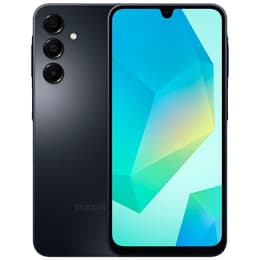
Galaxy A16
Galaxy A16
Starting at

Refurbished price:134.00

Versus €250.00 new

See options
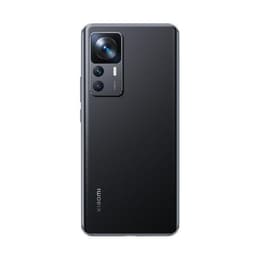
Xiaomi 12T
Xiaomi 12T
Starting at

Refurbished price:138.00

Versus €649.00 new

See options

Ratings

The Samsung Galaxy A16, released in late 2024, and the Xiaomi 12T, launched in late 2022, are both Android smartphones designed for everyday use. While the Galaxy A16 offers extended software support and a more recent release, the Xiaomi 12T distinguishes itself with a more powerful processor and significantly faster charging capabilities. Both devices run on the Android operating system, with their respective custom user interfaces.

Scores

Durability

When considering the long-term usability of these devices, their release timelines and software support policies are key factors.

  • Release Timeline: The Samsung Galaxy A16 was released in October 2024, making it a more recent device. The Xiaomi 12T, on the other hand, was launched in October 2022. This difference in release dates impacts their expected software longevity.
  • Software Longevity: The Galaxy A16 is notable for its extended software commitment, promising six years of Android operating system updates and security patches, with support expected to continue until October 2030. The Xiaomi 12T typically receives around three years of major Android updates. As of March 2026, the Galaxy A16 is running Android 15 with One UI 7.0, while the Xiaomi 12T is on Android 15 with Xiaomi HyperOS 2. This means the Galaxy A16 offers a considerably longer period of official software support.
  • Repairability: The Samsung Galaxy A16 5G generally has an average repairability score, with features like an easily accessible battery with pull tabs, though adhesive is used for the back cover and battery. The Xiaomi 12T also involves heating the back cover to loosen adhesive for disassembly, but its battery is also designed with pull tabs for easier removal. Both devices allow for common repairs like screen and battery replacement within a reasonable timeframe.

Year of Release

2024

2022

OS

Android

Android

Foldable

No

No

Performance

The performance of a smartphone is crucial for daily tasks, from app usage to multitasking and gaming.

  • Processor Capabilities: The Xiaomi 12T is equipped with a processor that delivers a strong performance, capable of handling demanding applications and graphics-intensive games smoothly, even on higher settings. Users report a responsive and fluid experience. In contrast, the Samsung Galaxy A16's processor is well-suited for basic activities, social media, and streaming. While it performs adequately for everyday use, some users have noted occasional stuttering or sluggishness, particularly with the base RAM configuration, and it may not be ideal for power users or heavy gaming.
  • RAM and Storage: The Xiaomi 12T typically comes with 8GB of RAM, providing ample capacity for efficient multitasking and keeping multiple applications open without significant slowdowns. It offers storage options of 128GB and 256GB, utilizing UFS 3.1 for faster data access. The Galaxy A16 is available with 4GB, 6GB, or 8GB of RAM, and 128GB or 256GB of storage (UFS 2.2). The 4GB RAM variant of the A16 might experience limitations with extensive multitasking as apps become more resource-intensive over time. The Galaxy A16 also supports expandable storage via a microSDXC card, up to 1.5TB.
  • Battery Behavior: Both devices feature a 5000mAh battery capacity, designed to provide a full day of use for most users. The Galaxy A16 is frequently praised for its long battery life, even under heavy usage. The Xiaomi 12T also offers excellent battery endurance, with some users reporting up to 10 hours of screen-on time. A significant difference lies in charging speed: the Xiaomi 12T supports very rapid 120W fast charging, allowing for a quick recharge, whereas the Galaxy A16 supports 25W fast charging.

Memory (GB)

4 GB

8 GB

Screen quality

The display is a primary interface for smartphone interaction, and both models offer distinct viewing experiences.

  • Display Technology and Clarity: Both the Samsung Galaxy A16 and the Xiaomi 12T feature AMOLED displays, known for their deep blacks and vibrant colors. The Galaxy A16 has a 6.7-inch Super AMOLED display with a Full HD+ resolution (1080x2340 pixels). The Xiaomi 12T offers a 6.67-inch AMOLED display with a slightly higher resolution of 1220x2712 pixels, resulting in a sharper image with 446 pixels per inch.
  • Brightness and Refresh Rate: The Galaxy A16's display has a 90Hz refresh rate, providing smooth scrolling and animations, and reaches a peak brightness of 800 nits. The Xiaomi 12T features a 120Hz refresh rate, offering an even more fluid visual experience, and can achieve a peak brightness of 900 nits, making it slightly brighter for outdoor visibility. Both displays are generally considered bright and clear for typical viewing conditions.
  • Screen Size and Design: The Galaxy A16 has a 6.7-inch display with a waterdrop notch for the front camera and noticeable bezels. The Xiaomi 12T has a slightly smaller 6.67-inch display with a punch-hole camera cutout, offering a more expansive screen-to-body ratio. Both phones provide a large viewing area suitable for media consumption.

Resolution

1080x2340

1220 x 2712

Screen type

Super AMOLED

AMOLED

Audiovisual

For many users, camera capabilities are a significant consideration, influencing how they capture and share moments.

  • Rear Camera System: The Xiaomi 12T features a triple rear camera setup, highlighted by a 108MP main sensor with optical image stabilization (OIS), an 8MP ultrawide lens, and a 2MP macro lens. The main camera is praised for producing vibrant, detailed photos with good dynamic range. The Samsung Galaxy A16 also has a triple camera system, including a 50MP main camera, a 5MP ultrawide, and a 2MP macro lens. The A16's main camera delivers good photos with decent color representation, though some users have noted it can be soft in darker areas.
  • Low-Light and Video Performance: The Xiaomi 12T's main camera performs well in various lighting conditions, though its ultrawide and macro lenses are considered less impressive. It supports 4K video recording. The Galaxy A16's video quality is generally fine, but its software stabilization can be poor on the 4G variant, with the 5G version offering better stabilization. Some reviews suggest a slight decline in photo quality for the A16 compared to its predecessor, particularly concerning white balance and colors.
  • Front Camera and Audio: The Xiaomi 12T is equipped with a 20MP front camera, while the Galaxy A16 features a 13MP front camera. For audio, the Xiaomi 12T includes dual speakers with Dolby Atmos support, providing a more immersive sound experience for media. The Galaxy A16 has a mono speaker setup, which offers good loudness and decent quality.

Miscellaneous

Beyond core specifications, several practical features contribute to the overall user experience and device handling.

  • Connectivity and Ports: Both devices support 5G connectivity, along with modern Wi-Fi standards and Bluetooth. The Xiaomi 12T includes NFC and infrared capabilities. Neither phone features a 3.5mm headphone jack. The Galaxy A16 does not include a charging brick in the box, only a cable.
  • Sensors and Security: The Xiaomi 12T features an under-display fingerprint scanner for biometric security. The Samsung Galaxy A16 integrates its fingerprint scanner into the power button, located on the side of the device. Both offer face recognition as an alternative unlock method.
  • Build Materials and Durability: The Xiaomi 12T features a Gorilla Glass 5 front and a glass back, with a plastic frame. It has an IP53 rating for dust and splash resistance. The Samsung Galaxy A16 has a glass front, a plastic back, and a plastic frame. It carries an IP54 rating, offering slightly better dust and splash protection.
  • Weight and Dimensions: The Xiaomi 12T measures 163.1 x 75.9 x 8.6 mm and weighs 202g. The Samsung Galaxy A16 is slightly larger and thinner at 164.4 x 77.9 x 7.9 mm and weighs 200g. These dimensions suggest both phones offer a substantial feel in hand.

Weight

200 g

220 g

Screen size (in)

6.7

6.67

Network

4G

5G

SIM card

Physical SIM

Dual Physical SIM

Carrier compatibility

Unlocked

Unlocked

Connector

USB-C

USB-C

User feedback for the Samsung Galaxy A16 often highlights its excellent battery life, vibrant display, and the significant commitment to long-term software updates as key strengths. Many appreciate its solid build and good everyday performance for its intended use. Criticisms frequently point to its processor, which some users find can be sluggish or stuttery, especially during more demanding tasks or with the lower RAM configurations. The absence of a headphone jack and the quality of the macro camera are also sometimes mentioned.

The Xiaomi 12T receives praise for its powerful processor, which handles gaming and heavy applications with ease, and its exceptionally fast 120W charging capability. Users also commend its bright and fluid AMOLED display and capable main camera. Common criticisms include the less impressive performance of its ultrawide and macro cameras, and some users have reported occasional software quirks with MIUI. The plastic frame, despite the glass back, is also sometimes noted.

Users prioritizing long-term software support and a reliable device for essential daily functions, with an emphasis on battery endurance, may find the Samsung Galaxy A16 well-suited to their needs. Its extended update policy makes it a practical choice for those who prefer to keep their devices for several years. Conversely, individuals who value raw performance for gaming and demanding applications, along with very rapid charging, might lean towards the Xiaomi 12T. Its higher refresh rate display also caters to users seeking a smoother visual experience. Both devices offer a quality-assured refurbished option, providing an eco-friendly alternative for consumers.


See all articles

Our recent comparisons