

Compare models

iPad Air 6 (2024, M2 series) Vs iPad Pro (2021, M1 series)

  • 1-year minimum warranty
  • Free delivery on all orders
  • Free 30-day returns
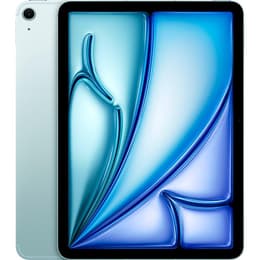
iPad Air 6 (2024, M2 series)
Starting at

Refurbished price:€539.00

Versus €899.00 new

See options
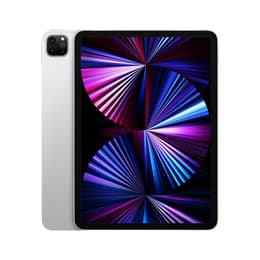
iPad Pro (2021, M1 series)
Starting at

Refurbished price:€543.99

Versus €909.00 new

See options

Differences at a glance

The iPad Air 6 (2024, powered by the M2 processor series) and the iPad Pro (2021, powered by the M1 processor series) represent two distinct tiers of Apple's tablet ecosystem, bridging different release years and architectural generations. While both devices deliver high-end processing capabilities through their custom silicon chips, they cater to distinct user requirements through contrasting display technologies, physical dimensions, and peripheral support. Both tablets operate on Apple's iPadOS, ensuring a consistent software interface, though their underlying hardware capabilities influence long-term feature support and multitasking potential. This comparison outlines the practical differences between these two models to help users determine which device best aligns with their daily workflow, media consumption, and portability needs.

Available Models

Colour

Storage

Scores

Durability

When evaluating the longevity, software support, and build durability of the iPad Air 6 (2024) and the iPad Pro (2021), both devices offer extended lifespans, though their release timelines place them at different stages of their support cycles.

  • Software support timeline: The iPad Air 6 benefits from a newer release year, securing an additional three years of major operating system updates and security patches compared to the 2021 iPad Pro model.
  • Hardware repairability and build: Both tablets feature sturdy aluminum chassis designs that withstand daily travel, though neither model scores high on consumer repairability due to glued internal components and sealed battery assemblies.
  • Expected practical lifespan: Users can expect several years of reliable daily performance from both devices, making a quality-assured refurbished option from Back Market a sustainable choice for extending device lifecycles without compromising on processing reliability.

Year of Release

2024

2021

Compatible with latest Update

Yes

Yes

OS

iPadOS

iPadOS

Maximum Operating System supported

iPadOS 18

iPadOS 18

Performance

Under everyday workloads, both the iPad Air 6 and the iPad Pro handle demanding apps, multi-window multitasking, and resource-intensive creative software smoothly, though they utilize different generations of Apple's custom processor architecture.

  • System responsiveness and multitasking: Both models manage split-screen applications, heavy web browsing, and document editing effortlessly, with the newer processor in the iPad Air 6 providing a slight edge in raw computational efficiency and thermal management during extended heavy tasks.
  • Storage configurations: The iPad Air 6 and iPad Pro offer varied internal storage tiers ranging from base capacities suitable for document storage to high-end tiers designed for large video libraries and professional creative projects.
  • Battery behavior: Both tablets deliver consistent battery performance that typically lasts through a standard workday of mixed web browsing, video playback, and typing, though heavy rendering or sustained gaming will deplete both batteries more quickly.

Processor

Apple M2

Apple M1

Screen quality

The viewing experience represents one of the most notable technical distinctions between the iPad Air 6 and the iPad Pro, particularly regarding panel technology, brightness output, and motion smoothness.

  • Display technology and contrast: The 2021 iPad Pro features an advanced liquid crystal panel with local dimming zones on its larger size or standard liquid crystal on its smaller size, offering deep contrast levels, whereas the iPad Air 6 utilizes a standard liquid crystal display with balanced color accuracy for everyday viewing.
  • Refresh rate and visual smoothness: The iPad Pro includes a high refresh rate technology that ensures fluid scrolling and responsive stylus input, while the iPad Air 6 relies on a standard refresh rate for interface animations.
  • Brightness and outdoor visibility: The iPad Pro provides a higher peak brightness output that improves legibility under direct sunlight or bright ambient lighting conditions compared to the standard brightness levels of the iPad Air 6.

Resolution

2360 x 1640

2388 x 1668

True Tone

Yes

Yes

Pro-Motion

No

Yes

Screen type

Liquid Retina display

Liquid Retina display

Pixel density

264ppp

264ppp

Brightness

500 nits brightness

600 nits brightness max

Sound quality

Speakers

Stereo speakers (landscape)

Four speaker audio

Audiovisual

While tablets are rarely primary photography tools, both the iPad Air 6 and the iPad Pro incorporate competent camera systems, multi-microphone arrays, and stereo speaker configurations designed for media consumption and communication.

  • Camera capabilities: The iPad Pro features a more versatile multi-lens rear camera array including an ultra-wide sensor and a depth-sensing scanner for spatial applications, while the iPad Air 6 focuses on a single, reliable rear camera suited for document scanning and casual snapshots.
  • Video calls and audio output: Both devices include landscape-oriented front-facing cameras equipped with automatic centering features for video conferencing, paired with robust quad-speaker systems that deliver clear audio for movies, music, and calls.
  • Microphone performance: Integrated studio-quality microphones on both models isolate voices effectively during virtual meetings, voice recordings, and video calls without capturing excessive background noise.

Miscellaneous

Practical usability extends beyond internal processing power, encompassing physical dimensions, accessory compatibility, connectivity standards, and biometric authentication methods.

  • Biometric security: The iPad Air 6 integrates a fingerprint sensor directly into its top power button for quick unlocking, whereas the iPad Pro utilizes a facial recognition sensor system embedded within the screen bezel for hands-free authentication.
  • Port connectivity and accessories: Both tablets feature a versatile USB-C port for charging and data transfer, and both support modern wireless keyboards and digital styluses, though compatibility with specific generations of keyboards varies due to subtle changes in physical dimensions.
  • Portability and handling: The iPad Air 6 offers a lightweight, thin profile that favors travelers and students carrying devices all day, while the iPad Pro maintains a comparable weight distribution despite its heavier internal hardware and advanced display components.

Weight

462 g

466 g

Width

17.8 cm

17.85 cm

Height

24 cm

24.76 cm

Depth

0.61 cm

0.59 cm

Screen size (in)

11

11

Network

Wi-Fi + 5G

Wi-Fi

Carrier compatibility

Unlocked

Without SIM Port

Wi-Fi technology

Wi-Fi 6E 802.11ax

Wi-Fi 6 802.11ax

Bluetooth Version

Bluetooth 5.3

Bluetooth 5.0

Face ID

No

Yes

Touch ID

Yes

No

Connector

USB Type-C

USB Type-C

What the community thinks

Choosing between the iPad Air 6 (2024) and the iPad Pro (2021) depends largely on which hardware features align most closely with your daily computing habits and media consumption preferences. Users who prioritize a fluid visual experience, higher peak display brightness, advanced camera versatility, and facial recognition authentication will find the iPad Pro well-suited to their needs. Conversely, users who value a longer software support window, a streamlined fingerprint sensor, and modern processing efficiency for everyday productivity will lean toward the iPad Air 6. Both tablets deliver reliable performance for typing, streaming, and creative work, making them strong candidates for anyone seeking a dependable computing companion.

When acquiring either device, opting for a quality-assured refurbished model provides a sustainable choice that reduces electronic waste while offering full functional reliability. Reviewing your specific priorities regarding screen fluidity and software longevity will help clarify which model fits your workflow best without leaning toward any single performance extreme.


Our recent comparisons