
Compare models
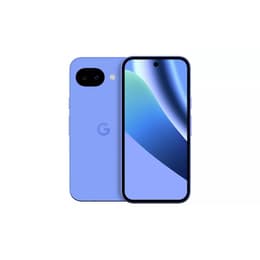
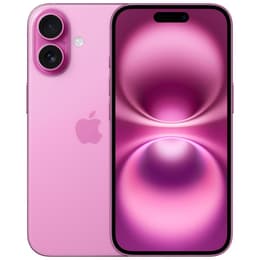
Google Pixel 10a Vs iPhone 16
- 1-year minimum warranty
- Free delivery on all orders
- Free 30-day returns
Differences at a glance
The Google Pixel 10a (2026) and the Apple iPhone 16 (2024) represent two distinct approaches to modern smartphone design, operating systems, and ecosystem integration. While the Pixel 10a runs on Android and emphasizes seamless AI assistance and everyday practicality, the iPhone 16 operates on iOS, focusing on streamlined hardware integration and fluid navigation. Both devices cater to users seeking reliable daily performance, but they differ significantly in their software environments, physical styling, and interface philosophies.
Available Models
Colour
Storage (GB)
Scores
Durability
When evaluating longevity and everyday durability, both smartphones are built to handle years of continuous use while receiving regular system updates from their respective manufacturers.
- Software Support: The Google Pixel 10a benefits from extended Android update commitments spanning multiple years, whereas the iPhone 16 follows Apple's long-standing tradition of multi-year iOS support schedules.
- Build Integrity: Both models feature durable exterior construction with high-strength glass and robust frame materials designed to withstand accidental drops and everyday wear.
- Repairability: Both manufacturers provide structured repair pathways and component availability, helping extend the operational lifespan of a quality-assured refurbished option chosen as an eco-friendly alternative.
Year of Release
2026
2024
Compatible with latest Update
Yes
Yes
Foldable
No
No
Performance
Under everyday workloads, both devices deliver responsive multitasking, quick app loading times, and smooth handling of demanding mobile applications without noticeable stuttering.
- System Responsiveness: Each model utilizes an optimized processor and sufficient memory configuration to switch between resource-heavy applications and background tasks effortlessly.
- Battery Behavior: The Pixel 10a integrates a high-capacity battery designed to easily clear a full day of mixed usage, while the iPhone 16 maximizes power efficiency through tightly integrated hardware and software management.
- Storage Options: Both handsets offer reliable internal storage tiers starting at generous capacities, accommodating large photo libraries, downloaded media, and offline documents.
Screen quality
Visual output on both handsets is sharp, bright, and well-suited for media consumption, gaming, and reading under various lighting conditions.
- Display Technology: Both devices utilize advanced OLED panel technology that produces deep black levels, high contrast ratios, and vivid color reproduction.
- Outdoor Visibility: High peak brightness capabilities ensure that text and images remain easily legible when viewed under direct sunlight.
- Refresh Rate: Smooth screen refresh capabilities provide fluid scrolling through web pages and responsive visual feedback during touch interactions.
Resolution
1080x2424
1179 x 2556
Audiovisual
Photography and video recording suites on both smartphones are engineered to capture detailed memories in diverse environments without requiring manual adjustments.
- Main Camera Performance: Both the Pixel 10a and iPhone 16 capture sharp, natural-looking photos in standard daylight and low-light settings, utilizing advanced computational photography to balance highlights and shadows.
- Video Recording: Users can record stable, high-resolution video footage equipped with effective motion stabilization for clear capture during movement.
- Audio and Media Output: Stereo speaker setups on both devices deliver clear sound quality for hands-free calls, podcasts, and casual video viewing.
Front camera
13MP
12 megapixels
Miscellaneous
Practical daily usability is shaped by connectivity standards, physical dimensions, and biometric authentication methods tailored to modern user habits.
- Connectivity & Ports: Both models support rapid wireless networking standards alongside USB Type-C connectivity for data transfer and charging convenience.
- Biometric Security: The Pixel 10a features an optical in-screen fingerprint sensor, while the iPhone 16 relies on facial recognition technology for secure unlocking and authorization.
- Physical Handling: Ergonomic dimensions and balanced weight distribution ensure comfortable one-handed operation and effortless pocket storage.
Weight
183 g
170 g
Screen size (in)
6.3
6.1
Network
5G
5G
SIM card
Physical SIM + eSIM
Physical SIM + eSIM
Carrier compatibility
Unlocked
Unlocked
Connector
USB-C
USB-C (USB 2)
What the community thinks
User discussions and community feedback indicate that buyers appreciate the Google Pixel 10a for its clean Android interface, reliable battery capacity, and intuitive AI-driven tools. On the other hand, owners of the iPhone 16 frequently praise its refined build quality, ecosystem synergy, and smooth video capabilities. Some users note that the Pixel 10a's larger physical footprint can feel slightly bulkier, while others mention that the iPhone 16's closed ecosystem offers fewer customization options for advanced Android users.
Users prioritizing deep customization, flexible file management, and integrated Google services may prefer the Pixel 10a, while users embedded in the Apple ecosystem who value streamlined device synchronization will lean toward the iPhone 16. Choosing between these two models ultimately depends on individual software preferences and daily workflow habits. Selecting a quality-assured refurbished option provides a sustainable choice that combines modern smartphone capabilities with eco-friendly purchasing practices.