

Compare models

Galaxy Z Flip7 Vs iPhone 16e

  • 1-year minimum warranty
  • Free delivery on all orders
  • Free 30-day returns
Galaxy Z Flip7
Starting at

Refurbished price:€529.00

Versus €1,328.48 new

See options
iPhone 16e
Starting at

Refurbished price:€454.00

Versus €719.00 new

See options

Differences at a glance

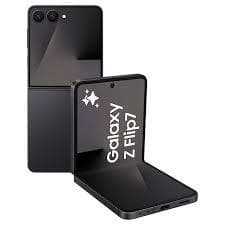
The Samsung Galaxy Z Flip7 (2025) and the Apple iPhone 16e (2025) represent two distinct smartphone philosophies, combining a folding clamshell display with a traditional slate design. While the Galaxy Z Flip7 offers a flexible dual-screen format and extensive multitasking layouts, the iPhone 16e focuses on streamlined single-screen simplicity within the iOS ecosystem. These devices cater to different structural preferences while delivering modern day-to-day capabilities for varied user lifestyles.

Available Models

Colour

Storage

Scores

Durability

Both devices feature contemporary hardware standards designed to accommodate several years of routine daily use, though their physical forms introduce different maintenance considerations.

  • Software Support: Both manufacturers provide long-term operating system updates and security patches, helping maintain software relevance over multiple years.
  • Hardware Durability: The iPhone 16e relies on a traditional rigid aluminum and glass slate body with standard water resistance, whereas the Galaxy Z Flip7 utilizes a folding mechanism that requires careful handling over extended ownership periods.
  • Expected Lifespan: Traditional slate designs generally exhibit fewer mechanical wear points over time, while foldable hardware appeals to users comfortable with specialized maintenance practices.

Year of Release

2025

2025

OS

Android

iOS

Foldable

Yes

No

Performance

Handling daily demands, navigation, and demanding applications smoothly, both smartphones utilize modern internal architecture to maintain system fluidity.

  • Multitasking and Speed: Both models switch between heavy productivity applications, streaming media, and navigation software without noticeable lag or stutter.
  • Battery Behavior: The iPhone 16e manages power efficiently to reliably support a full day of standard mixed usage, while the Galaxy Z Flip7's dual-screen setup requires slightly more frequent charging during heavy active periods.
  • Storage Configurations: Both devices offer ample internal storage tiers to accommodate large photo libraries, downloaded media, and offline applications.

Screen quality

Visual delivery differs significantly between the two models due to their distinct physical screen architectures and display formats.

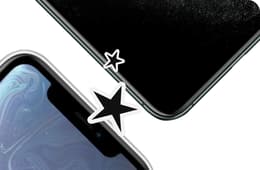
  • Display Technology: The Galaxy Z Flip7 features a flexible OLED main panel alongside an expanded outer cover screen for quick interactions, while the iPhone 16e utilizes a standard flat OLED screen with traditional notch framing.
  • Brightness and Clarity: Both screens deliver sharp text reproduction and sufficient outdoor brightness levels to maintain visibility under direct sunlight.
  • Refresh Rates: The Galaxy Z Flip7 incorporates a high refresh rate panel for smooth scrolling animations, whereas the iPhone 16e employs a standard refresh rate configuration.

Resolution

1080x2520

2532x1170

Audiovisual

Media capture systems on both smartphones provide versatile tools for everyday photography, video recording, and casual communication.

  • Photography Output: Both units produce clear, balanced images in daylight conditions, handling low-light environments effectively through automated image processing software.
  • Video Recording: Each device supports high-resolution video capture with built-in stabilization features to minimize hand shake during movement.
  • Audio and Media: Built-in stereo speaker systems deliver clear sound output for hands-free calls, podcasts, and casual video viewing.

Front camera

10 megapixels

TrueDepth 12MP

Miscellaneous

Practical daily usability elements shape how each device fits into travel, work, and communication routines.

  • Connectivity Standards: Both smartphones support modern 5G cellular networks, high-speed Wi-Fi protocols, and Bluetooth accessories for reliable wireless pairing.
  • Physical Ports: The iPhone 16e utilizes a universal USB-C connection for charging and data transfer, while the Galaxy Z Flip7 also relies on USB-C alongside its folding chassis design.
  • Form Factor and Handling: The Galaxy Z Flip7 folds into a compact square that slips easily into smaller pockets, whereas the iPhone 16e offers a slim, lightweight traditional profile that sits comfortably in one hand.

Weight

188 g

167 g

Screen size (in)

6.9

6.1

Network

5G

5G

SIM card

Physical SIM + eSIM

Physical SIM + eSIM

Carrier compatibility

Unlocked

Unlocked

Connector

USB-C

USB-C

What the community thinks

User discussions frequently highlight the Galaxy Z Flip7 for its compact pocket-friendly folded size and versatile cover screen utility, though some users note that the folding crease remains visible under certain lighting conditions. Conversely, the iPhone 16e receives praise for its reliable battery longevity and seamless integration within the Apple software ecosystem, with some users observing that its traditional display notch feels less modern compared to newer cutout designs.

Users prioritizing compact pocket storage, multitasking flexibility, and innovative display layouts may prefer the Galaxy Z Flip7. Meanwhile, users who value a traditional slate feel, straightforward software navigation, and long battery endurance will find the iPhone 16e well-suited to their daily routines. Exploring a quality-assured refurbished option provides a sustainable, eco-friendly alternative for acquiring either device while reducing electronic waste. Ultimately, the choice depends entirely on whether a folding or traditional smartphone format best supports your daily workflow.